

Spotting worms in dog poop can alarm any pet owner, but quick detection saves lives. Talent Dogs, experts in canine health and training, shares this simple guide to help you identify and handle intestinal parasites fast.
Why Worms Matter for Dogs
Intestinal worms harm dogs by stealing nutrients and causing illness. Common types include roundworms, tapeworms, hookworms, and whipworms, which spread through soil, fleas, or mother-to-puppy transmission. In 2025, ESCCAP guidelines stress year-round prevention due to rising cases in urban areas. Early spotting prevents weight loss, anemia, and worse issues.
Puppies face higher risks as they carry worms from birth. Adult dogs pick them up from parks or raw food. Zoonotic worms like Toxocara canis pose human risks, especially to kids. Talent Dogs urges owners to check poop weekly for signs.
Spotting Worms in Dog Poop
Look for odd shapes in fresh stool. Roundworms appear as spaghetti-like strands, up to 18 cm long, often in heavy loads. Tapeworm segments resemble rice grains or sesame seeds, moving slightly when fresh. Whipworms show as thin threads with a thick end, while hookworms are tiny and hard to see without magnification.
Worms in dog poop signal active infection. Collect samples in a clean bag right away. Avoid touching with your bare hands to prevent the spread. Note color changes like blood or mucus, familiar with hookworms.
Other Signs of Worm Trouble
Beyond worms in dog poop, watch for diarrhea, vomiting, or a pot-bellied look in pups. Dogs may scoot their rear on floors from anal itch or show pale gums from blood loss. Lethargy, poor coat, and cough hint at migrating larvae.

Heavy loads cause stunted growth and dehydration. In 2025 updates, vets note seasonal spikes in summer from outdoor play. Talent Dogs trainers spot these during sessions, as active dogs slow down fast.
Types of Worms: Quick ID Table
Use this table from Talent Dogs to match what you see in poop. It covers looks, risks, and basics based on 2025 vet data.
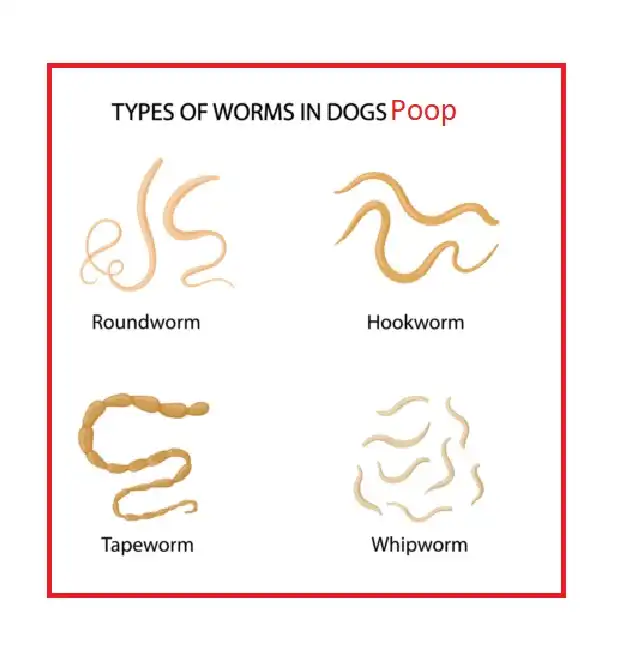
| Worm Type | Appearance in Poop | Length/Size | Key Risks | Common in Pups? |
| Roundworms | Spaghetti strands, white/yellow | 7-18 cm | Malnutrition, zoonotic | Yes |
| Tapeworms | Rice grains or flat segments | 0.5-1.5 cm segments | Weight loss, anal itch | No |
| Hookworms | Tiny threads, often invisible | 1-2 cm | Anemia, bloody stool | Yes |
| Whipworms | Thin string, one fat end | 3-5 cm | Chronic diarrhea | Rare |
How Vets Confirm Worms
Take poop to a vet within 24 hours. They use fecal flotation to float eggs for a microscope check or antigen tests for accuracy. Two thousand twenty-five advances include PCR for multiple parasites at once. No eggs? Retest, as shedding varies.
Talent Dogs recommends fresh samples over old ones. Vets rule out Giardia or coccidia, too. Cost? Basic tests run low, but early action saves money long-term.
Treatment Steps in 2025
Vets prescribe broad-spectrum dewormers like fenbendazole at 50 mg/kg for 3 days. It kills roundworms, hookworms, and whipworms safely. Praziquantel targets tapeworms; combine for full coverage. Treat all household pets and clean yards.
Follow-up fecal tests 2-4 weeks later confirm clearance. In 2025, ESCCAP pushes monthly checks for high-risk dogs. Avoid over-the-counter meds without advice; doses matter by weight.
Prevention: Talent Dogs Plan
Deworm puppies every 2 weeks to 12 weeks, then monthly to 6 months, and quarterly after. Adults get treatments 4 times yearly per CAPC. Use flea control to block tapeworms.
Clean poop daily, wash bowls, and avoid raw meat. Heartworm meds often cover intestinal worms, too. Talent Dogs integrates checks into training: healthy dogs perform best.
2025 Updates on Worm Control
New ESCCAP guidelines (v21, 2025) expand to lungworms and Echinococcus in endemic areas. Fenbendazole stays top choice, safe even for pregnant dogs. UK studies show regular deworming cuts infections 80%. Test twice yearly for vectors like mosquitoes.
Talent Dogs notes agile breeds like Weimaraners need strict plans for peak performance.[talentdogs.com] PCR tests now detect pre-patent stages early.
Home Detection Tips from Talent Dogs
Snap clear photos of suspicious poop for vets. Use a flashlight for segments at night. Train dogs to poop in one spot for easy checks. If no worms show but symptoms persist, test anyway—microscopic eggs hide.
Track weight and energy weekly. Talent Dogs owners report fewer issues with routine logs.
When to Rush to the Vet
See worms in dog poop? Go same day for pups or weak dogs. Bloody stool, collapse, or no eating needs emergency care. Delays risk organ damage or spread.
Keep Your Dog Thriving
Armed with this guide, spot worms in dog poop early and act. Talent Dogs blends health with talent training for top canine stars. Stay vigilant—your pup deserves a worm-free life. Regular checks and prevention build strong bonds and peak performance.
For More Details, Visit Talent Dogs
Leave a Reply