
Introduction
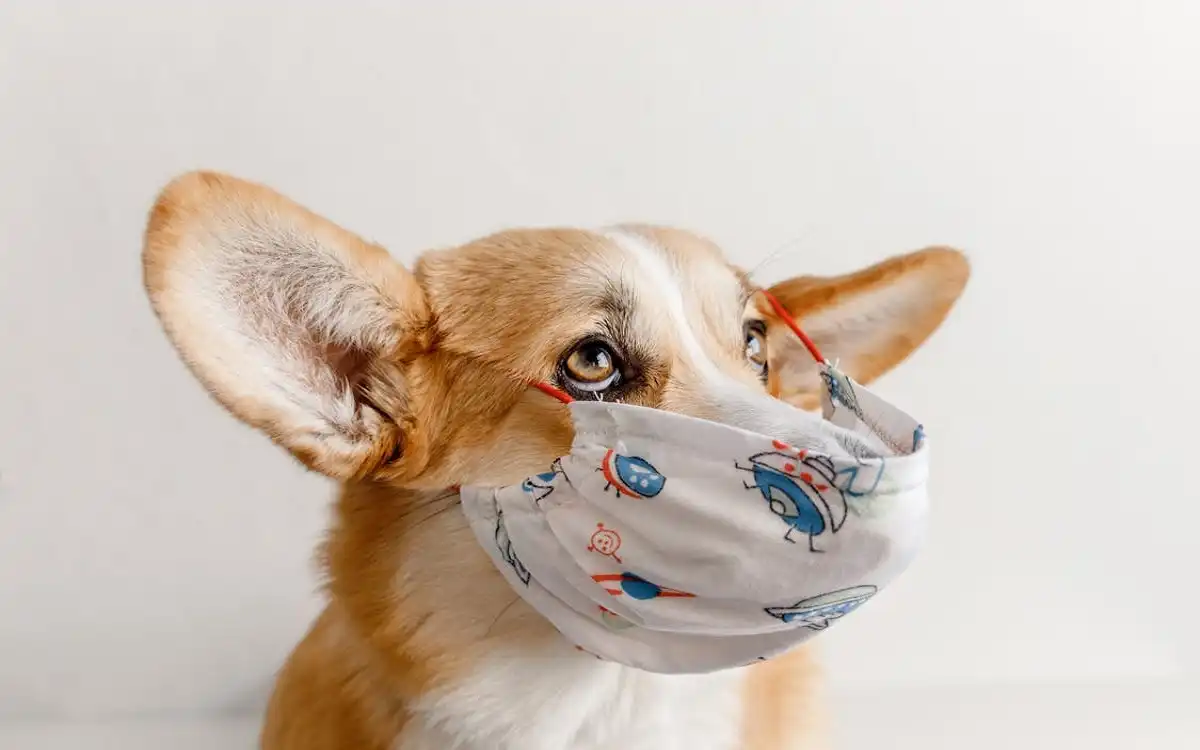
The years from 2020 to 2025 brought unprecedented changes to our daily lives. The pandemic affected not only humans but also our four-legged companions. Many dog owners observed shifts in their pets’ dog behavior pandemic that were closely linked to the disruptions in routine, social interaction, and environmental changes brought on by lockdowns and restrictions.
The Talent Dogs and team share the information about how the prolonged pandemic period impacted dog behavior, sheds light on the causes behind these changes, and offers practical solutions for dog owners to help their pets adapt and thrive in the post-pandemic world. The focus keyword throughout this discussion is “dog behavior pandemic,” reflecting how these years shaped our canine friends’ emotional and behavioral landscapes.
How the Pandemic Changed Dog Behavior
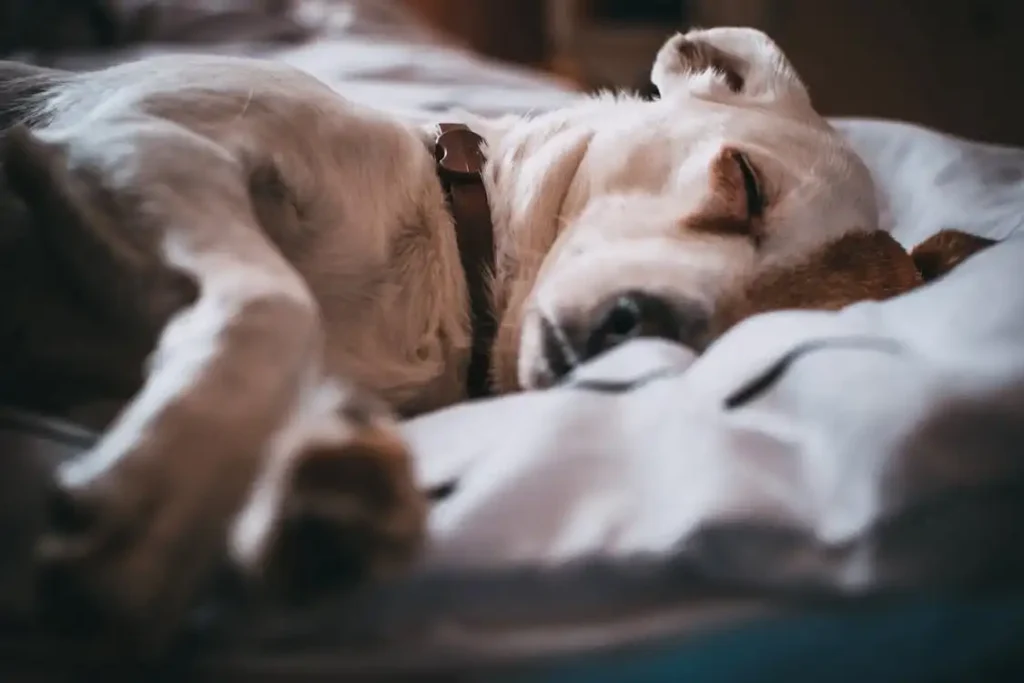
Several studies from 2023 to 2025 have reported significant behavioral changes in dogs during the pandemic years. The following are some of the key behavioral shifts observed:
Increased Attachment and Separation Anxiety
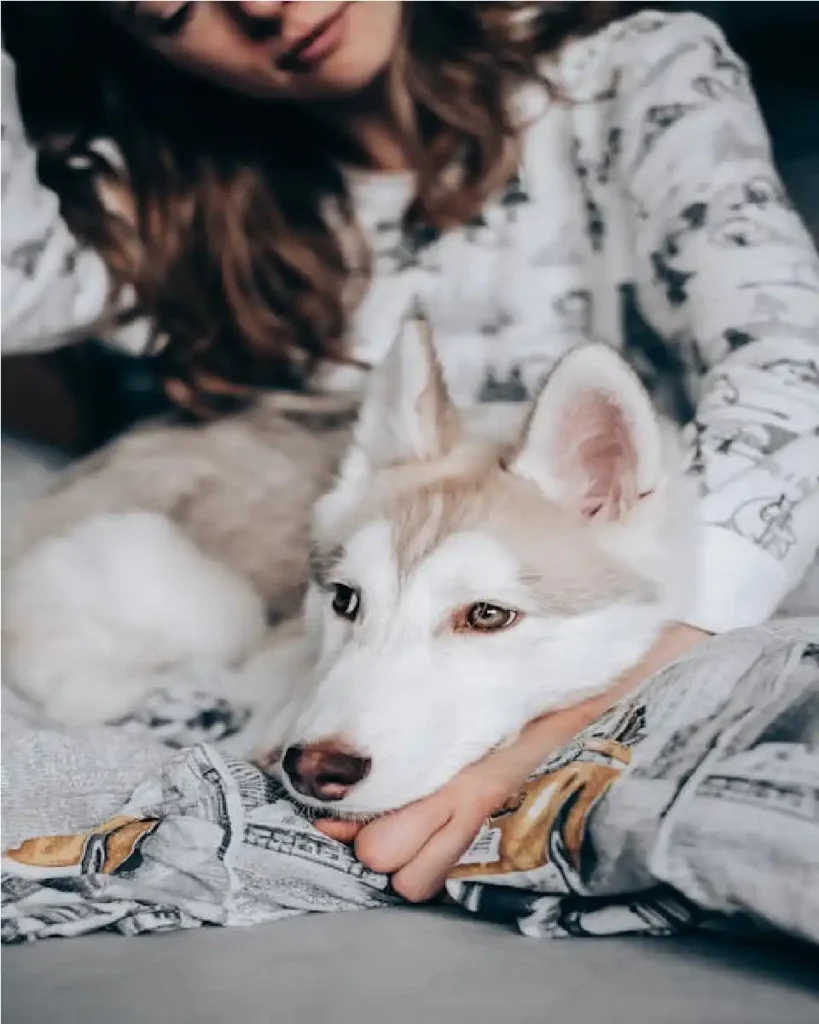
With more people working from home and spending extended time indoors in 2020-2021, many dogs experienced increased attachment to their owners. While this initially seemed positive, the downside became apparent as restrictions eased and routines changed. Dogs struggled with separation anxiety because they were unaccustomed to being alone after months of constant companionship.

Changes in Socialization and Fear Responses
The pandemic restrictions led to reduced social interactions—not only for humans but for dogs. Puppies and adult dogs had fewer opportunities to meet strangers, other dogs, or experience new environments. This limited socialization contributed to increased fearfulness or aggression in some dogs toward unfamiliar people and animals once normal activities resumed.
Altered Training and Behavior Patterns
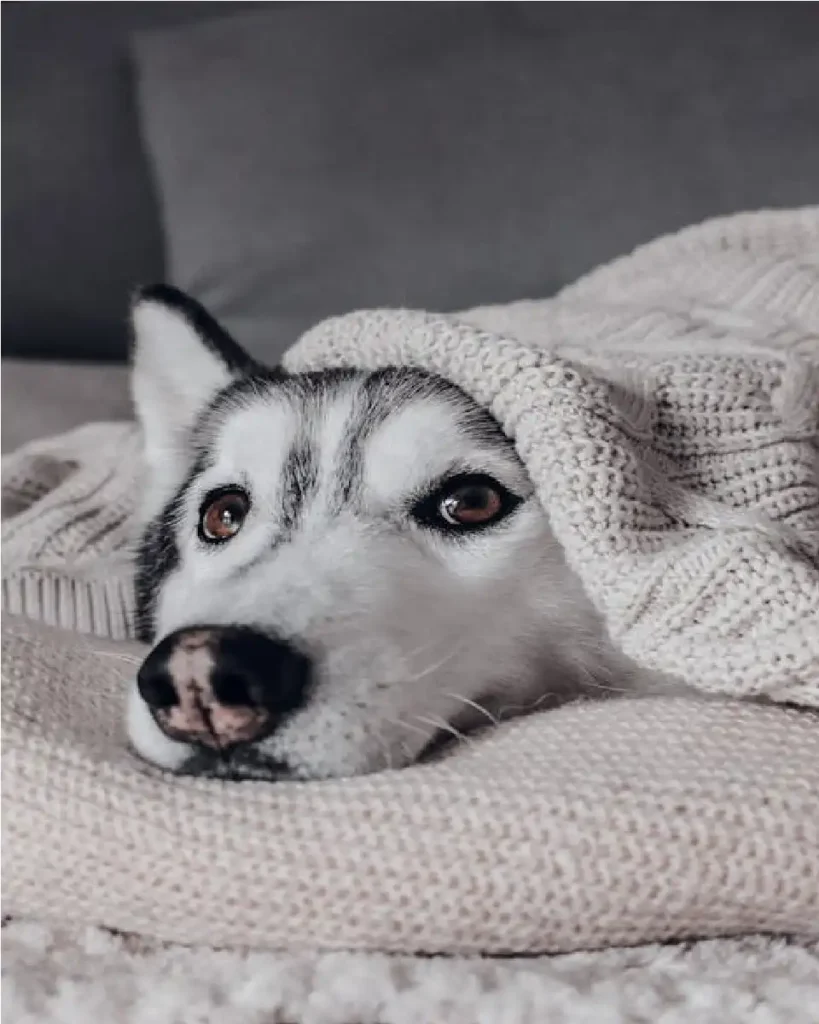
Routine disruptions impacted training consistency. Many owners reported that their dogs became less responsive to commands during the pandemic, likely due to irregular training sessions or distractions in the home. On the flip side, some dogs became more trainable with increased consistent one-on-one interaction during lockdowns.
Attention-Seeking and Behavioral Issues
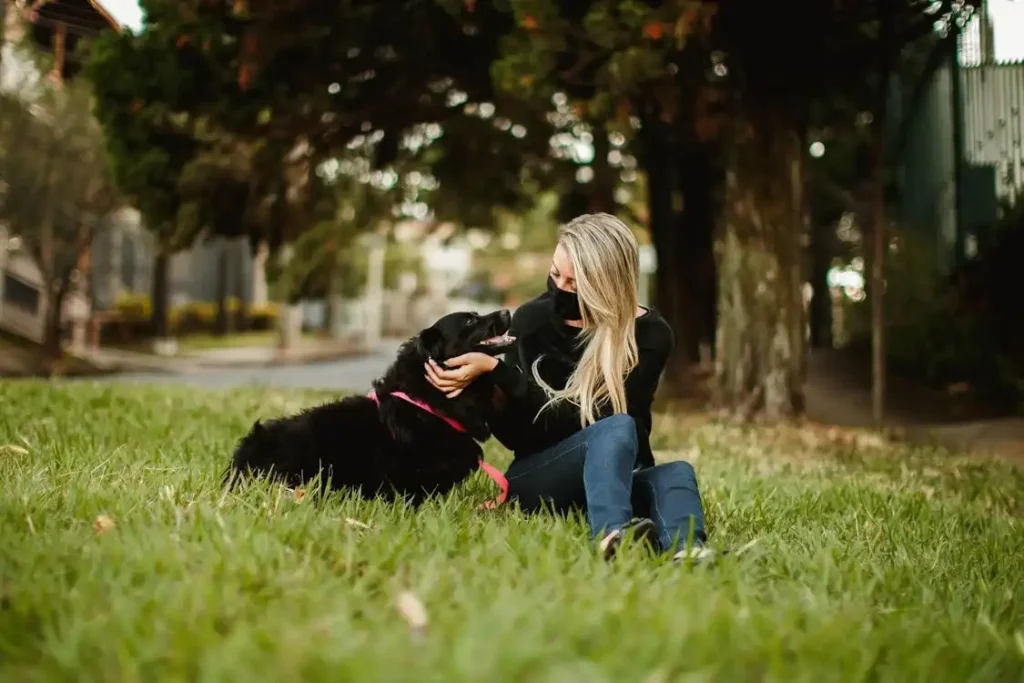
Behavioral problems like excessive barking, chewing, and restlessness were noted to have increased during lockdowns. Dogs appeared to seek extra attention to compensate for the lack of external stimulation and disrupted daily exercise routines.
Common Dog Behavior Changes During the Pandemic

| Behavior Change | Description | Likely Cause | Owner Impact |
| Increased Attachment | Dogs cling to owners, follow everywhere | More owner presence at home | Separation anxiety post-pandemic |
| Separation Anxiety | Distress when left alone | Sudden absence of usual owner time | Barking, destructive behavior |
| Reduced Socialization | Fear or aggression toward strangers or dogs | Less exposure to new environments | Difficulty in resuming walks or social outings |
| Training Challenges | Less responsive to commands | Interrupted training routines | Need for retraining and consistency |
| Attention-Seeking | Barking, chewing, restlessness | Boredom, lack of exercise or mental stimulation | Strain on owner patience |
| Improved Trainability | Higher attention during lockdowns | More focused time with owners | Opportunity for positive behavior reinforcement |
Insights from Experts and Research
Research published in 2025 highlights that the “dog behavior pandemic” affected species differently based on breed, age, and owner lifestyle. For example, puppies adopted during lockdowns faced unique challenges in socialization but often showed faster adaptability with early intervention. Veterinarians and dog behaviorists stress the importance of gradual exposure to stimuli and rebuilding routine to normalize behavior.

Studies also show that dogs’ emotional wellbeing is closely tied to their owner’s mental state. The pandemic stress experienced by humans often translated into heightened anxiety in pets, highlighting the need for holistic health approaches addressing both owner and pet needs.
Practical Solutions for Dog Owners
Helping dogs adjust to post-pandemic life requires patience and the right strategies. Here are some actionable solutions:
Gradual Re-Socialization
Reintroduce your dog to social interactions slowly. Arrange controlled meetings with familiar dogs and people, gradually increasing the variety of encounters. Use positive reinforcement to reward calm and sociable behavior.
Consistent Routine and Training
Re-establish a daily routine that includes regular feeding, exercise, training, and rest. Consistency helps dogs feel secure. Refresh obedience training using short, frequent sessions. Seek professional help if regression is severe.
Manage Separation Anxiety
If your dog shows signs of distress when left alone, practice short departures gradually increasing duration. Use toys and chews that engage your dog’s attention during absences. Consider calming aids recommended by vets if necessary.
Increase Physical and Mental Stimulation
Provide ample exercise suited to your dog’s breed and age. Incorporate puzzle toys, scent games, and interactive play to keep their mind active. This helps reduce undesirable attention-seeking behaviors.
Monitor Health and Behavior
Keep regular vet check-ups to rule out health issues affecting behavior. Monitor changes in mood or activity to catch early signs of anxiety or aggression.
Finally
The “dog behavior pandemic” phenomenon has shown how deeply intertwined the lives of dogs and their owners are. From increased attachment and separation anxiety to challenges in socialization and training, the pandemic period brought unique behavioral shifts. With understanding, patience, and targeted strategies, dog owners can support their pets in navigating the return to normalcy, ensuring healthier, happier relationships for years to come.
Owners are encouraged to use the insights and practical solutions shared here as a foundation for nurturing resilience in their dogs, transforming pandemic challenges into growth opportunities.
For More Details Visit Talent Dogs
Leave a Reply