
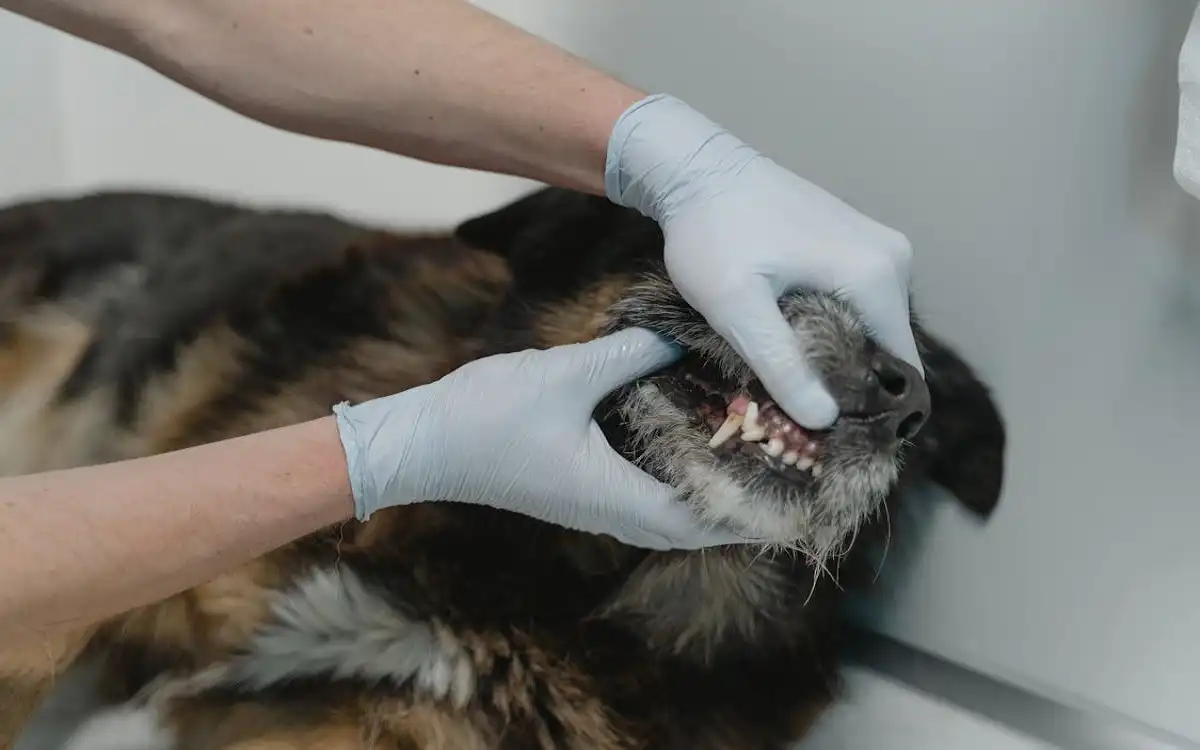
Similar to humans, How Many Teeth Do Dogs Have? experience several distinct phases of tooth and dental development, with the primary difference being the overall number of teeth at N development stage. This article offers insight around the total number of teeth for dogs, and more specific stages of growth, how to properly maintain and care for the teeth, and how to identify dental care issues.
Leaving the Breeder Stage (0-6 Months)
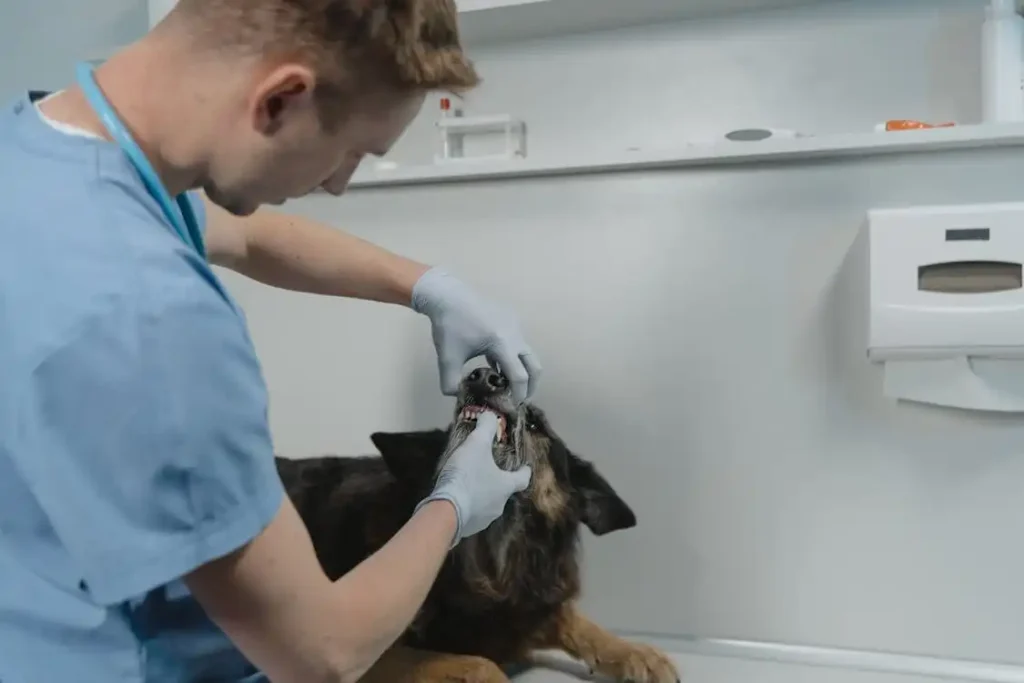
All puppies begin life with no teeth to protect their mother; however, around 3-4 weeks, they begin to have their first temperorary 28 teeth begin to erupt. Premolar, milk bud teeth, and canine teeth begin to erupt between 8 weeks of age and, due to extreme chewing and loose teeth, are able to erode and evacuate the mouth are during the growth of the total number of 42 permanent teeth.
Age of Grown (6-12 Months)
How Many Teeth Do Dogs Have ? puppies begin to have their baby (milk) teeth progressively replaced by permanent, row adult teeth. The age development is not primary to their breed size, however, the first adult teeth are indentified within the row of permanent lower incisors are to erupt around 5. 5-7 months is the age range for the permanent teeth.
By the time they are around 6-7 months old, most dogs will have all 42 of their permanent, adult teeth: 20 in the maxilla (the upper jaw) and 22 in the mandible (the lower jaw). The maturation over this time is more rapid than in children, explaining the speed of this developmental stage.

During this stage of development, owners may notice signs of teeth eruption, such as loose teeth and spots of blood. Abscessed or retained puppy teeth are more common with small breed dogs (i.e., toy breeds) and should be removed by a veterinarian due to the crowding that may occur. By 12 months of age, Talent Dogs should have all permanent teeth fully erupted, as this is the time they are able to eat harder foods.
How Many Teeth Do Dogs Have? Dental Development (1-7 Years)
Adult dogs have all 42 teeth at this age, while adult humans only have 32. The types of teeth dogs have and their functions are as follows: 12 incisors (6 upper, 6 lower) for nibbling and grooming, 4 canines for puncturing prey, 16 premolars (8 on each jaw) for shearing, and 10 molars (4 upper, 6 lower) for crushing. Unlike humans, dogs do not have wisdom teeth.
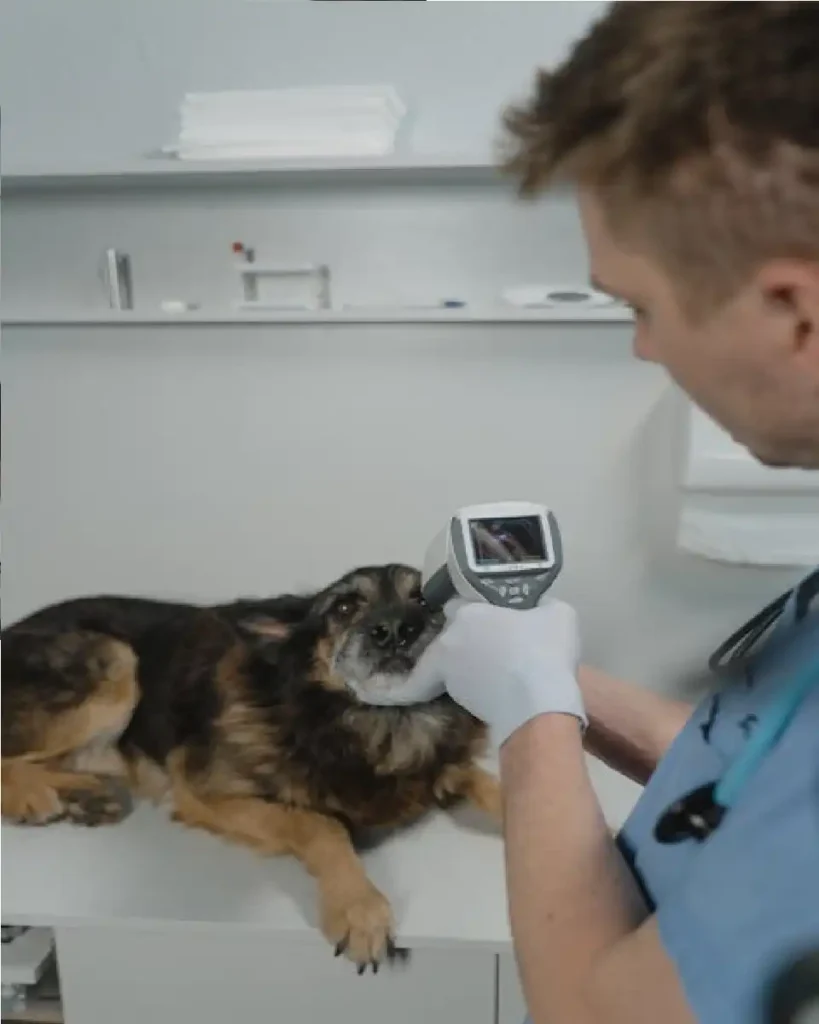
This 42 count is true for all breeds of dogs, ranging from small breeds (e.g., Chihuahuas) to large breeds (e.g., Great Danes). While their teeth are designed to eat bones, toys, and kibble, they also require dental care to prevent plaque buildup.
| Age Group | Total Teeth | Upper Jaw | Lower Jaw | Key Types Erupting |
| Newborn | 0 | 0 | 0 | None |
| 3-8 Weeks | 28 (baby) | 14 | 14 | Incisors, Canines, Premolars |
| 3-7 Months | Transition | Varies | Varies | Permanent replacing baby |
| 6-12 Months | 42 (adult) | 20 | 22 | Molars complete |
| Senior (7+) | 42 (if healthy) | 20 | 22 | Wear common |
Senior Dogs and Tooth Changes (7+ Years)
Senior dogs are expected to keep all 42 teeth as long as they are healthy. However, common issues are wear, periodontal disease, and tartar buildup leading to tooth loss.
Dogs over the age of three are prone to periodontal disease; 80% of dogs within this demographic face these issues; the impact becomes greater with age, as plaque turns to tartar. Smal dog breeds have an especially tough go of it; trauma fromchewing on hard things or decaying teeth quickens wearing.
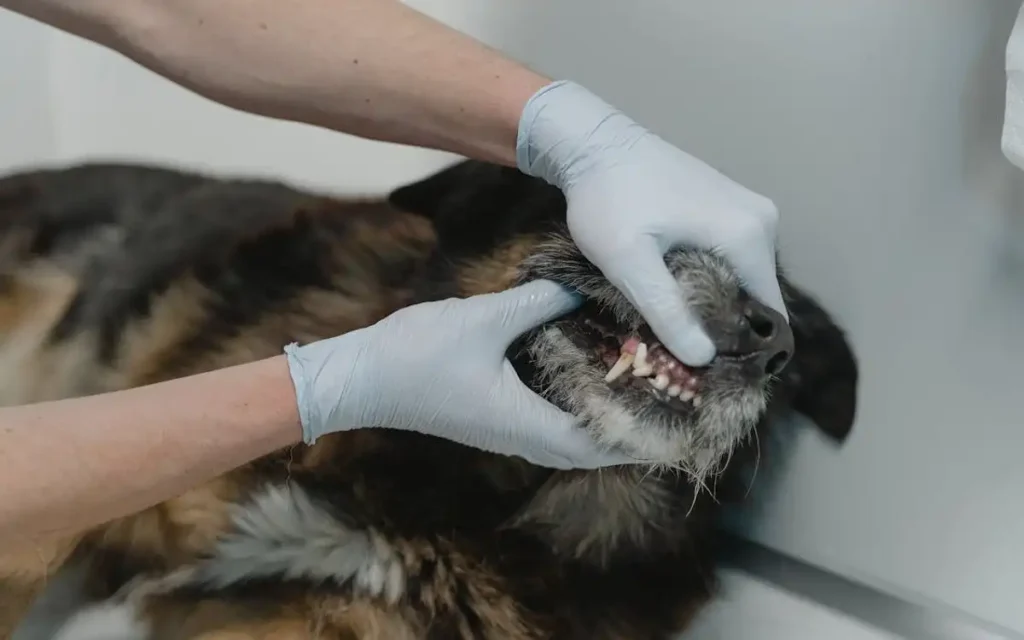
The importance of consistent vet visits cannot be How Many Teeth Do Dogs Have? Attending the vet is the only way to accurately assess the presence of ie cracks or abscesses; dogs without sches can be transitioned to softer diets. Nevertheless, consulting a vet to establish a dental plan is optimal.
Updates from 2025 indicate an emerging consensus on scheduled dental cleanings. Specifically, the medical community is advocating for annual dental appointments for older dogs to improve the overall quality of their health, as there is a profound correlation between the health of a dog’s teeth and the health of the dog’s heart and kidneys.
Dogs have a variety of teeth with different purposes. Incisors for grabbing, grooming, and biting. The canines are responsible for tearing and holding onto whatever they are chewing, also infamously dubbed the “fangs”. The premolars cut through softer meat while the molars grind more fibrous food for easier digestion.
All of these teeth, which are quite rugged, are meant for a dog’s original carnivorous Neolithic Dog Teeth, but now canines have an adapted diet to dry dog food.
Dental health starts with the dog owners. Brushing teeth can be made fun with dog-safe toothpaste. Never use human toothpaste; the xylitol in it is deadly for dogs. Clinical vet-approved dental chews are effective at managing plaque. Older dogs can benefit from additives for their water.
Annual veterinary check-ups detect issues while cleanings get rid of tartar. Pay attention to bad breath, excess drooling, or excessive pawing of the mouth.
Other at-home checks include: checking by lifting each lip weekly to see if gums are red or if there is dark brown accumulation around the gum line. Also, diet is important: dry food is more effective at cleaning the teeth than wet food. Following these steps will help keep all of the teeth (42 of them) shining throughout their life.
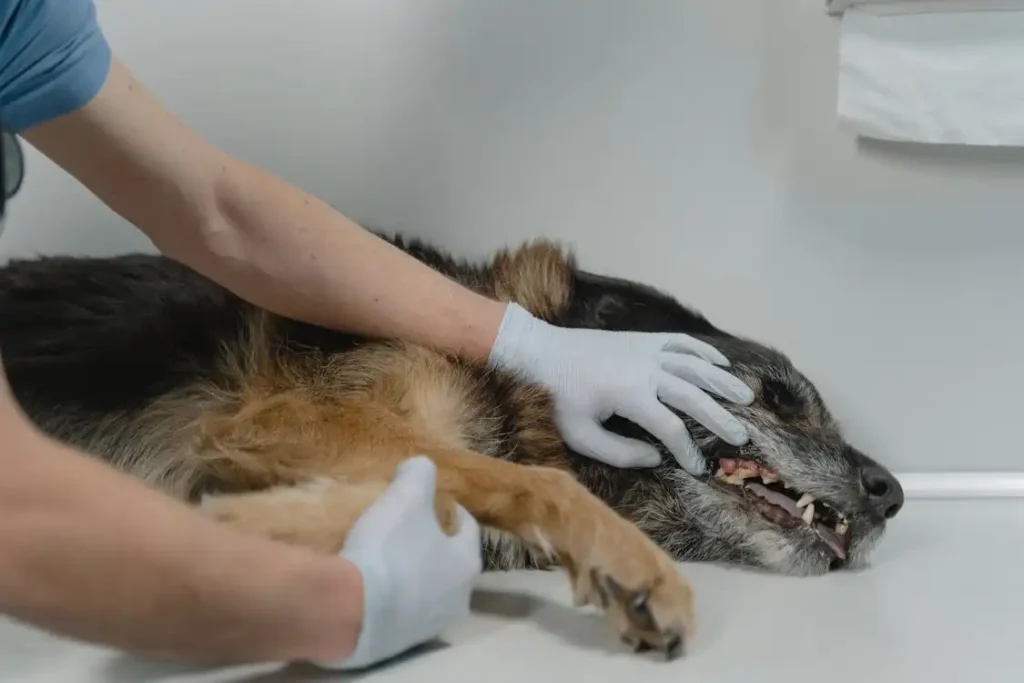
Signs of Dental Problems
How Many Teeth Do Dogs Have? normal puppy loss, any loss of adult teeth means something is wrong such as severe fractures or infection issues. Loose teeth, pus, and swelling of the gums presents an emergency situation to get help while avoiding bacterial infection spread throughout the body. Bad breath is not normal.
Pawing at the mouth and rubbing the face are signs of pain. Damage control is time sensitive.
Finally
Puppies are born with no teeth,”How Many Teeth Do Dogs Have” and as they age their adult teeth will total to 42. Dogs typically follow the same teeth growth. Track these milestones and the care routine to celebrate a healthy smile. Consult a vet with any concerns.
More info to visit to Talent Dogs
Leave a Reply