
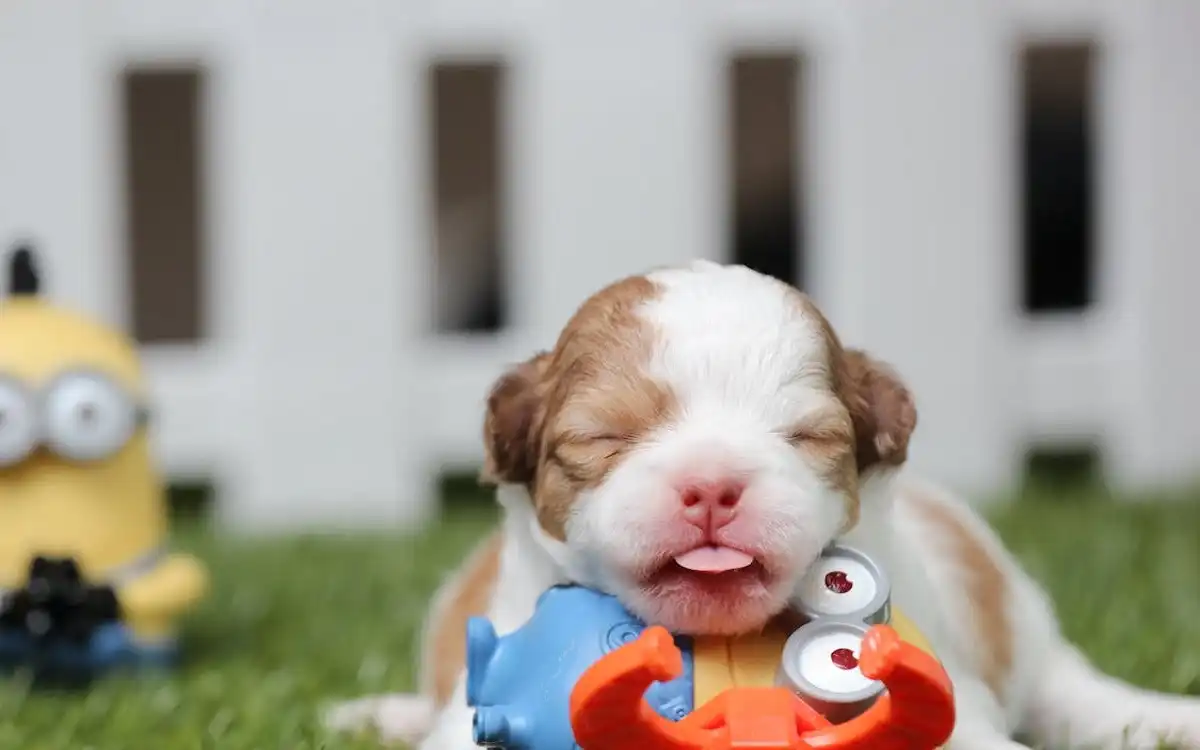
Dogs love their Toys, but sometimes this love turns into something much more serious. In 2025, new research confirms that some dogs can develop behaviors similar to human addiction when it comes to their favorite dog Toys.
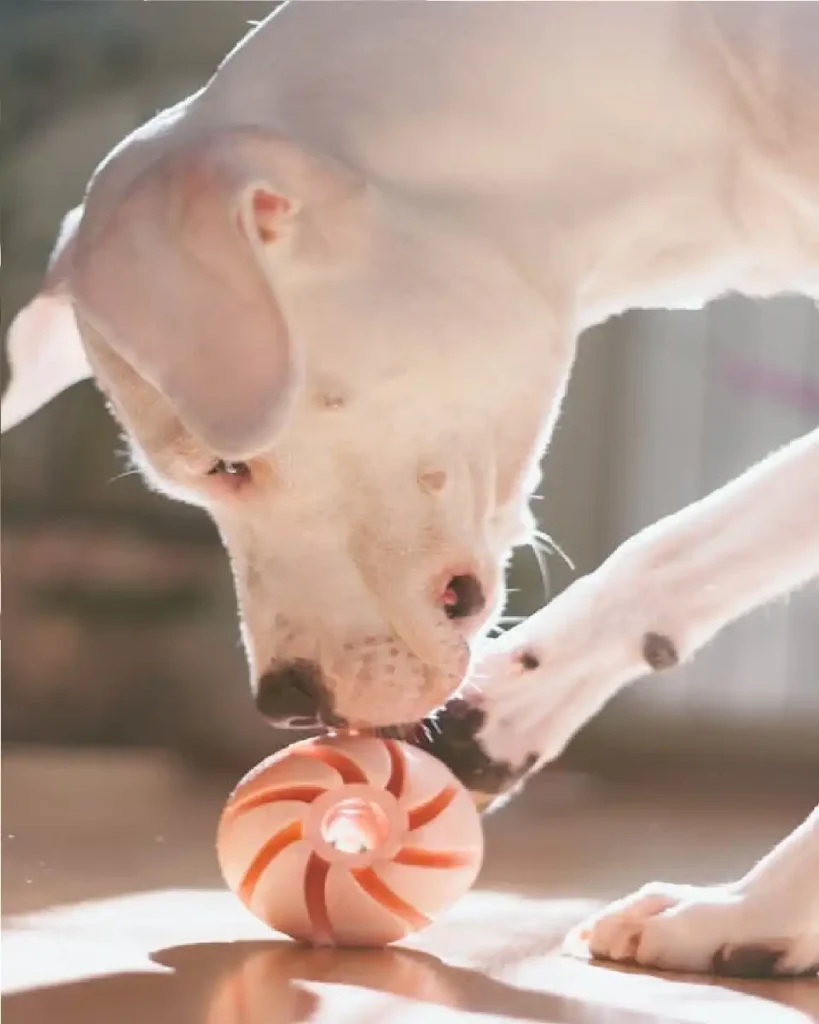
These behaviors can affect their health, happiness, and even their relationships with their owners. This article explores the latest findings on dog Toys addiction, how to spot the signs, and what you can do to help your pet live a balanced, joyful life.
What Is Dog Toys Addiction?
Dog Toys addiction is not just a cute term for a dog who loves their Toys. It’s a real behavioral issue where dogs become compulsively focused on certain Toys, often to the point where it disrupts their normal routines and well-being.
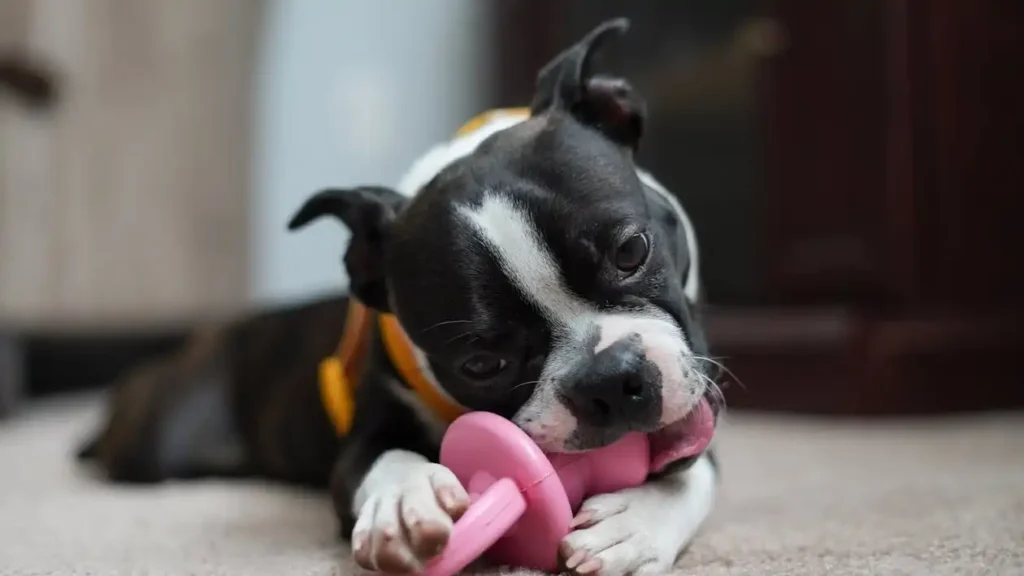
Scientists have found that some dogs display behaviors like compulsive seeking, loss of self-control, and prolonged agitation when their Toys are taken away. This is especially common in working breeds like Border Collies and German Shepherds, who were bred for high drive and focus.
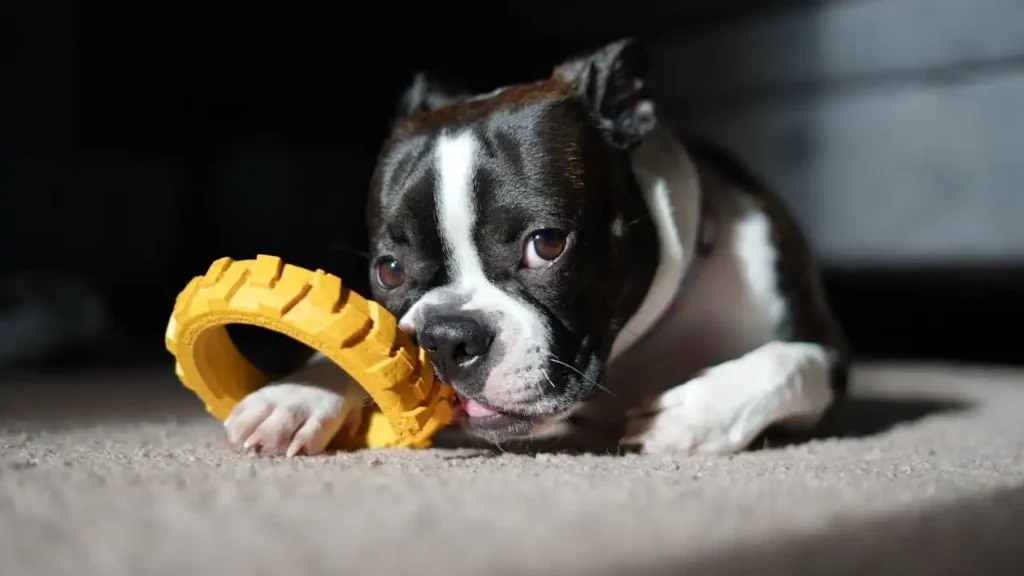
Signs of Dog Toys Addiction in 2025
The latest research identifies several clear signs that your dog may be struggling with Toys addiction.
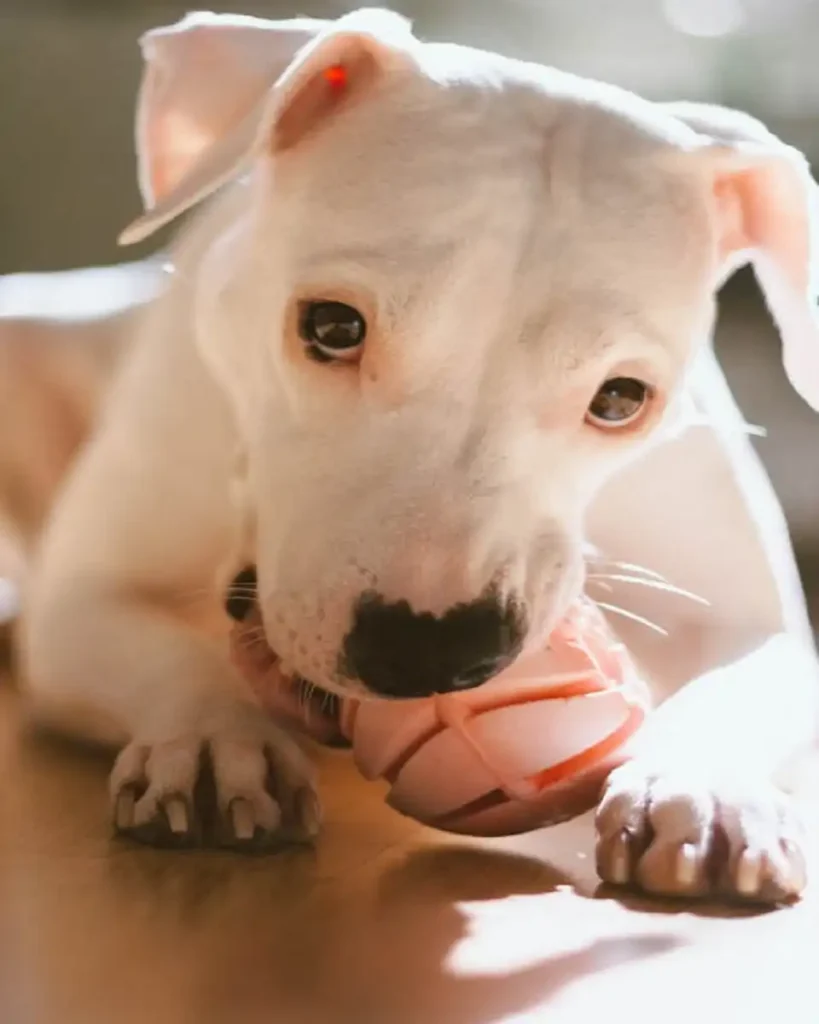
These include:
| Sign | 2025 Update |
| Compulsive Toys seeking | Observed in 31% of studied dogs |
| Ignores food/social interaction | Dogs prioritize Toys over food/socializing |
| Prolonged agitation after Toys removal | Stress response lasts 15+ minutes after removal |
| Object fixation | Cannot redirect attention from favorite Toys |
| Loss of self-control | Dogs show little self-control around Toys |
| Guarding/aggression over Toys | Aggression or guarding when Toys is taken |
If your dog shows these behaviors, it may be time to take action. These signs go beyond simple enthusiasm and can indicate a deeper issue that needs attention.
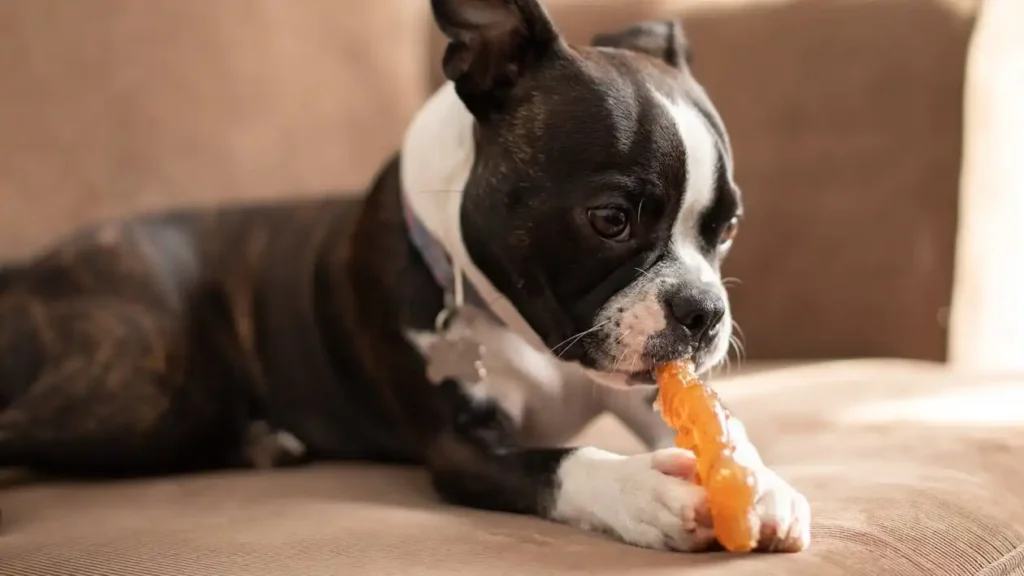
Why Do Dogs Become Addicted to Toys?
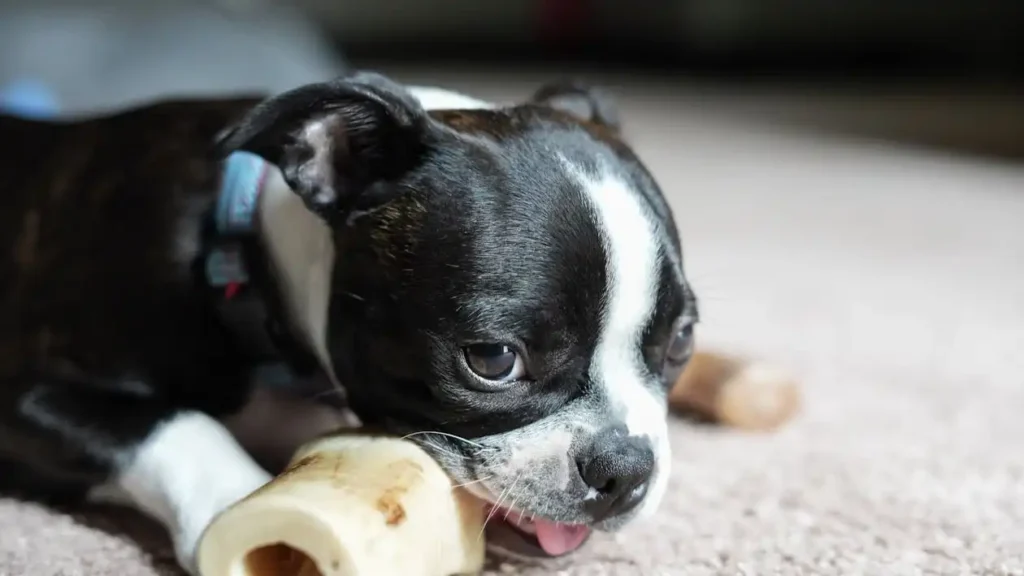
The root of dog Toys addiction often lies in dopamine—the brain’s reward chemical. Just like humans, dogs get a dopamine rush from playing with their favorite Toys, especially when chasing or chewing. Over time, this can create a cycle where the dog seeks out the Toys to get that same feeling again and again. Working breeds, in particular, are prone to this because their natural instincts drive them to focus intensely on specific activities.
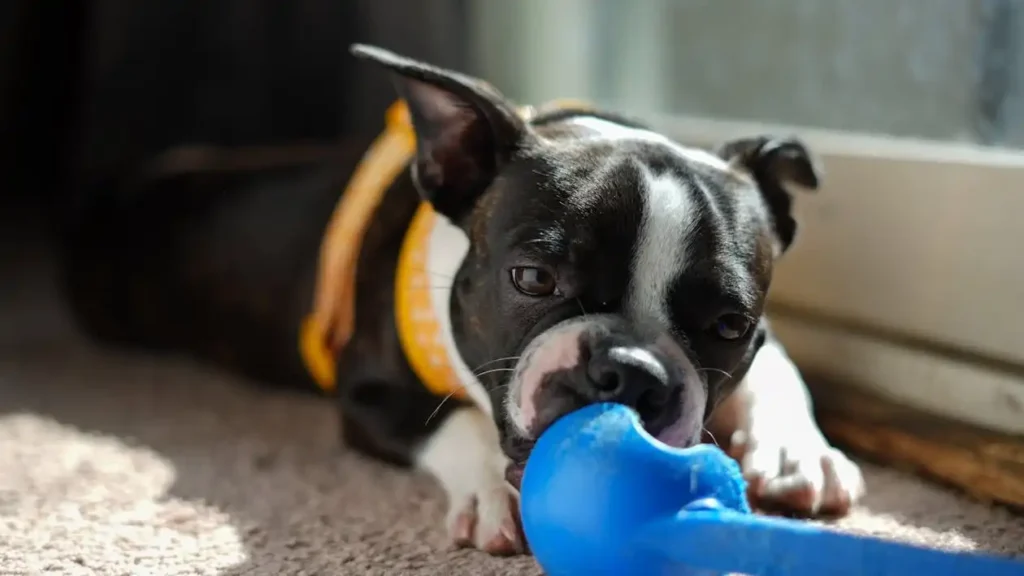
How to Fix Dog Toys Addiction
If your dog is showing signs of Toys addiction, there are several steps you can take to help them find balance:
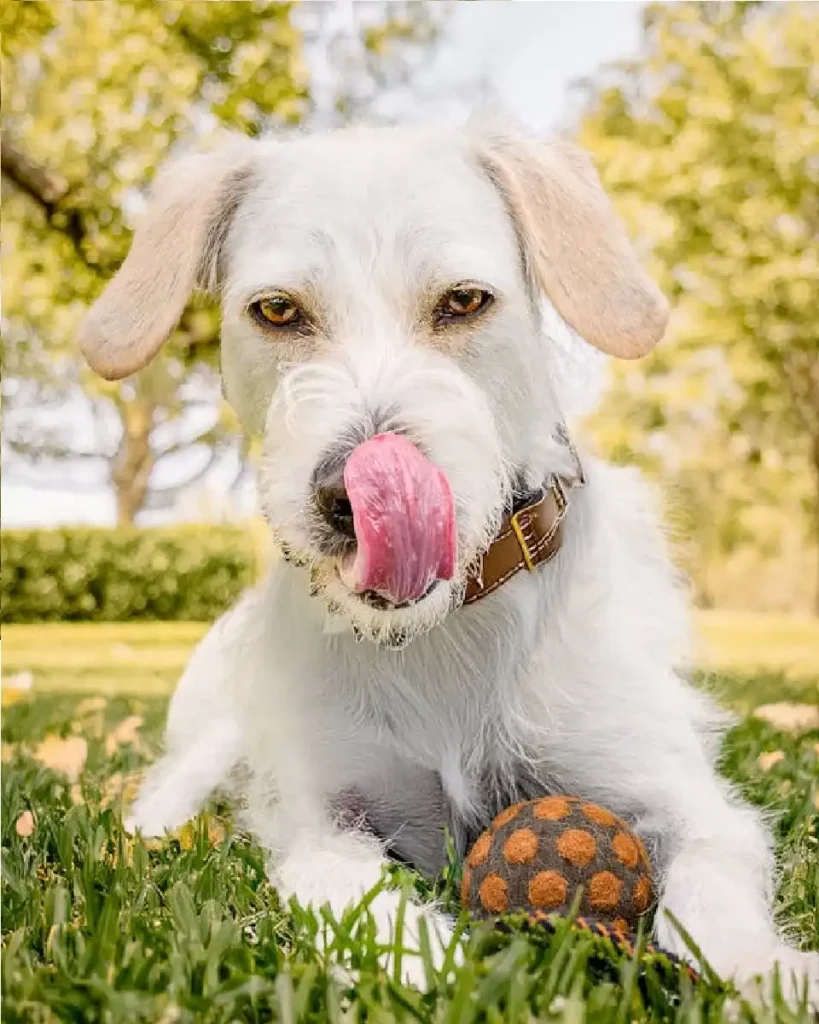
- Rotate Toys Regularly: Keep your dog’s interest fresh by rotating their Toys. This prevents any one Toys from becoming too valuable or central to their routine.
- Add Variety to Playtime: Introduce new types of play, such as tug-of-war, puzzle Toys, or scent games. This helps break the cycle of obsession and gives your dog new outlets for their energy.
- Reward Calm Behavior: When your dog walks away from their favorite Toys or shows self-control, reward them with praise or treats. This reinforces healthy habits.
- Manage Access: Use playpens or baby gates to limit access to the most addictive Toys. This gives your dog time to calm down and reduces the risk of overstimulation.
- Seek Professional Help: If your dog’s behavior is severe or causing distress, consult a professional dog trainer or veterinary behaviorist. They can provide tailored strategies and, if needed, recommend behavioral modification or medication.
Preventing Toys Addiction Early

Prevention is always better than cure. To help your dog avoid developing a Toys addiction, make sure they get plenty of physical and mental stimulation every day. Early structure—including walks, training, and a variety of Toys—can go a long way in keeping your dog balanced and happy. Customizing playtime to your dog’s breed and instincts also helps, as different dogs have different needs.
Finally
Dog Toys addiction is a real issue that can affect your pet’s health and happiness. Thanks to 2025’s latest research, we now have a better understanding of the signs, causes, and solutions.
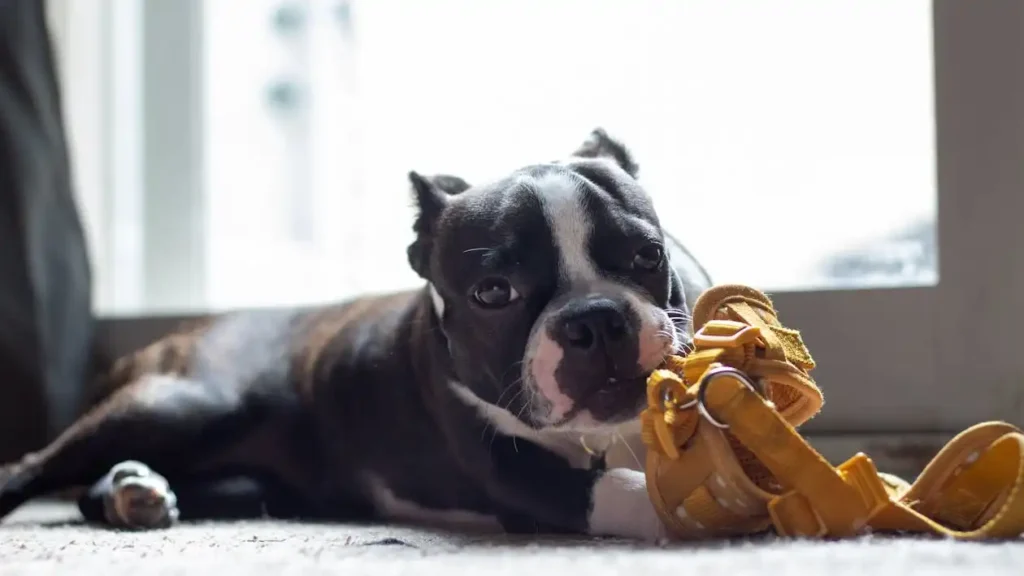
By being observant and proactive, you can help your dog enjoy their Toys in a healthy, balanced way. Remember, a happy dog is a well-rounded dog—one who loves their Toys but doesn’t let them take over their life.
For More Details Visit Talent Dogs
Leave a Reply