

A fishy smell from your dog’s mouth can catch you off guard during playtime or cuddles. Many pet owners search for answers on dog fishy breath, wondering if it’s just diet or something more serious.
Common Causes of Dog Fishy Breath
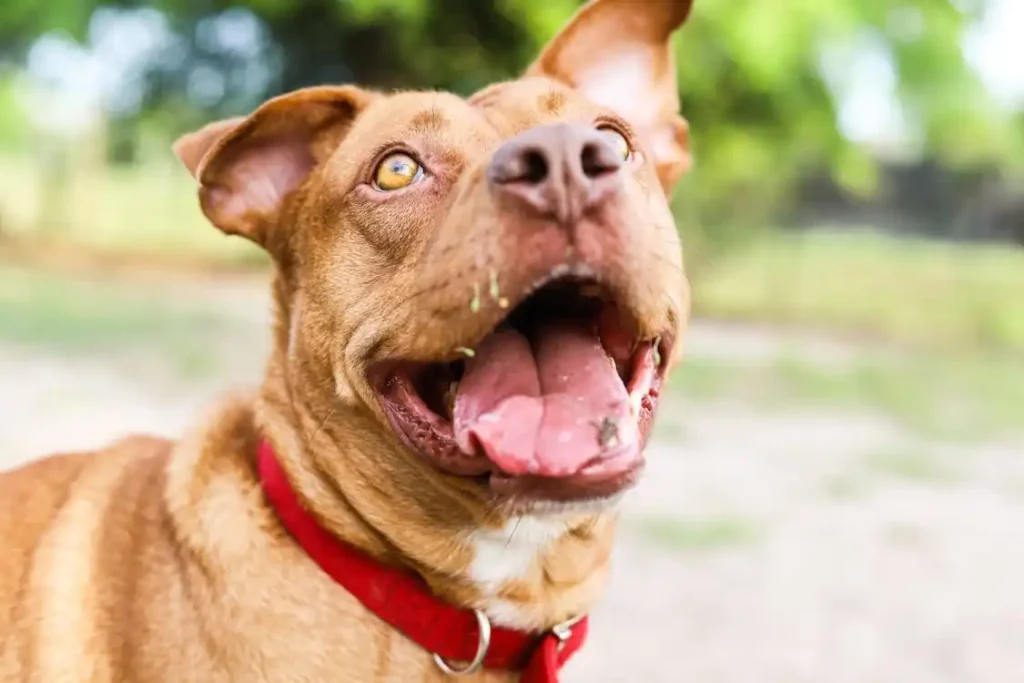
Dog fishy breath often stems from everyday issues like diet or builds up to health concerns. Bacteria in the mouth break down food into smelly compounds, and certain triggers make it smell like fish.
Plaque and tartar on teeth lead to gum disease, where infections release fish-like odors. Dogs lick their lips or chew, spreading the smell further.
Anal gland problems rank high too. These sacs near the rear hold fishy fluid that empties during poop, but if blocked, dogs lick the area and carry the scent to their breath.
Diet plays a role, especially fish-based foods or oils that produce trimethylamine, a fishy gas during digestion.
Health Issues Behind the Smell
Beyond basics, dog fishy breath signals deeper problems. Kidney disease lets toxins build, creating ammonia-like fish odors mixed with breath.
Liver issues or diabetes change breath smells too, often sweet or musty alongside fish notes. Stomach upset like reflux brings acidic fishy tones from gut bacteria.
Dental abscesses or tumors add rotting fish smells from infections under gums. Respiratory infections or even skin yeast can contribute if licked often.
No major 2026 veterinary updates change these causes, but experts stress early checks as in recent guides.
Signs It’s Time for a Vet Visit

Watch for clues beyond dog fishy breath alone. Excessive drooling, red gums, or pawing at the mouth point to dental pain.
Scooting butt on floors or rear licking screams anal gland trouble. Vomiting, weight loss, or more thirst hints at organ issues.
If breath worsens suddenly or pairs with lethargy, book a vet exam fast. They use oral checks, X-rays, and blood tests to pinpoint causes.
| Cause Category | Key Signs | Possible Fixes |
| Dental Disease | Red gums, tartar, drooling | Brushing, pro cleaning |
| Anal Glands | Scooting, rear licking | Vet expression |
| Diet Issues | After fish meals | Switch food |
| Kidney/Liver | Thirst, vomiting | Blood tests, meds |
| Stomach Upset | Gas, loose stools | Probiotics, diet change |
Home Fixes for Fresher Breath
Start simple to tackle dog fishy breath at home. Brush teeth daily with dog-safe enzymatic toothpaste to kill bacteria and cut plaque.
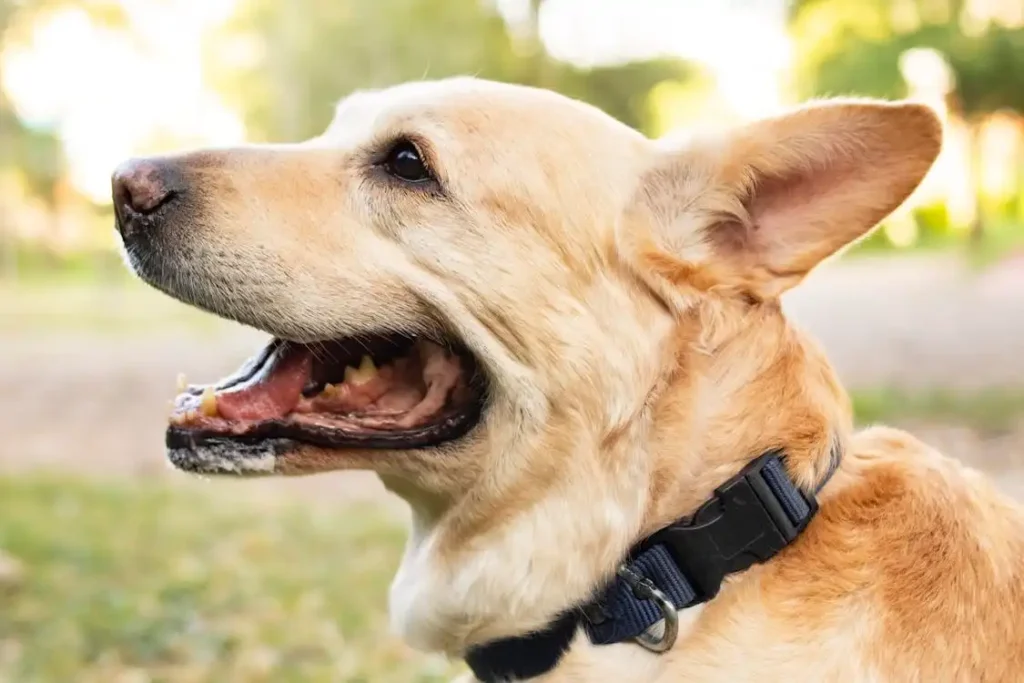
Dental chews or VOHC-approved toys scrape tartar as dogs gnaw. Add water additives that fight bacteria without effort.
Boost gut health with probiotics for better digestion and less fishy gas. Ensure fresh water always to rinse mouth naturally.
Skip fish oils if not needed; opt for balanced kibble. Chew toys keep mouths busy and clean.
Prevention Tips for Long-Term Health
Prevent dog fishy breath with routines from puppy days. Weekly brushing and monthly chew checks stop buildup early.
Annual vet dental cleanings under anesthesia reach hidden spots humans miss. Feed dental diets that scrub teeth during meals.
Track weight and poop habits to spot anal gland needs. Hydrate well and avoid scraps that upset stomachs.
Breeds like small dogs or pugs face higher risks from crowded teeth, so double up on care.
Professional Treatments Explained
Vets scale teeth professionally for deep cleans on dog fishy breath cases. Extractions fix bad teeth, and antibiotics clear infections.
For glands, they express sacs safely or flush abscesses. Systemic issues get tailored meds after tests.
Follow-ups with rinses or special foods maintain gains. Costs vary, but early action saves money long-term.
In 2026, no new breakthroughs noted, but probiotics gain traction for gut-breath links.
Your dog’s breath reflects their health, so act on dog fishy signs promptly. Routine care keeps kisses fresh and your pup happy. Stay vigilant with checkups for best results.
For More Details Visit Talent Dogs
Leave a Reply