

Dachshunds are small dogs with big personalities, known for their courage, curiosity, and loyalty to their family. In 2025, they remain one of the most recognizable small breeds, especially popular with urban owners who want a compact yet active dog. This guide focuses on training, talent development, and up-to-date care so every dachshund owner can support a healthy, well‑behaved “talent dog” at home.
Understanding the Dachshund Temperament
Dachshunds were originally bred to hunt badgers and other small animals, so they are brave, alert, and often very determined. That hunting background explains their strong prey drive, love of digging, and tendency to bark when they sense movement or sounds around the home.
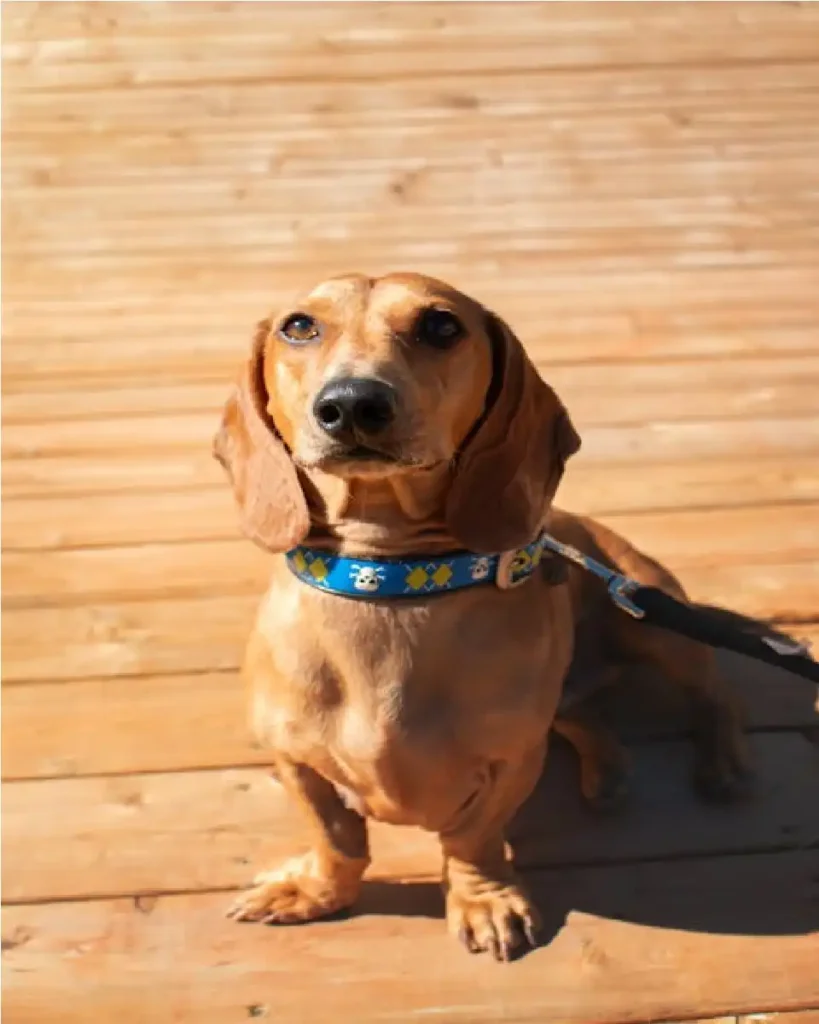
At the same time, dachshunds are sensitive and form deep bonds with their people, which makes harsh training methods a bad match for this breed. They respond best when the owner is calm, consistent, and uses rewards instead of punishment, especially in stimulating environments like busy city streets.
Core Training Principles for 2025
Modern dachshund training in 2025 focuses on force‑free, reward‑based methods that protect the dog’s mental health and trust. Trainers recommend many short training sessions of 5–10 minutes rather than long drills, because small breeds can lose focus quickly.

Positive reinforcement is now standard: treats, praise, toys, and play are used to reward correct behavior instead of relying on corrections or physical pressure. This approach has been shown to reduce anxiety, improve learning speed, and create a more confident dachshund that is willing to cooperate even when distractions are present.
Step‑by‑Step Puppy Training Basics
For a dachshund puppy, the first skills to teach are its name, “sit,” “come,” “stay,” and “down,” all using gentle guidance and rewards. Working on these basic cues early makes later training easier and gives the puppy a clear structure in the home.
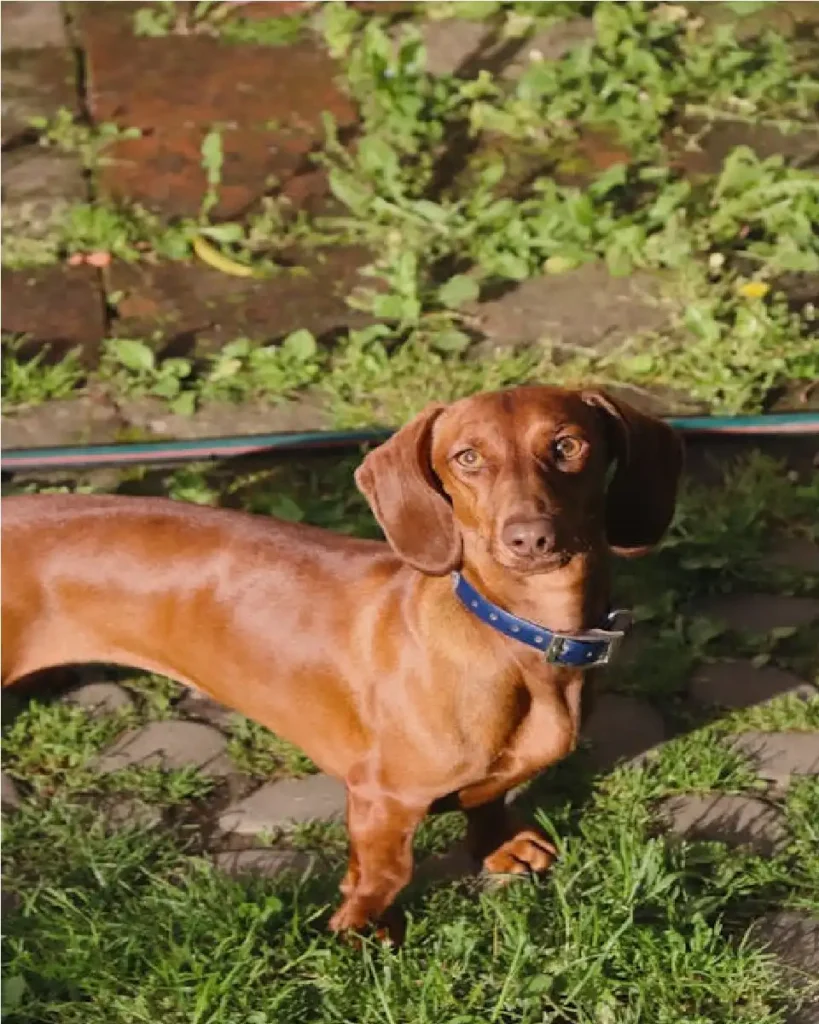
House training should include taking the puppy outside after eating, playing, or waking up, using a clear potty cue word, and rewarding success right away. Crate training can support this process by providing a safe sleeping area and helping prevent accidents when the owner cannot watch the dachshund closely.
Tackling Stubbornness and Selective Listening
Many owners describe their dachshund as “stubborn,” but modern trainers explain that the breed is usually just independent and easily distracted by scents and movement. This means the training plan should focus on making the desired behavior more rewarding than chasing smells or barking at sounds.
To handle selective listening, trainers in 2025 recommend: using high‑value rewards, working in low‑distraction environments at first, and slowly adding more distractions as the dachshund improves. Keeping commands clear and consistent, and not repeating them again and again, helps the dog understand that responding the first time is always worth it.
Leash Manners and Outdoor Safety
Because a dachshund has a strong prey drive, leash training should start early and focus on calm walking and attention to the handler. Using front‑clip harnesses instead of neck collars can help protect the dog’s spine while also making it easier to manage pulling.
Owners should reward the dog for walking by their side and looking back at them, and gently stop or change direction when pulling starts, instead of allowing the dog to drag them forward. This pattern teaches the dachshund that pulling does not work, but checking in with the owner does, which improves safety near traffic and other dogs.

Socialization in a Busy 2025 World
In 2025, many dachshunds live in apartments or dense neighborhoods, so good socialization is essential to prevent reactivity and anxiety. Puppies should calmly meet different people, friendly dogs, sounds, floor surfaces, and environments in a controlled way, always paired with treats and positive experiences.
Mental health for pets is now a major focus, and behavior therapy is more widely used to manage fear, separation anxiety, and noise sensitivity in small breeds. Early socialization reduces the chance that a dachshund will develop fear‑based aggression or severe stress around strangers or new places.
Curbing Barking, Digging, and Chewing
Dachshunds are naturally vocal watchdogs, and barking is one of the most common complaints from owners. Modern training advice suggests teaching a “quiet” cue by first allowing a few barks, then marking and rewarding the moment of silence so the dog learns that calm behavior earns rewards.
Digging and chewing are normal outlets for a dachshund’s energy, but they need guided options like digging boxes, chew toys, and puzzle feeders. Providing legal outlets for these behaviors reduces damage in the yard or home while giving the dachshund a satisfying way to use its natural instincts.
Talent Highlights: What Dachshunds Do Best
Although small, the dachshund can excel in many modern dog sports and “talent dog” activities. Their sharp nose and curiosity make them strong candidates for scent work, nose‑based games, and tracking, which are now popular enrichment options for pet owners.

Dachshunds also shine in trick training, where their charm and expressive faces make simple tricks like spin, paw, bow, and “find it” very entertaining. These activities build focus and coordination without placing too much strain on the spine, especially when jumps and high-impact moves are avoided.
Safe Activities for a Long‑Backed Body
Because of their long backs and short legs, dachshunds need activities that protect the spine and avoid heavy impact. Vets and breed health groups recommend avoiding stairs when possible, preventing high jumping off furniture, and keeping the dog at a healthy weight.
Good exercise choices include gentle walks, controlled play on soft surfaces, scent games, and swimming in safe, supervised settings. These activities maintain muscle tone and support joint health without overloading the spine, making them ideal for a talent‑focused dachshund lifestyle.
Health Watch: 2024–2025 Dachshund Updates
Recent breed health planning for dachshunds highlights inherited conditions, spinal issues, and complex problems shaped by both genes and lifestyle. Health committees use new data to rank the most serious issues and design long‑term action plans with breeders and owners.
Intervertebral disc disease (IVDD) remains a major concern, but updated reports show improved recovery for dogs treated early, especially when they still have feeling in their legs. Other research notes that dachshunds also face a moderate risk of diabetes and are more affected by chronic pancreatitis, which is often linked to obesity and diet.
Nutrition and 2025 Dog Food Trends
In 2025, the small‑breed dog food market is growing, with more owners choosing high‑protein, grain‑free, or breed‑specific diets for their pets. Manufacturers now focus on formulas that support digestive health, weight control, and coat quality, often adding functional ingredients like probiotics and omega‑3 fatty acids.
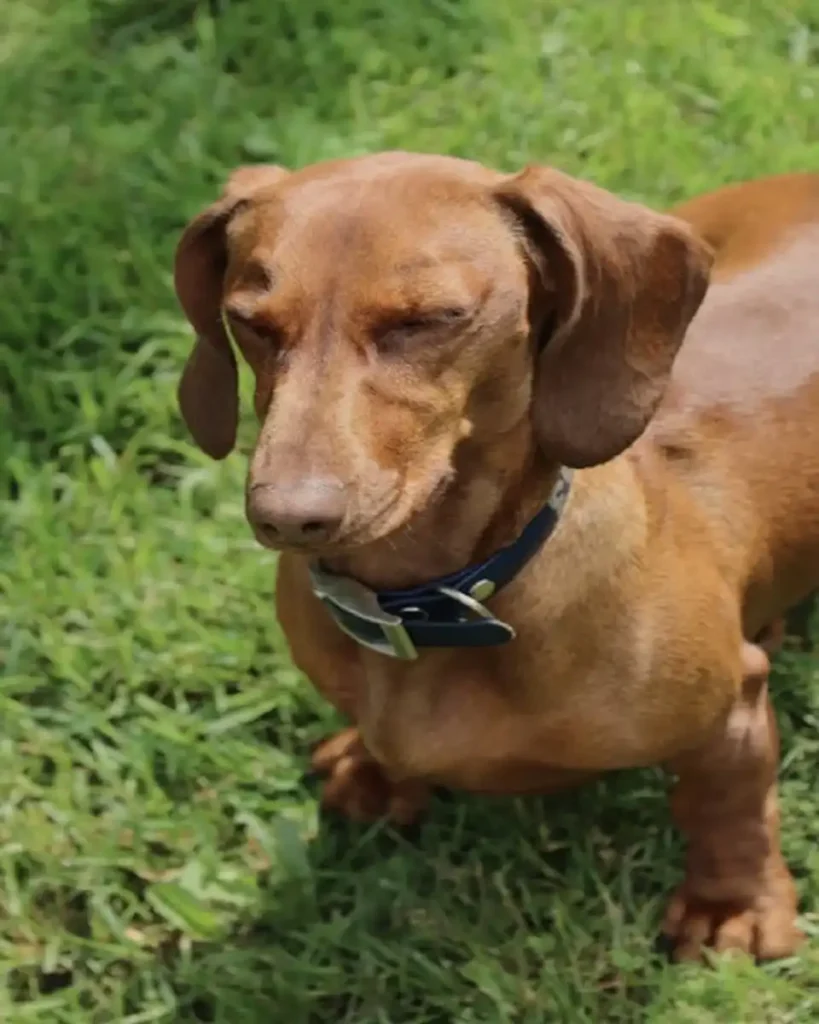
For a dachshund, keeping body weight in the healthy range is critical to protect the spine and reduce the risk of diabetes and joint stress. Wet food and carefully measured portions are often recommended for small dogs because they help with hydration and make it easier to control calories.
Modern Pet‑Care Trends for Talent Dogs
Pet‑care trends in 2025 include human‑grade food, custom beds, and furniture designed for small dogs, as well as more spending on behavior support and enrichment. Owners now see mental health and boredom relief as essential, investing in puzzle toys, interactive feeding, and subscription boxes tailored to their dog’s size and activity needs.
Small dogs like the dachshund are especially popular for aesthetic reasons and suitability to compact living spaces, which encourages more indoor enrichment and structured training. This environment is ideal for turning a dachshund into a true “talent dog” that performs tricks, scent games, and calm manners in the home.
Daily Care Checklist for a Healthy Dachshund
A daily routine helps a dachshund feel secure and reduces behavior issues. A typical day should include at least two short walks, several play or training sessions, and quiet rest in a comfortable, back‑friendly bed.

Regular grooming is also important: brushing the coat, checking the ears, trimming nails, and watching for any signs of pain when the dog moves or is picked up. Scheduled vet visits allow early detection of spinal, dental, or metabolic problems, which is especially important as dachshunds age.
Practical Table: 2025 Dachshund Care & Training Overview

| Area | 2025 Best Practice for Dachshunds | Why It Matters for Talent Dogs |
| Training style | Force‑free, reward‑based methods with short, frequent sessions. | Builds confidence, reduces stress, and keeps the dachshund eager to learn new tricks. |
| Socialization | Early, controlled exposure to people, dogs, sounds, and surfaces with rewards. | Prevents fear and reactivity, making public performances and travel easier. |
| Exercise | Gentle walks, scent games, trick training; avoid high jumps and stairs. | Protects the long back while still challenging body and mind. |
| Barking management | Teach a “quiet” cue and reward calm, redirect to toys or sniffing games. | Keeps the dachshund focused and suitable for home, events, or classes. |
| Diet & weight | Small‑breed formulas, controlled portions, functional ingredients like probiotics and omega‑3. | Supports joint health, digestion, and healthy weight for better movement and stamina. |
| Health monitoring | Watch for back pain, mobility changes, weight gain, and signs of diabetes. | Early treatment improves long‑term quality of life and training potential. |
| Mental enrichment | Puzzle feeders, nose work, trick sessions, and interactive play daily. | Reduces boredom and problem behaviors, channels energy into useful skills. |
Finally
A dachshund in 2025 can be much more than a cute companion; with the right training and care, it can be a true talent dog that learns tricks, enjoys scent work, and lives a long, healthy life. By combining force‑free training, spine‑safe activities, modern nutrition, and regular health checks, owners give their dachshund every chance to stay confident, agile, and ready to shine at home and beyond.
For More Details Visit Talent Dogs
Leave a Reply