
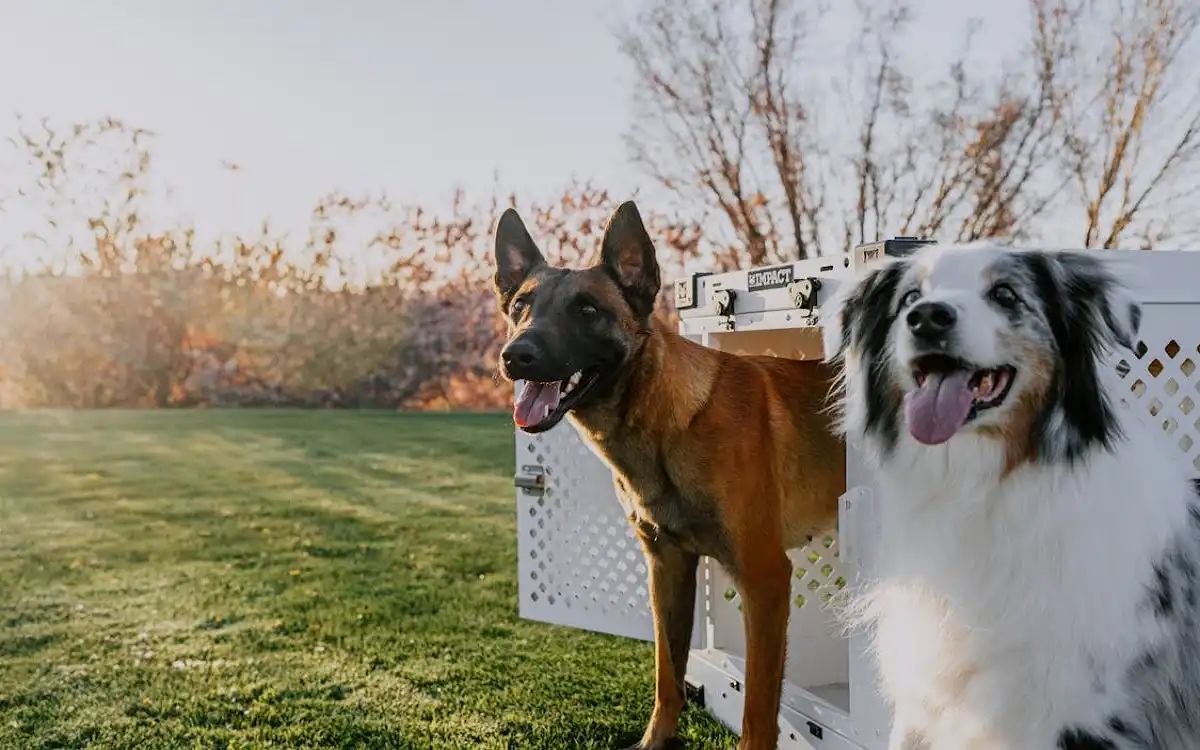
Puppy crate training in 2025 is no longer just about “keeping a puppy safe at night” – it is one of the fastest ways to build confidence, focus, and good habits from day one. When done with kind, reward‑based methods, crate training a puppy turns a simple box into a personal den that helps unlock your dog’s natural talent and calm behavior.
Why Crate Training Matters in 2025
In 2025, modern dog trainers and behavior experts agree that humane, reward‑based training is the gold standard for puppies. The American Veterinary Society of Animal Behavior (AVSAB) clearly recommends using only reward‑based methods for all dog training, which includes crate work.
That shift in thinking means the crate is never a punishment zone. Instead, it becomes a safe, quiet space that supports your puppy’s mental health at a time when owners are often working hybrid schedules and dogs must cope with alone time.
What Crate Training a Puppy Really Is
Crate training a puppy means slowly teaching your dog to feel relaxed and secure in a small, enclosed space, similar to a den. The crate is used in short, planned sessions to support potty training, sleep routines, travel, and safety when you cannot supervise.

The focus keyword “crate training a puppy” today often comes up in the context of positive reinforcement, short sessions, and building trust rather than forcing a dog to “get used to it.” When that mindset is clear, your puppy starts to see the crate as a bedroom, not a jail.
2025 Updates: What’s New in Crate Training
Dog training in 2025 is shaped by three big trends: science‑based methods, tech tools, and personalized plans. Modern guides explain that crate training should always respect the dog’s emotional state and avoid any fear‑based techniques.
Key 2025 updates include:
- Stronger emphasis on reward‑only training and avoiding any aversive tools or forced confinement.
- Use of training apps and digital logs to track crate sessions, naps, and potty breaks for each puppy.
- Clear reminders that progress is not linear and can take months, which big organizations like the AKC now mention in their step‑by‑step crate guides.
Choosing the Right Crate in 2025
Picking the right crate is your first technical decision. In 2025, dog experts suggest you consider not only size, but also material, adjustability, and your lifestyle.

Important points:
- Size: Your puppy should be able to stand up, turn around, and lie down comfortably, but not have so much space that they can use one corner as a toilet.
- Type: Wire crates offer airflow and flexibility with dividers; plastic crates feel more like enclosed dens and are good for travel; soft crates are light but better for calmer, older dogs.
- Adjustability: Many 2025 “grow‑with‑me” crates come with dividers so one crate fits your puppy from small to adult size.
How to Introduce the Crate: First Days
The first days are all about calm and curiosity, not closing doors. Place the crate in a room where your family spends time, keep the door open, and let the puppy explore at their own pace.
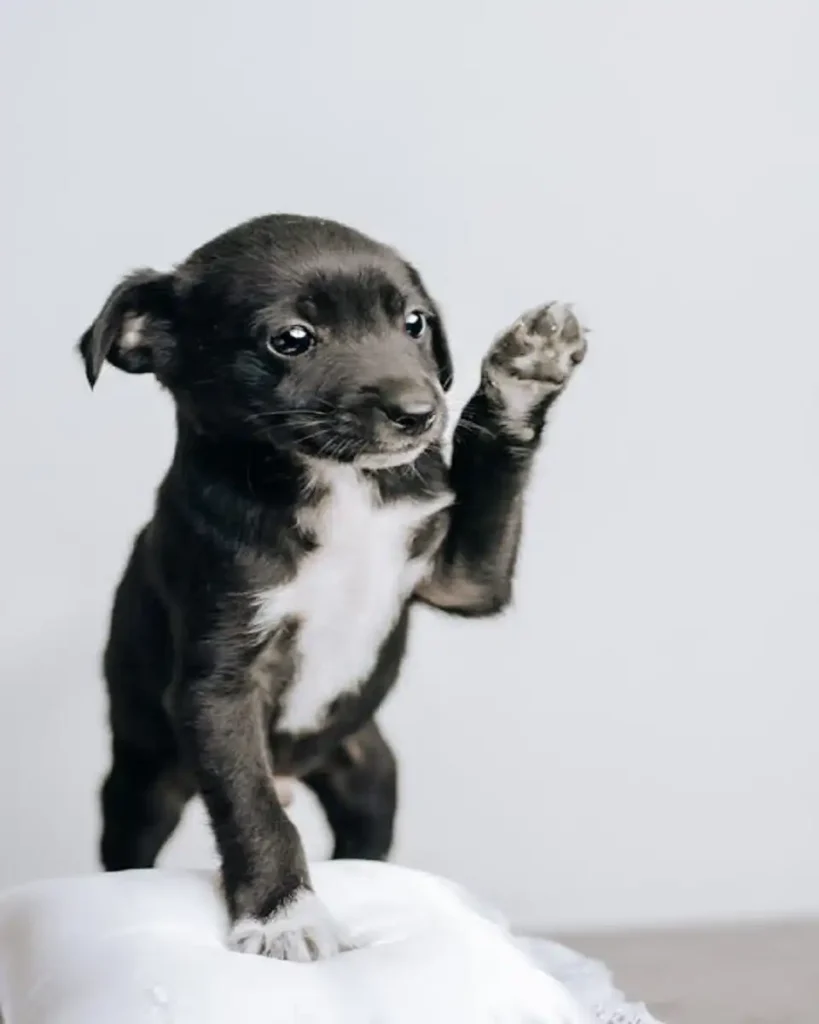
Simple steps:
- Make the inside of the crate soft with a washable bed or blanket.
- Toss treats or kibble just inside the door at first, then further in as your puppy grows bolder.
- Feed some or all meals in the crate to build a deep positive link between the space and good things.
At this stage, the only job is to make the crate predict food, toys, and rest, never scolding or pushing the puppy inside.
Building Positive Associations
To unlock talent fast, you want your puppy to choose the crate, not avoid it. Positive reinforcement is the core: reward the dog each time they step in, sit, or lie down in the crate on their own.
Helpful ideas:
- Use a special chew or food puzzle that your puppy only gets in the crate.
- Pair a consistent cue such as “bed” with the moment your puppy enters the crate, then reward.
- Keep early sessions short – a few minutes at a time – so the pup always comes out feeling safe and successful.
Step‑by‑Step Night‑Time Crate Routine
Night‑time crate training a puppy is often the hardest part for new owners, but a clear routine makes it easier. In 2025 guides, experts suggest planning for several weeks of interrupted sleep rather than expecting perfection in a few nights.
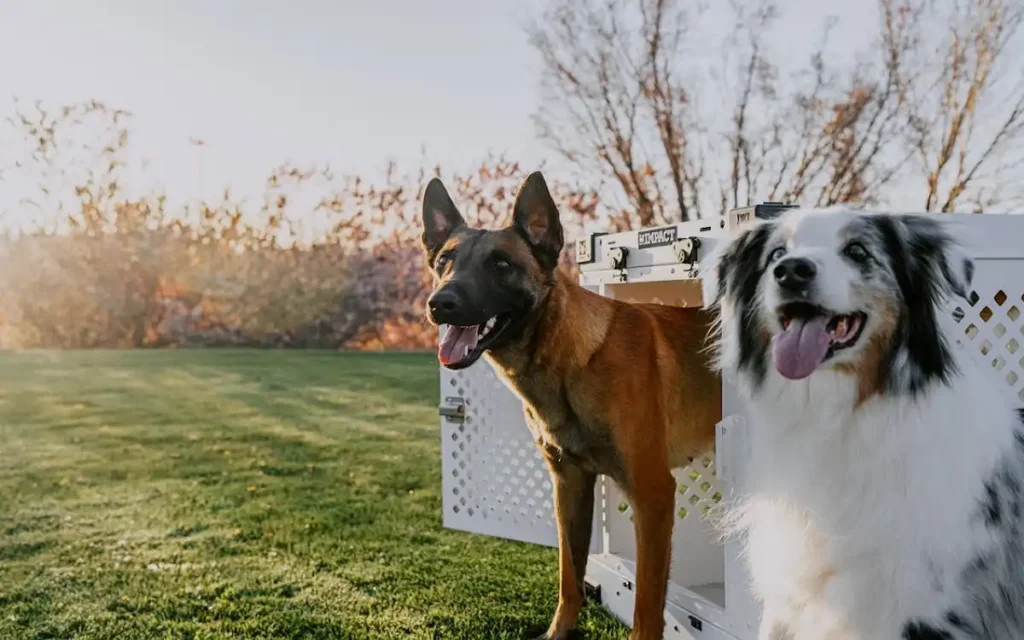
A simple flow:
- Last play and toilet break 15–30 minutes before bed.
- Offer a calm chew in the crate so the puppy settles instead of crying immediately.
- Keep the crate close to your bed at first to comfort the puppy and notice when they need a toilet trip.
- Take quiet, no‑play toilet trips during the night, then place the puppy back in the crate with minimal fuss.
Over time, your puppy learns that night time means sleep, not play, which supports brain development and better learning during the day.
Using the Crate for Potty Training
One of the most practical benefits of crate training a puppy is faster, cleaner house training. Puppies naturally prefer not to soil where they sleep, so a correctly sized crate encourages them to hold on until you take them outside.
Best practices:
- Take your puppy to their toilet area immediately after crate time and reward as soon as they finish.
- Keep a consistent schedule of short crate rests and frequent outdoor breaks, especially after meals, naps, and play.
- Avoid leaving a young puppy crated longer than they can physically hold their bladder; accidents in the crate can slow learning.
Separation Anxiety: How Crate Training Helps (and When It Doesn’t)
Crate training can support puppies at risk of separation anxiety by teaching them to relax alone for short periods. A crate that feels safe, paired with calm exits and returns from the owner, can make time alone less stressful.
However, experts warn that crates must never be used to “force” a dog through panic. If your puppy shows intense distress – constant howling, drooling, escape attempts, or self‑injury – a qualified, reward‑based professional should guide a broader plan that may not rely on the crate at all.
Tech‑Enabled Crate Training in 2025
In 2025, many owners use technology to refine their crate training plans. Training apps, smart cameras, and digital logs help track how long a puppy can stay calm, how often they need toilet breaks, and what triggers whining.
Examples:
- Training apps that schedule progressive crate intervals and send reminders for breaks.
- Pet cameras that let you watch your puppy during short absences so you can adjust before real anxiety builds.
- Shared logs between trainers and owners for custom, data‑based crate routines.
Used well, these tools support better timing and consistency, which both science and trainers highlight as key for learning.
Common Crate Training Mistakes to Avoid
In 2025, expert position statements are very clear about what not to do. Avoiding these errors keeps your puppy safe and your training progress steady.
Frequent mistakes:
- Using the crate as punishment, which quickly destroys trust and makes the crate scary.
- Leaving a young puppy crated for long workdays without breaks, leading to stress, accidents, and health risks.
- Using aversive tools or loud corrections to stop crying instead of adjusting the plan and making crate time easier.
Safe Crate Times by Age: Quick Reference Table
The table below gives general, puppy‑friendly time frames often suggested by modern training and veterinary sources. Individual puppies may need shorter periods, especially very small breeds or sensitive dogs.
| Puppy age (approx.) | Awake crate time per session (max, with training) | Night‑time stretch (with toilet breaks) | Notes for 2025 owners |
| 8–10 weeks | 30–45 minutes while you are at home and nearby. | 2–3 hours, then quick toilet trips. | Focus on introductions; keep door open often and avoid long daytime confinement. |
| 11–14 weeks | 1–2 hours with a chew and planned breaks. | 3–4 hours at night between toilet trips. | Start very short alone‑time practice with cameras or monitors. |
| 15–20 weeks | Up to 3 hours, still not every day and always with exercise and mental games outside the crate. | 4–5 hours at night for many puppies. | Use tech tools or logs to track patterns and avoid accidents. |
| 5–6 months | 3–4 hours max, and only if the puppy is calm and content. | Many can sleep 6–7 hours with a pre‑bed toilet break. | Mix crate time with pen time and free time so the dog has movement and choice. |
| 7+ months | 4 hours occasionally; aim for more freedom and pen use during the day. | Often sleep through the night, depending on size and routine. | Start treating the crate more like a bedroom that stays open when you are home. |
These values are not strict rules but helpful starting points for planning humane crate schedules.
Unlocking Your Puppy’s Talent Through Crate Training
Well‑planned crate work does more than protect furniture. It supports better sleep, calmer behavior, sharper focus in training, and a stronger bond between dog and owner, which together help unlock a puppy’s natural talent for learning.
For example, puppies that can settle in a crate tend to travel more easily, recover better after exciting training sessions, and cope with visits to the vet or groomer with less stress. In sports and working homes, the crate becomes a vital tool for teaching “on/off” switches between high drive and deep rest.
When to Move Beyond the Crate
As your dog matures, the crate often shifts from a daily management tool to an optional resting spot. Many trainers in 2025 suggest that once a dog is reliably house‑trained and safe when left alone, the crate door can often stay open in normal life.
Some dogs still choose to nap in their crate for years because they enjoy the den feeling. Others prefer beds, sofas, or open pens, which is also fine as long as safety and good habits stay in place.
Finally
Crate training a puppy in 2025 is about combining modern science, kind methods, and smart tools to help your dog feel safe, relaxed, and ready to learn. By treating the crate as a positive den, using reward‑based training, and respecting your puppy’s age and emotions, you turn a simple crate into a quiet engine that unlocks talent fast.
With patience, structure, and empathy, your puppy’s crate becomes a gateway to better sleep, easier potty training, confident alone time, and smoother travel – all foundations for a happy, skilled adult dog.
For More Details Visit Talent Dogs
Leave a Reply