
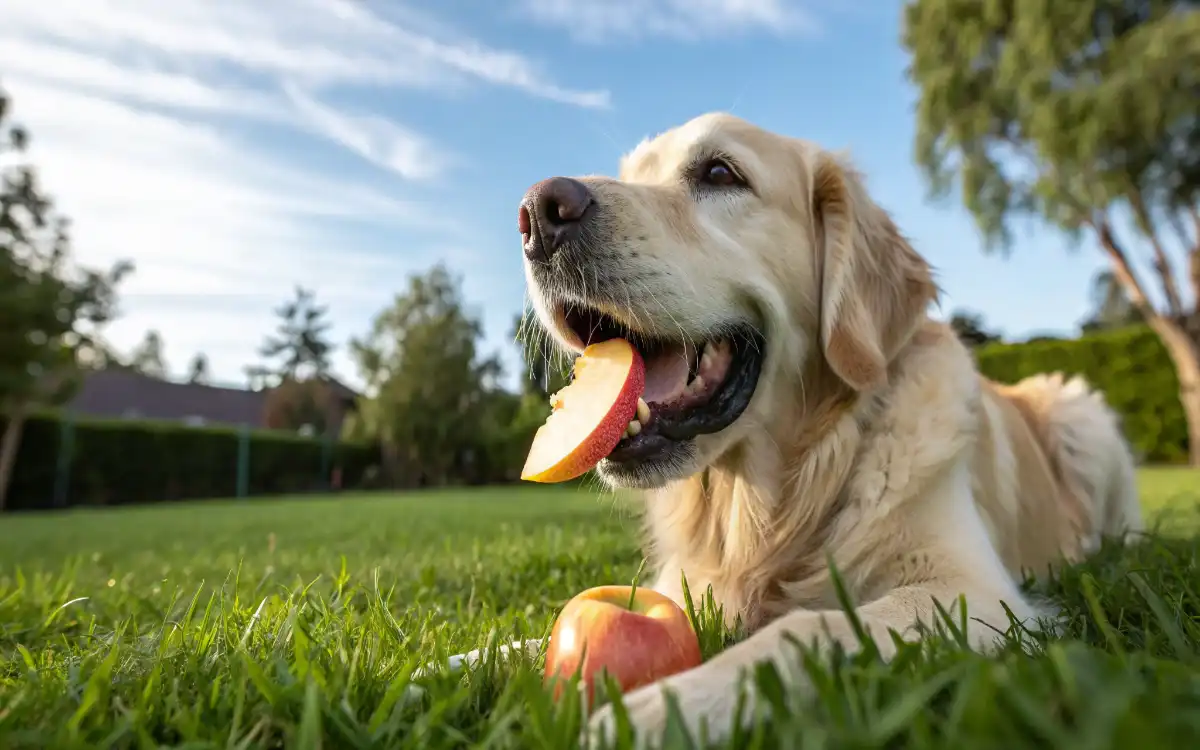
As we move into 2026, the way we think about pet nutrition continues to evolve. While high-quality kibble remains the foundation for most, more owners are looking toward “functional snacks”—human foods that do more than just fill a belly. Among the most popular questions for new and seasoned owners alike is: can dogs have apples?
The short answer is a resounding yes, but with some very specific “2026 safety standards” that every pet parent should know. In this guide, we’ll dive deep into the nutritional science, the latest veterinary warnings, and the best ways to serve this crunchy treat to your furry best friend.
The Nutritional Powerhouse: Why Apples are a Super-Treat
Apples aren’t just a convenient snack you can grab from your fruit bowl; they are packed with nutrients that support a dog’s long-term health. According to recent veterinary studies, the specific combination of fiber and vitamins in apples makes them one of the most cost-effective “superfoods” available.
1. Vitamin A and Vitamin C
Vitamin A is crucial for maintaining your dog’s vision and immune system. Meanwhile, Vitamin C acts as a powerful antioxidant, helping to reduce inflammation and cognitive aging in senior dogs. While dogs naturally produce some Vitamin C, supplemental sources from fresh fruit can provide an extra boost during times of stress or illness.
2. Dietary Fiber and Pectin
The fiber in apples is excellent for a dog’s digestive tract. Specifically, apples contain pectin, a soluble fiber that helps regulate bowel movements. Whether your dog is prone to occasional constipation or soft stools, a few slices of apple can act as a natural “gut stabilizer.”
3. Dental Health Benefits
One of the most praised benefits of apples in 2026 is their role in “mechanical” dental cleaning. The firm, crunchy texture of an apple slice helps scrub away a small amount of plaque from the teeth. Furthermore, apples contain malic acid, which can help break down stains and keep your dog’s breath smelling fresher than that “puppy breath” we all know too well.

Can Dogs Eat Apples? The Risks: What No One Tells You About the Core and Seeds
While the flesh of the apple is safe, other parts of the fruit are strictly off-limits. If you’ve ever wondered, “can dogs have apples without any prep?” the answer is a hard no.
The Cyanide Concern (Apple Seeds)
Apple seeds contain a compound called amygdalin, which releases cyanide when it is chewed or crushed. While a dog would technically need to eat a massive amount of seeds to suffer from acute cyanide poisoning, the toxin can accumulate over time. Veterinary toxicologists in 2026 recommend a “zero-tolerance” policy for seeds to avoid any long-term liver strain.
Choking and Obstructions (The Core)
The apple core is tough, fibrous, and incredibly difficult for a dog to digest. For small breeds, the core is a significant choking hazard. For larger breeds, it can lead to a gastrointestinal blockage if swallowed whole, which often requires emergency surgery to remove.
The Sugar Factor
Apples are high in natural sugars (fructose). While this is fine for a healthy, active dog, it can be dangerous for:
- Diabetic Dogs: Sugar spikes can interfere with insulin levels.
- Obese Dogs: The extra calories add up quickly.
- Puppies: Their developing systems can be sensitive to high-sugar loads, leading to diarrhea.
2026 Serving Guidelines: How Much is Too Much?
The “Golden Rule” of pet treats remains the 10% Rule. No more than 10% of your dog’s daily calories should come from treats, including healthy ones like apples.
To make it easy for you, we’ve put together a quick-reference table based on the latest 2026 veterinary weight classes:
Safe Apple Serving Sizes by Dog Weight
| Dog Size | Weight Category | Recommended Daily Amount | Preparation Style |
| Extra Small | 2–10 lbs | 1–2 small cubes | Peeled & finely diced |
| Small | 11–25 lbs | 2–3 thin slices | Sliced, skin-on (optional) |
| Medium | 26–50 lbs | 4–6 slices | Sliced or cubed |
| Large | 51–90 lbs | Up to 1/2 an apple | Large chunks |
| Giant | 90+ lbs | 1 full apple (spread out) | Sliced into quarters |
Expert Tips for Preparing Apples for Your Dog
If you want to be the best “chef” for your pup, follow these vet-approved steps to ensure the snack is as safe as it is tasty.
Step 1: Choose Organic if Possible
Modern agricultural practices often involve pesticides. Since many of the nutrients are found in the skin, choosing organic apples ensures your dog isn’t ingesting unwanted chemicals. If you can’t buy organic, give the apple a “deep scrub” with a mixture of water and baking soda.
Step 2: Remove the “Big Three”
Always remove the stem, the seeds, and the core. These are the parts that carry the most risk for toxicity and choking.
Step 3: Size Matters
Never give your dog a whole apple to “work on.” They may accidentally swallow the core or a large piece that gets lodged in their throat. Cut the apple into slices or small cubes. For senior dogs with dental issues, you can even grate the apple over their regular food.

Creative 2026 Apple Recipes for Dogs
Can dogs have apples? Plain slices are great, but if you want to spice things up for a special occasion (like a “Gotcha Day”), try these simple ideas:
- Apple & Peanut Butter “Sandwiches”: Take two thin apple slices and smear a tiny amount of xylitol-free peanut butter in between. It’s a high-protein, high-fiber snack.
- Frozen Apple-Cicles: Blend apple chunks with plain, unsweetened yogurt and freeze them in ice cube trays. These are perfect for cooling down your pup after a summer walk.
- Dehydrated Apple Chips: Use an air fryer or oven at a low temperature to dry out thin apple slices. They become a chewy, long-lasting treat that is much healthier than store-bought jerky.
FAQ – Can Dogs Eat Apples?
Can dogs eat green apples (Granny Smith)?
Yes! In fact, green apples often have slightly less sugar and more Vitamin A than red varieties. However, they are more tart, so some dogs might find the taste too sour.
Can puppies have apples?
Yes, but start very slowly. A puppy’s stomach is still learning how to process solid “human” foods. One tiny cube is enough for a first-time taste test. Watch their stool for 24 hours to ensure it doesn’t cause any looseness.
What about applesauce?
Dogs can eat applesauce as long as it is plain and unsweetened. Many commercial applesauces contain added sugars or, worse, the artificial sweetener Xylitol (Birch Sugar), which is highly toxic to dogs. Always read the label.
Can Dogs Eat Apples: An Apple a Day?
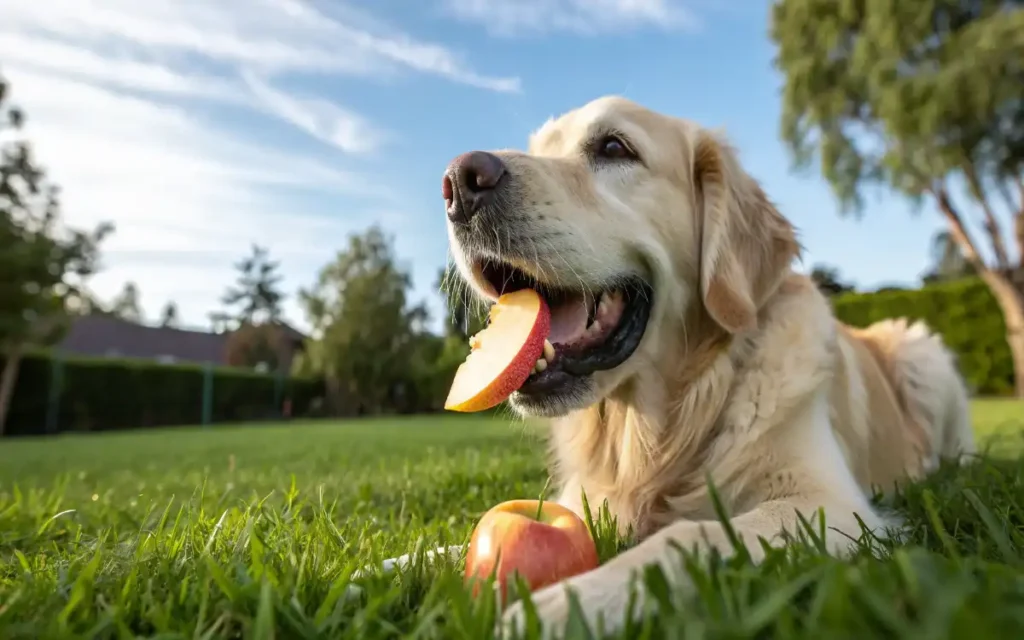
While the old saying “an apple a day keeps the doctor away” might work for humans, for dogs, it’s more like “an apple slice a day keeps the tail wagging.” When you ask, “can dogs have apples,” the answer is a joyful “yes,” provided you take the sixty seconds required to core and seed them properly.
By incorporating apples into your dog’s diet, you’re providing them with essential vitamins, better breath, and a low-calorie treat that beats processed “dog cookies” any day of the week. Just remember: moderation is the key to a happy, healthy pup.
For More Details Visit Talent Dogs
Leave a Reply