
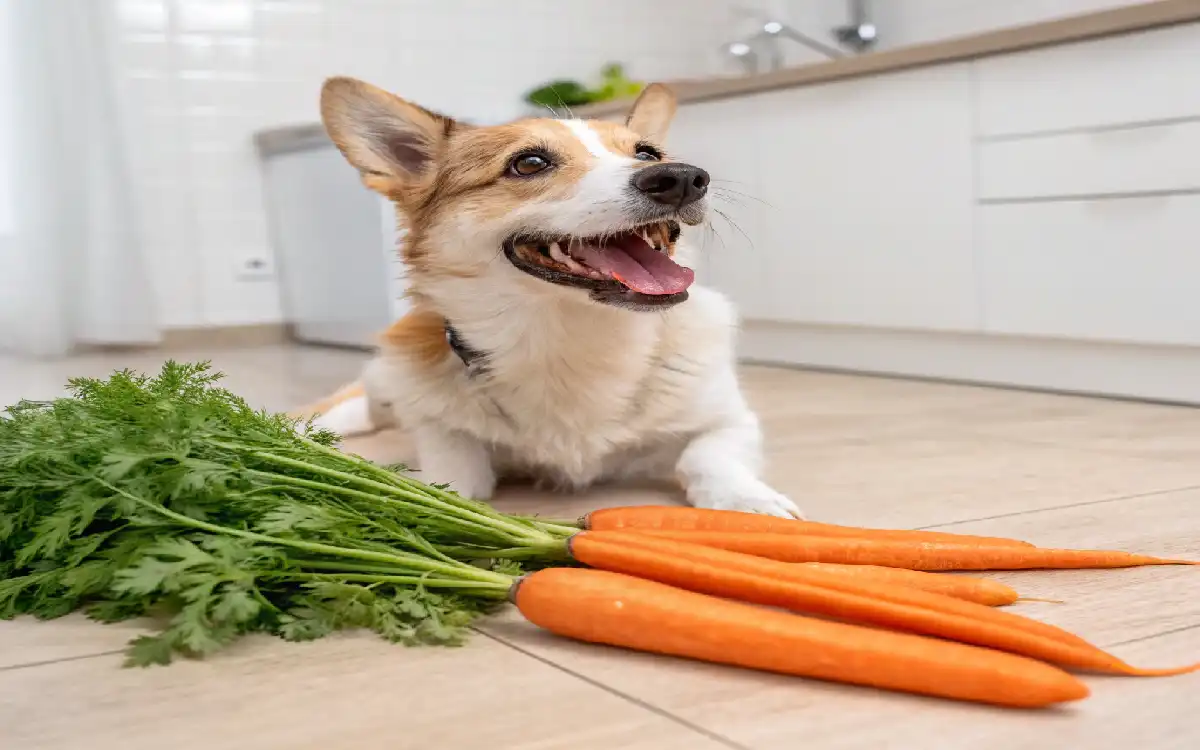
Are Carrots Good for Dogs? If you have ever wondered whether that crunchy orange vegetable in your fridge could double as a healthy treat for your furry friend, you are not alone. Many dog owners are looking for natural and nutritious snack options that go beyond commercial dog treats. The good news is that carrots are not just safe for dogs, they can actually provide some amazing health benefits when served correctly.
According to recent 2026 veterinary guidance, carrots have become one of the most recommended vegetables for dogs due to their rich nutrient profile and low calorie content. But before you start tossing whole carrots to your pup, there are important things you need to know about preparation, portion sizes, and potential risks.
What Makes Carrots a Healthy Choice for Dogs?
Are carrots good for dogs? The simple answer is yes. Carrots are packed with essential vitamins and minerals that support your dog’s overall health. Unlike many store-bought dog treats that contain artificial additives and empty calories, carrots offer genuine nutritional value without the guilt.
Carrots contain a powerful combination of nutrients that benefit dogs in multiple ways. They are rich in beta-carotene, which the body converts into vitamin A. This nutrient is essential for maintaining good vision, supporting immune function, and promoting healthy skin and coat. In fact, many premium dog food brands include carrots as a key ingredient because of these benefits.
Beyond vitamin A, carrots also provide vitamins K, C, B6, and B1, along with important minerals like potassium, fiber, and antioxidants. The fiber content in carrots is particularly beneficial for digestive health, helping to regulate bowel movements and support a healthy gut microbiome.
What makes carrots even more appealing is their low calorie count. A single baby carrot contains only about four calories, making them an ideal treat for dogs who need to watch their weight. This is especially important since obesity in dogs has become a growing concern in recent years.
The Science-Backed Health Benefits of Carrots for Dogs
Better Eye Health and Vision Support
Just like the old saying goes for humans, carrots really are good for your eyes, and the same applies to dogs. The beta-carotene found in carrots converts to vitamin A in the liver, which then travels through the bloodstream to the retina. This process helps nourish the light-sensitive rods and cones in your dog’s eyes, supporting both daytime vision and night vision capabilities.
Improved Dental Health
One of the most surprising benefits of raw carrots is their natural teeth-cleaning properties. When dogs chew on raw carrots, the crunchy texture helps scrape away plaque and tartar buildup from their teeth. This chewing action also stimulates the gums and promotes blood flow, contributing to better overall oral health. While carrots cannot replace regular teeth brushing, they certainly make a helpful addition to your dog’s dental care routine.
Digestive System Support
Carrots contain both soluble and insoluble fiber, each playing a unique role in digestive health. Soluble fiber helps manage blood cholesterol levels, which benefits heart health. Insoluble fiber, on the other hand, plays a vital role in removing toxins from the colon and keeping bowel movements regular. For dogs who occasionally experience constipation, the fiber in carrots can provide gentle relief.
Weight Management
For dogs who need to shed a few pounds or maintain a healthy weight, carrots make an excellent low-fat alternative to traditional dog treats. Because they are low in calories but high in fiber, carrots help dogs feel full and satisfied without contributing to weight gain. This makes them perfect for training sessions or between-meal snacks.
Immune System Boost
The vitamins and antioxidants in carrots work together to strengthen your dog’s immune system. Vitamin C helps wounds heal faster and maintains healthy cartilage and bones. The antioxidants in carrots help fight aging and reduce cell damage, keeping your dog healthier for longer.
How Much Carrot Should You Feed Your Dog?
While carrots are healthy, moderation is the key to safe feeding. According to updated 2026 veterinary guidelines, treats should make up no more than 10 percent of your dog’s daily caloric intake, with the remaining 90 percent coming from a complete and balanced dog food.
The right serving size depends on your dog’s weight and size.
Here is a helpful breakdown:
| Dog Size | Weight Range | Daily Carrot Serving | Preparation Tips |
| Extra Small | 2-10 lbs | 1-2 thin slices | Cut into tiny pieces, about 1/4 inch thick |
| Small | 11-20 lbs | 1-2 baby carrots | Slice into rounds or small chunks |
| Medium | 21-50 lbs | 3-5 baby carrots or 1/4 cup chopped | Cut into bite-sized pieces |
| Large | 51-90 lbs | 1/2 cup chopped carrots | Can handle larger pieces but monitor chewing |
| Extra Large | 90+ lbs | 1/2 to 3/4 cup chopped | Whole baby carrots acceptable if supervised |
Remember that these are general guidelines. Individual needs may vary based on your dog’s age, health status, activity level, and existing diet. Always consult your veterinarian before introducing new foods, especially if your dog has diabetes, obesity, or other health conditions.
Raw vs. Cooked: Which Is Better for Dogs?
Both raw and cooked carrots are safe for dogs, and each preparation method offers unique benefits.
- Raw Carrots provide a satisfying crunch that most dogs love. They are excellent for dental health because the hard texture helps scrape plaque from teeth. Raw carrots also make great chew toys, especially for teething puppies. You can even freeze whole carrots to create an inexpensive and soothing chew toy for hot summer days.
- Cooked Carrots are easier to digest, especially for older dogs or those with dental issues. Interestingly, cooking carrots actually increases the availability of certain nutrients like beta-carotene, even though it may slightly reduce vitamin C content. Steaming or lightly microwaving carrots is the best cooking method because it preserves most vitamins and minerals. Avoid boiling, as this tends to leach out nutrients into the water.
Whether you choose raw or cooked, always serve carrots plain. Never add butter, oil, salt, or seasonings, as these can be harmful to dogs.
How to Safely Prepare and Serve Carrots to Your Dog
Proper preparation is essential to ensure carrots remain a safe treat. Follow these expert-recommended steps:
- Wash Thoroughly: Rinse carrots under running water to remove all dirt and pesticide residue. If possible, choose organic carrots to minimize chemical exposure.
- Cut into Appropriate Sizes: Always cut carrots into bite-sized pieces to prevent choking hazards. For small dogs, slice carrots about 1/4 inch thick. Large dogs can handle bigger pieces, but supervision is still important.
- Choose Your Preparation Method: Decide whether to serve them raw for dental benefits or cooked for easier digestion. You can steam, boil, microwave, or even grate them as a food topper.
- Start Small: When introducing carrots for the first time, start with just a small piece and watch for any signs of digestive upset, such as vomiting or diarrhea.
- Store Properly: Keep fresh carrots refrigerated. You can also prepare carrot slices in advance and store them in an airtight container for convenient snacking throughout the week.
Creative Ways to Serve Carrots to Your Dog
Variety keeps mealtime interesting for your pup. Here are some fun ways to incorporate carrots into your dog’s diet:
- Frozen Treats: Freeze carrot slices or pureed carrots in ice cube trays for a refreshing summer snack
- Food Topper: Grate fresh carrots over your dog’s regular food for added nutrition and flavor
- Stuffed Toys: Blend cooked carrots and stuff them into a KONG toy for mental stimulation
- Training Rewards: Use small carrot pieces as low-calorie training treats
- Mixed Vegetables: Combine cooked carrots with other dog-safe vegetables like green beans or sweet potatoes
Potential Risks and When to Avoid Carrots
While are carrots good for dogs in most cases, there are some situations where caution is needed:
Choking Hazard: Large pieces of carrot can get stuck in your dog’s throat or cause intestinal blockage. Always cut carrots into appropriate sizes for your dog’s breed and supervise them while eating.
Sugar Content: Although the natural sugars in carrots are generally fine, dogs with diabetes or those prone to obesity should consume carrots in limited quantities. Always consult your veterinarian for dogs with these conditions.
Digestive Upset: Introducing too many carrots too quickly can cause gas, vomiting, or diarrhea due to the high fiber content. Start with small amounts and gradually increase as your dog adjusts.
Bladder Stones: Carrots contain oxalates, which can contribute to bladder stone formation in predisposed dogs. If your dog has a history of urinary issues, discuss carrot treats with your vet.
Never Feed: Avoid canned carrots with added salt, carrot cake, or any carrot dish prepared with butter, oil, or seasonings. These additives can be harmful to dogs.
What Veterinarians Say About Carrots for Dogs
According to Dr. Christina Meiners, DVM, as reported in January 2026 veterinary publications, both raw and cooked carrots can be excellent treats for dogs when served as part of a balanced diet. Experts emphasize that while carrots provide valuable vitamins and minerals, they should complement, not replace, nutritionally complete dog food.
Purina nutritionists recommend that 90 percent of your dog’s diet should consist of complete and balanced dog food, with the remaining 10 percent coming from treats like carrots. This ensures your dog receives all essential nutrients while still enjoying healthy snacks.
Veterinarians also stress the importance of monitoring your dog when introducing any new food. If you notice any adverse reactions, discontinue feeding carrots and consult your vet immediately.
Are Carrots Good for Dogs?
The answer is a resounding yes. Are carrots good for dogs? Absolutely, when fed properly and in moderation. These crunchy orange vegetables offer numerous health benefits, from supporting vision and dental health to aiding digestion and weight management. They are a safe, nutritious, and affordable alternative to commercial dog treats.
Remember to always wash carrots thoroughly, cut them into appropriate sizes, and serve them plain without any added ingredients. Start with small amounts to see how your dog reacts, and never let treats exceed 10 percent of their daily calorie intake.
Whether you choose to serve carrots raw for their dental benefits or cooked for easier digestion, your furry friend will enjoy this healthy treat while reaping its nutritional rewards. As with any dietary change, consult your veterinarian to ensure carrots are appropriate for your dog’s specific needs and health.
By following these expert guidelines and serving suggestions, you can safely incorporate carrots into your dog’s diet and give them a treat they will love while supporting their overall health and well-being. Your dog deserves the best, and sometimes the best things in life are as simple as a crunchy, sweet carrot.
For More Detail,s Visit Talent Dogs
Leave a Reply