

1. A 2025 find that changed the story
In 2025, archaeologists in Northern Norway uncovered an 18‑foot Viking boat grave on the island of Senja containing a woman and a small dog placed with care at her feet. The grave dates to around 900–950 CE and is so well preserved that it offers one of the clearest pictures yet of how a viking boat burial dog was included in elite funerary rites.
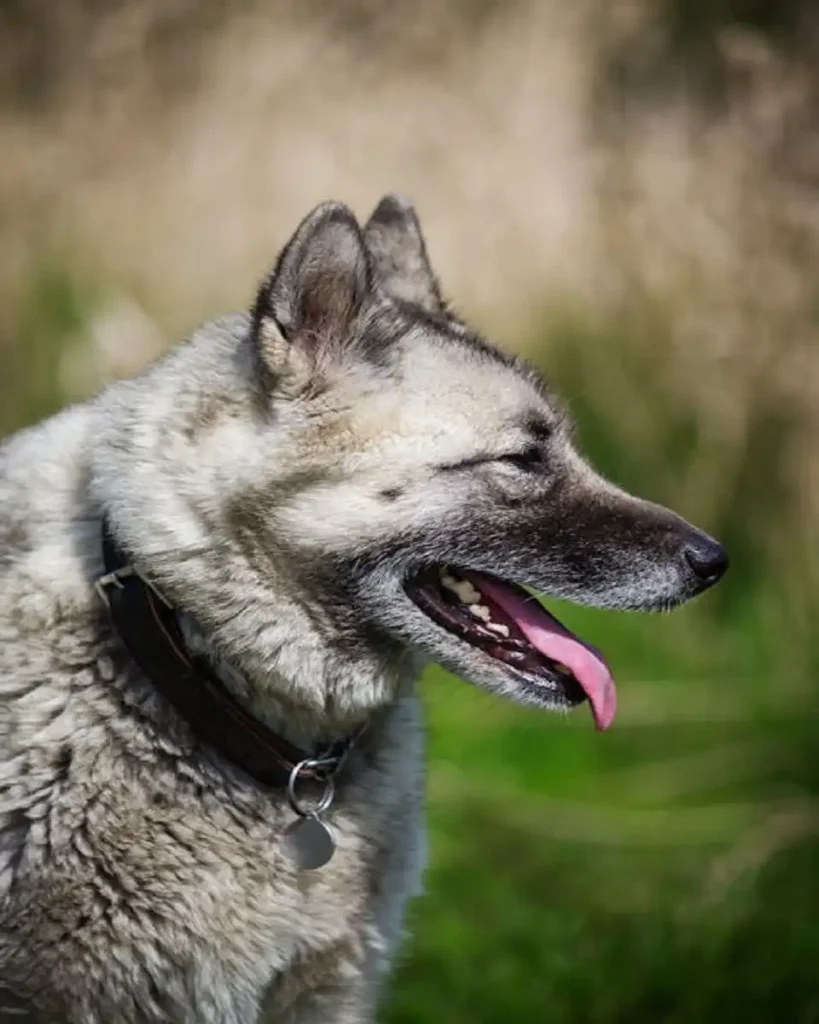
The woman was buried with rich jewelry, tools, and weaving equipment, suggesting she held high status in her community. The careful placement of the dog’s full skeleton, rather than cut or scattered bones, points to affection and respect, not just ritual sacrifice.
2. Dogs were not just “grave goods”
Earlier research often treated animals in graves as symbols, offerings, or meat for the afterlife, but dog burials are now seen as much more personal. In both boat graves and land graves, dogs are typically buried whole, unlike horses, which are often found in parts, hinting that dogs were companions more than sacrificial animals.

At Senja, the dog lies close to the woman rather than at the edge of the boat, which fits the idea of shared identity or household, not just a token object. Archaeologists argue that the bond in a viking boat burial dog case reflects a relationship that started in life and continued into the imagined journey after death.
3. Boat graves with dogs are rare but powerful
Viking boat burials are already uncommon compared with simpler inhumations or cremations, and finding a complete dog inside the same boat is rarer still. Studies from Scandinavian boat‑grave cemeteries show that only a minority of Viking‑Age boat burials include dogs, making each viking boat burial dog discovery especially important.
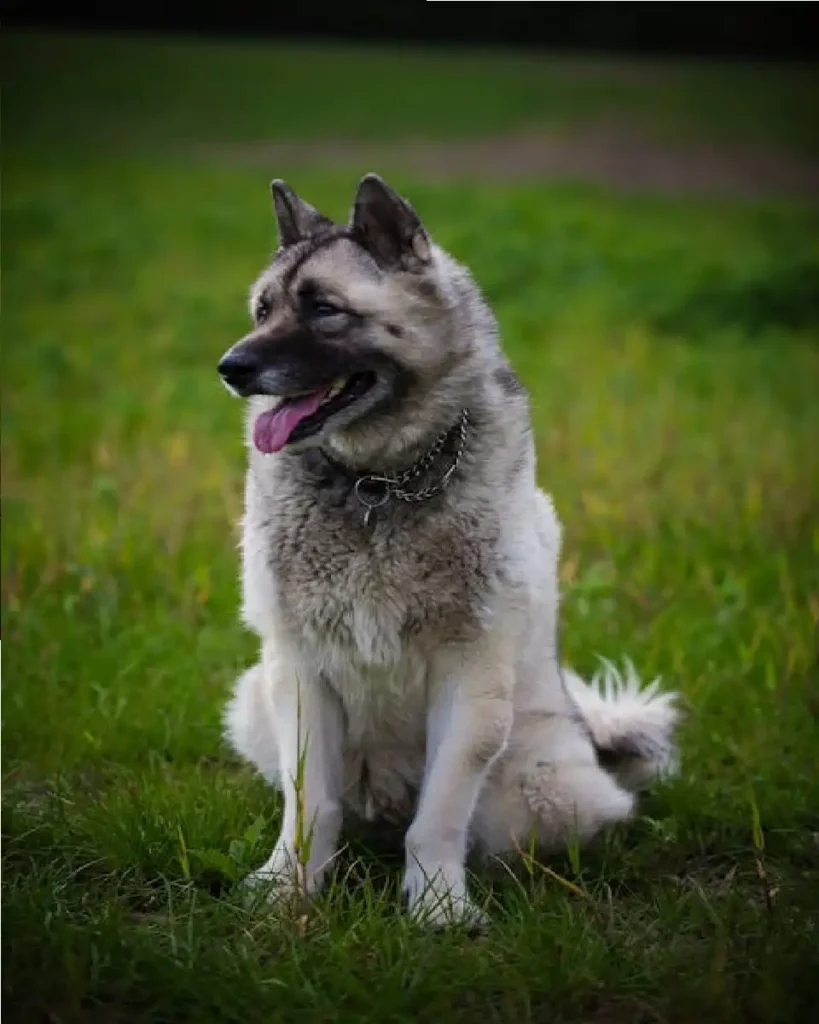
Because of this rarity, every new find can shift big questions about social class, gender, and belief. The Senja grave, for example, joins a small group of high‑status female burials with dogs, suggesting that powerful women, not only warriors, could be buried with loyal animals in boats.
4. A secret window into Viking emotions
For a long time, Vikings were painted as strictly practical raiders and traders, but dog burials show emotional choices behind ritual acts. Placing a beloved animal in the boat meant giving up a useful working dog, which would not be done lightly in a harsh northern environment.
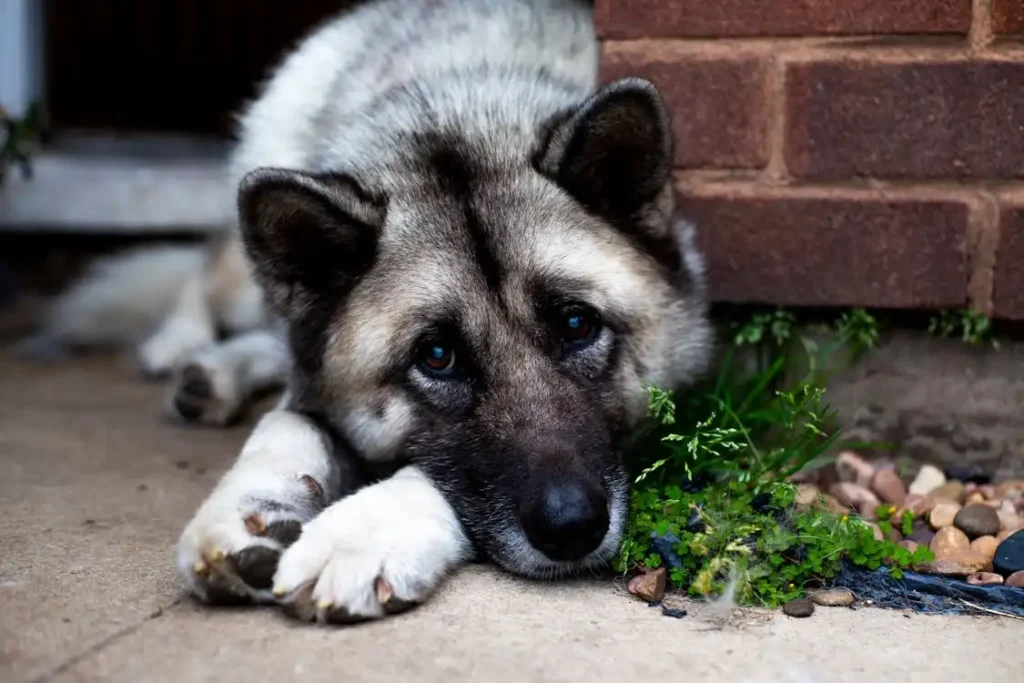
The new Senja excavation notes that the dog seems to have been placed gently, with its small body aligned near the woman’s feet rather than tossed in. Such details push archaeologists to talk openly about grief, loyalty, and affection in Viking households whenever a viking boat burial dog is found.
5. Dogs may have guided souls across worlds
Many scholars link Viking dogs with mythic roles as guardians and guides between worlds, similar to other Indo‑European traditions. In this view, a viking boat burial dog was not only a friend but also a kind of spiritual escort helping its owner travel safely to the afterlife.
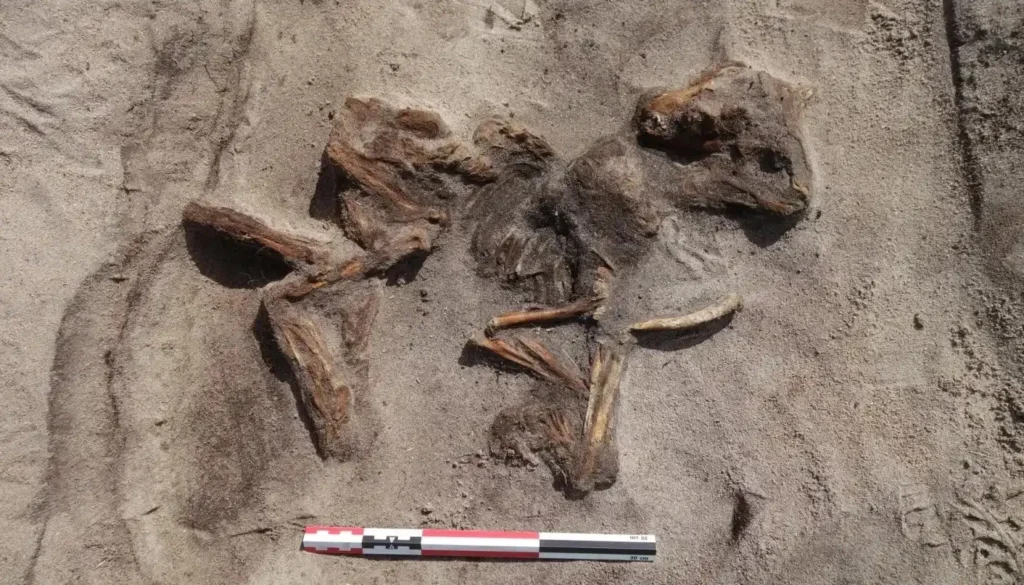
The boat itself symbolized a journey over water to another realm, so adding a dog doubled that message of passage and protection. Some cremation cemeteries with dog remains and ship symbols point to a shared belief system where ships, dogs, and the sea worked together as metaphors of transition.
6. Not all Viking dogs were local
Isotope studies on Viking‑Age dog bones from cemeteries in Sweden, Finland, and Britain show that some animals came from far away, crossing seas with their owners. This means that a viking boat burial dog could literally be a travel partner that had already journeyed long distances in life before its final sea‑symbolic voyage in death.

Research in Britain has revealed horses and dogs that likely originated in Scandinavia, proving that Vikings transported cherished animals on ships along with weapons and trade goods. When such an animal ended up in a burial boat, it carried the story of migration and shared adventures into the grave itself.
7. What the Senja grave reveals about Viking women
The 2025 Senja discovery also challenges stereotypes about Viking women and their roles. Grave goods such as fine brooches, textile tools, and imported beads suggest a woman who controlled resources, managed a large household, and possibly held influence beyond her village.
Having a viking boat burial dog at her feet in such an elaborate boat grave underlines that companionship and authority were not reserved for male warriors. Instead, it hints at a world where powerful women could command ships, land, and loyal animals in life and then travel with them into death.
Practical insights from Viking dog burials
Modern dog owners and historians alike draw several lessons from these graves. The way dogs were buried whole, close to their humans, shows that deep bonds between people and pets are far older than most assume.
For researchers, each new viking boat burial dog provides:
- Better data on breed size, diet, and health through bone analysis.
- Clues about trade routes and mobility through isotope testing.
- Evidence about status, gender, and belief through grave goods and body placement.
Viking boat burials with dogs
| Aspect | What it shows | Example from research |
| Human–dog placement | Emotional and social bond strength | Dog at woman’s feet in 18‑foot boat at Senja, Norway. |
| Dog body condition | Role as companion vs sacrifice | Whole dog skeletons vs dismembered horse remains in many Viking graves. |
| Grave type | Social rank and ritual cost | Boat graves with dogs mostly linked to higher‑status individuals. |
| Origin of dog | Travel and trade patterns | Isotope work showing some dogs imported across the sea to burial sites. |
| Associated objects | Daily life and gender roles | Dogs buried with women who had textile tools, jewelry, and household items. |
| Cemetery pattern | How common the practice was | Only a minority of Viking‑Age graves include dogs, making each case significant. |
At Last
The latest 2025 excavations in Norway confirm that a viking boat burial dog was never a random addition but a powerful symbol of love, status, and safe passage into the next world. As more boat graves with dogs are studied using modern scientific methods, they continue to reveal a Viking society that was not only warlike and ambitious, but also deeply attached to its animals.
For More Details Visit Talent Dogs
Leave a Reply