
Introduction
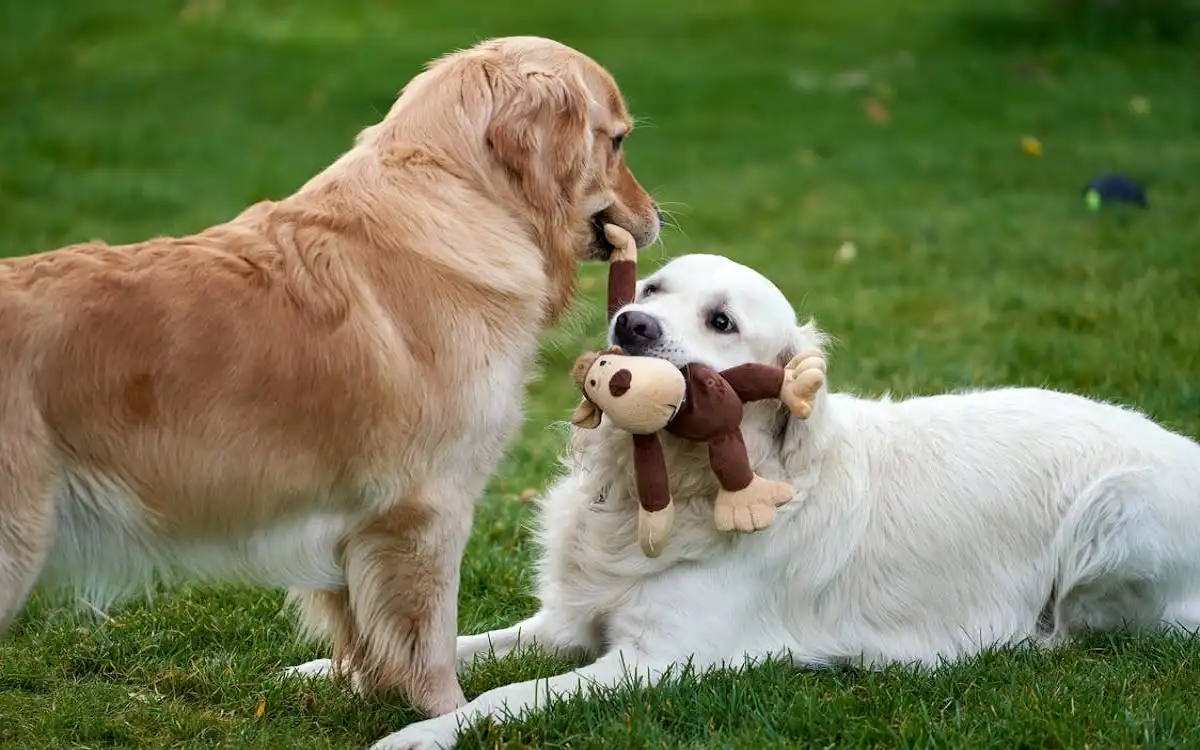
Dogs have always amazed us with their loyalty and playfulness, but new research in 2025 is revealing just how much they actually understand about the world around them. Scientists are discovering that dogs don’t just enjoy toys—they know how toys work, too. This ability, which goes beyond simple play, shows that dogs can categorize objects by function, remember how different toys are used, and even apply this knowledge to new toys they’ve never seen before.

For pet owners, trainers, and anyone who loves dogs, this is more than just a fun fact. It’s a window into the clever minds of our four-legged friends. Understanding how dogs know how toys work gives us deeper insight into their intelligence, learning abilities, and the bond they share with humans.
Dogs and Cognitive Abilities
Recent studies have shown that dogs are far smarter than we once thought. Researchers at the University of Portsmouth and Eötvös Loránd University found that some dogs—especially those known as “Gifted Word Learners”—can learn the names of dozens, even hundreds, of objects. But what’s even more impressive is that these dogs don’t just memorize names—they can figure out how toys work based on their function.
For example, in a 2025 study, dogs were taught to distinguish between toys used for pulling and toys used for fetching. The toys in each group looked completely different, but the dogs learned to connect the right action (pull or fetch) to each group. When given new toys, the dogs could apply what they’d learned and choose the correct toy for the right game, even if their owners didn’t use any verbal clues.
How Dogs Learn to Use Toys
Dogs learn through experience and observation, much like young children. When a dog plays with a toy, it starts to form a mental picture of how that toy works. If the toy is for tugging, the dog learns that pulling it brings rewards or attention. If the toy is for fetching, the dog learns that bringing it back leads to fun and praise.
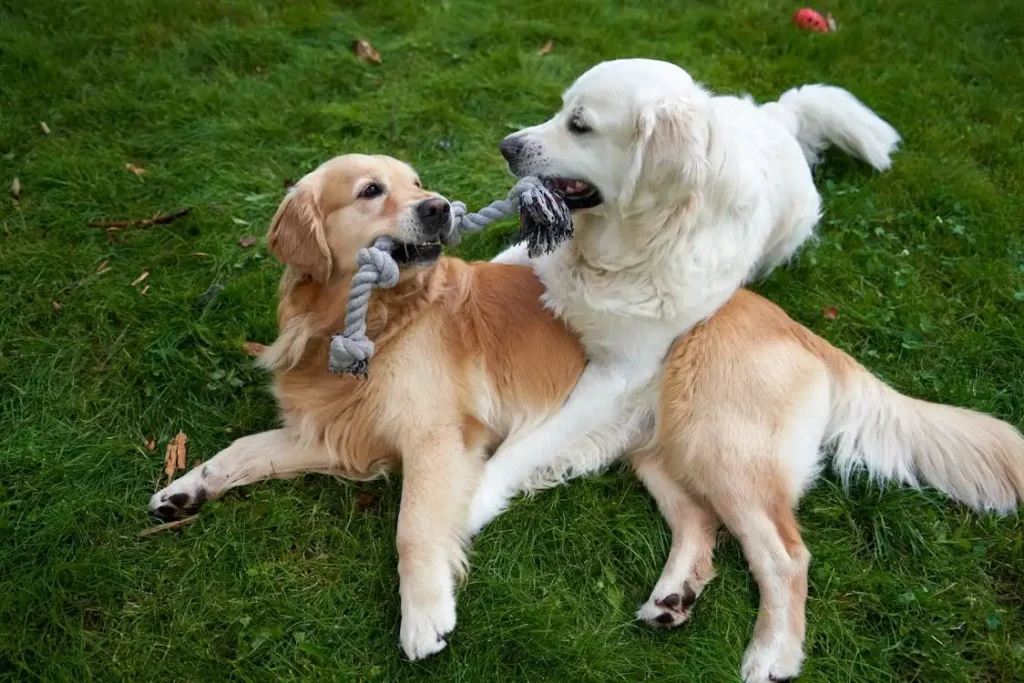
This learning happens naturally, without the need for extensive training. In the latest research, dogs were simply allowed to play with their toys for a week, and after that, they could categorize new toys based on how they were used. This shows that dogs are not just reacting to commands—they are actively thinking about what toys do and how they fit into playtime.
The Role of Curiosity and Memory
Curiosity plays a big role in how dogs learn. Studies have found that dogs with higher curiosity tend to be better at learning new object names and understanding how toys work. These “genius” dogs are more interested in exploring new toys and figuring out how they function. Their curiosity helps them build a rich mental library of object functions, which they can draw on later.
Memory is also crucial. Dogs can remember how toys work for long periods, even without regular practice. This means that once a dog learns how a certain type of toy works, it can apply that knowledge to similar toys in the future. This ability to categorize and remember is a sign of advanced cognitive skills.
Dogs Know How Toys Work: Real-World Examples
Here are some real-world examples of how dogs demonstrate their understanding of toys:
- A dog might bring a ball when asked for a “fetch toy,” even if the ball looks different from the one it usually plays with.
- If given a new tug toy, the dog will instinctively pull it, even if it’s never seen that toy before.
- Dogs can learn to sort their toys by function, choosing the right one for the game their owner wants to play.
These behaviors show that dogs don’t just respond to commands—they understand the underlying purpose of different toys. This is why dogs know how toys work, and it’s a key part of their intelligence.
The Science Behind Dog Toy Understanding
The latest research in 2025 has revealed that dogs form mental representations of objects based on their functions. This means that when a dog sees a new toy, it doesn’t just see the shape or color—it thinks about what the toy is used for. If the toy is similar in function to one it’s played with before, the dog will treat it the same way.

This ability is similar to how humans categorize objects. For example, a person might call both a hammer and a rock by the same name if they are used for the same purpose. Dogs can do the same thing with toys, connecting the right action to the right object based on function, not appearance.
Dog Toy Understanding Table
The table below summarizes the key findings from the 2025 studies on how dogs know how toys work.
| Feature | Description |
| Categorization | Dogs can group toys by function (pull, fetch, etc.), not just appearance |
| Memory | Dogs remember how toys work for long periods, even without practice |
| Curiosity | Dogs with higher curiosity learn object functions faster |
| Natural Learning | Dogs learn how toys work through play, not formal training |
| Mental Representation | Dogs form mental pictures of toys based on their function |
Why This Matters for Dog Owners
Understanding that dogs know how toys work can help owners choose the right toys for their pets. For example, if a dog loves to tug, providing a variety of tug toys will keep it engaged and mentally stimulated. If a dog enjoys fetching, offering different types of fetch toys can make playtime more exciting.

This knowledge also helps owners appreciate the intelligence of their dogs. Dogs are not just reacting to commands—they are thinking, learning, and making decisions based on their experiences. This deepens the bond between dogs and their owners, as we realize just how much our pets understand about the world around them.
The Future of Dog Toy Research
The 2025 studies have opened up new possibilities for understanding dog intelligence. Researchers are now exploring whether all dogs can categorize toys by function, or if this ability is limited to “genius” dogs. They are also looking at how dogs’ understanding of toys can be used to improve training, enrichment, and even therapy programs.
As technology advances, we may see more interactive dog toys that adapt to a dog’s learning style and preferences. These toys could provide personalized play experiences, helping dogs stay mentally sharp and happy.
Dogs Extend Verbal Labels for Functional Classification of Objects
Recent 2025 studies have shown that dogs—especially those known as “Gifted Word Learners”—can extend verbal labels to new objects based on how those objects are used, not just what they look like. In groundbreaking research, dogs were taught words for two groups of toys: one group for tugging (called “pull”) and another for fetching (called “fetch”). The toys in each group looked completely different, but shared the same function.

When presented with brand-new toys that didn’t resemble the ones they’d seen before, the dogs were able to sort these novel objects into the correct group based solely on their function. For example, if a new toy was used for tugging, the dog would classify it as a “pull” toy, even if it was shaped differently from previous “pull” toys. This ability to generalize verbal labels to objects based on function, rather than appearance, is a sign of advanced cognitive processing.
Dogs Skill Mirrors
This skill mirrors how human toddlers learn words. Just as a child might call both a hammer and a rock by the same name if they are used for the same purpose, dogs can connect verbal labels to objects based on their function. These findings suggest that dogs form mental representations of objects rooted in experience, not just physical features.
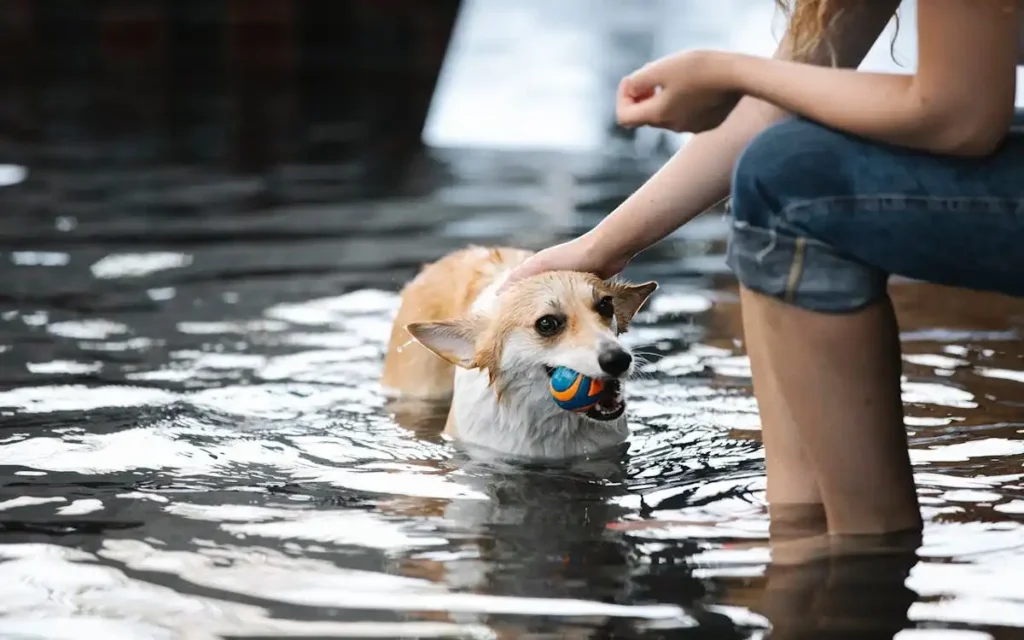
What’s remarkable is that this ability emerges naturally during play with their owners, without formal training. Dogs learn to associate words with actions and then apply those labels to new objects as they encounter them. This not only highlights the depth of canine cognition but also provides insight into the evolution of language-related skills in non-human species.
This ability to extend verbal labels for functional classification means that dogs know how toys work at a deeper level—they don’t just memorize names, they understand the underlying purpose of objects and can use that knowledge to interact with new toys in meaningful ways.
Finally
Dogs know how toys work, and this is more than just a cute trick—it’s a sign of their advanced cognitive abilities. The latest research in 2025 shows that dogs can categorize toys by function, remember how they work, and apply this knowledge to new toys. This ability is linked to curiosity, memory, and natural learning, and it helps dogs form a deeper understanding of the world around them.
For dog owners, this means that playtime is not just about fun—it’s also about learning and bonding. By choosing the right toys and encouraging natural play, owners can help their dogs stay mentally active and happy. As research continues, we will learn even more about how dogs think and how they know how toys work, deepening our appreciation for these amazing animals.
For More Details Visit Talent Dogs
Leave a Reply