
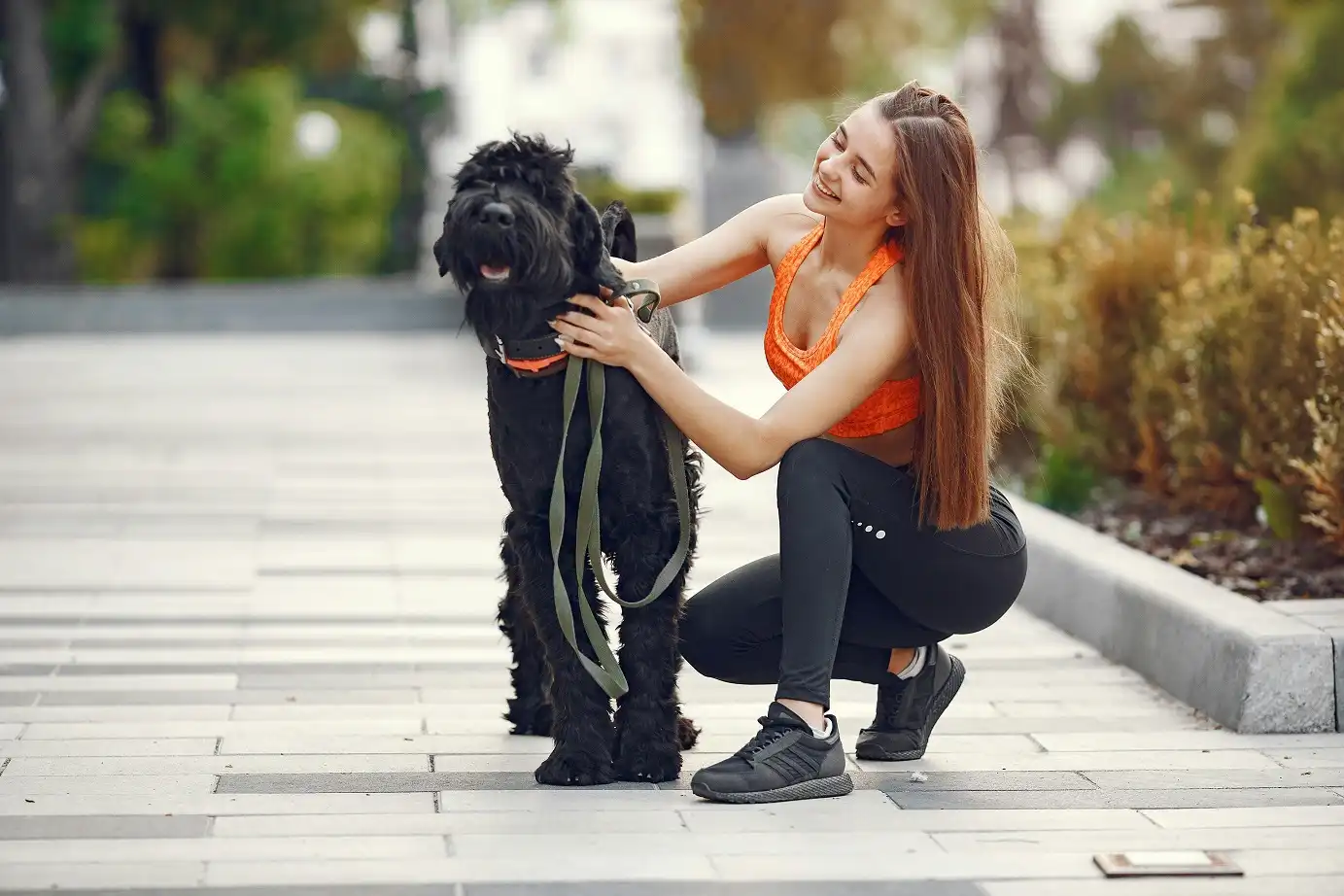
Bringing a dog into your life is a joyful experience, but it also comes with significant responsibilities. Being a responsible dog owner means going beyond just feeding and walking your pet. It involves understanding their needs, respecting community rules, and ensuring their health, safety, and happiness.
In 2025, new laws and guidelines in India and around the world have made it even more important for dog owners to stay informed and proactive. The Talent Dogs expert share the 75 practical ways to be a responsible dog owner, helping you create a loving, safe, and harmonious environment for your furry friend and those around you.
Why Responsible Dog Ownership Matters
A responsible dog owner is someone who prioritizes their dog’s well-being, follows legal requirements, and considers the impact of their pet on the community. In recent years, cities like Ahmedabad and Mumbai have introduced stricter rules for pet dog registration, vaccination, and public behavior.
These changes are designed to protect both pets and people, reduce conflicts in housing societies, and promote a culture of compassion and accountability. By embracing these responsibilities, you not only ensure your dog’s happiness but also set a positive example for others.
1. Prepare for Your Dog’s Arrival
Before bringing a dog home, make sure you’re ready for the commitment. This includes:
- Researching breeds to find one that fits your lifestyle.
- Dog-proofing your home by removing hazards like toxic plants and loose wires.
- Buying essentials such as food, water bowls, a collar, leash, bed, and toys.
- Setting up a safe, comfortable space for your dog to rest and play.
- Creating a schedule for feeding, walks, and grooming.
- Establishing house rules and ensuring all family members are aware of them.
2. Prioritize Health and Wellness
A healthy dog is a happy dog. Responsible owners take proactive steps to keep their pets in top shape:

- Schedule regular vet checkups and vaccinations.
- Feed a balanced diet tailored to your dog’s age, size, and breed.
- Provide fresh, clean water at all times.
- Prevent diseases like heartworm and Lyme with vet-recommended treatments.
- Clean your dog’s teeth regularly to prevent dental issues.
- Keep your dog fit and trim with exercise and portion control.
- Be aware of breed-specific health risks and monitor for changes as your dog ages.
- Know when to seek veterinary help or consider humane end-of-life care.
3. Ensure Proper Identification and Safety
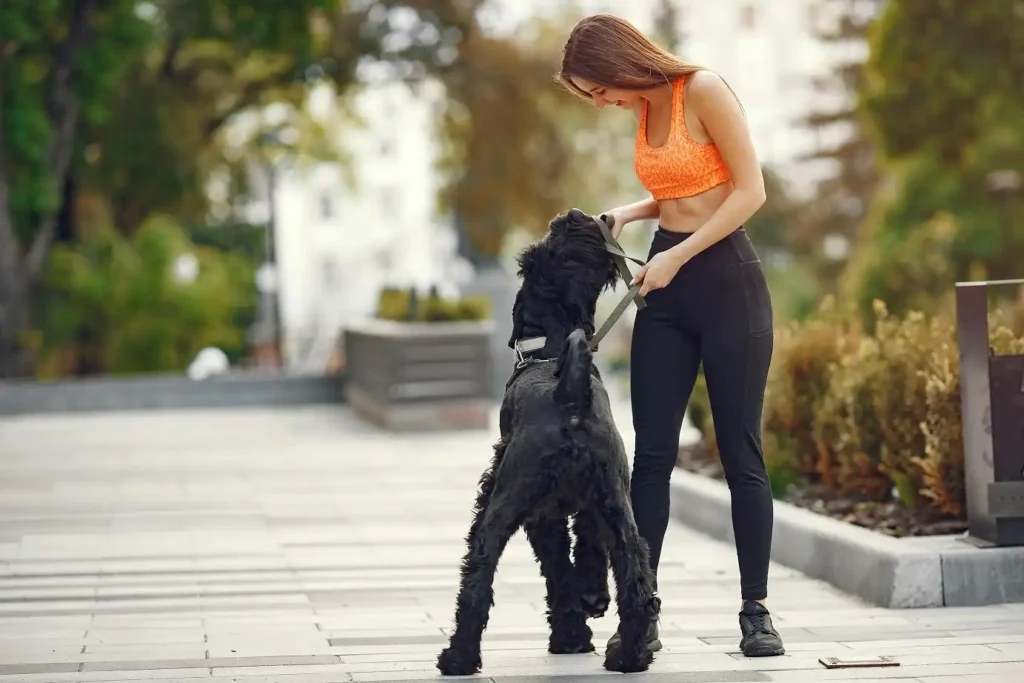
Losing a dog is every owner’s nightmare. Protect your pet with these simple steps:
- Attach a collar with an ID tag that includes your contact information.
- Microchip your dog for permanent identification.
- Keep registration and vaccination records up to date.
- Use a leash in public areas to prevent accidents or escapes.
- Secure your yard with a fence or use a run if you don’t have a yard.
- Use a travel crate or seat belt harness when traveling by car.
- Create an emergency kit with food, water, first-aid supplies, and your vet’s contact info.
- Establish an emergency contact who can care for your dog if you’re unable to.
4. Train and Socialize Your Dog
Training and socialization are key to raising a well-behaved, confident dog:
- Teach basic commands like sit, stay, come, and down.
- Socialize your dog by exposing them to different people, animals, and environments.
- Supervise play with children to ensure safety for both.
- Give your dog a sense of purpose with tasks like fetching or carrying items.
- Address aggressive behavior through training or therapy.
- Be patient and consistent with training, using positive reinforcement.
5. Respect Your Community
A responsible dog owner considers the impact of their pet on neighbors and the wider community:

- Clean up after your dog in public spaces and common areas.
- Keep your dog on a leash in parks, streets, and housing society premises.
- Avoid letting your dog bark excessively, especially at night.
- Don’t force your dog’s company on neighbors who are uncomfortable with dogs.
- Participate in community efforts to maintain cleanliness and safety.
- Report stray dogs or animal cruelty to local authorities.
- Support humane stray dog management programs.
6. Provide Enrichment and Mental Stimulation
Dogs need more than just food and shelter—they thrive on mental and physical stimulation:

- Rotate toys to keep your dog entertained.
- Plan activities and trips, such as visits to the beach or dog park.
- Include your dog in family outings when possible.
- Try new experiences like training classes or dog parades.
- Create a designated pet care station at home for easy access to supplies.
- Make grooming a relaxing experience with treats and praise.
7. Stay Informed and Adaptable
The world of dog ownership is constantly evolving. Stay updated on new laws, guidelines, and best practices:

- Follow local municipal rules for pet registration, licensing, and vaccination.
- Be aware of changes in housing society policies regarding pets.
- Join dog owner communities or online forums to share tips and advice.
- Adapt your care routine as your dog ages or their needs change.
- Seek professional advice from veterinarians or trainers when needed.
8. Be a Canine Ambassador
As a dog owner, you represent all pet parents in your community. Set a good example by:
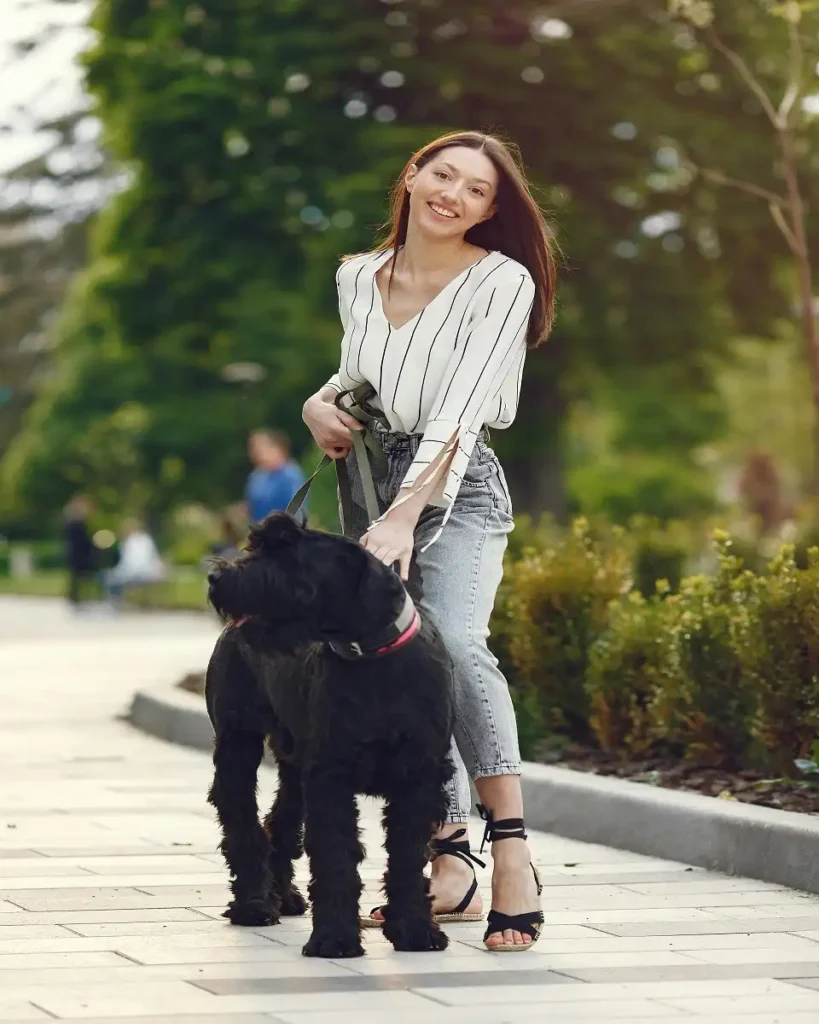
- Owning a friendly, clean, and well-mannered dog.
- Respecting public spaces and following local regulations.
- Educating others about responsible dog ownership.
- Supporting animal welfare initiatives and humane treatment of all animals.
75 Ways to Be a Responsible Dog Owner by Talent Dogs
Here are all 75 ways to be a Responsible Dog Owner, organized by key categories that cover health, behavior, safety, and legal responsibilities:

Daily Health and Wellness
- Feed a balanced diet meeting 2025 nutrition guidelines.
- Consult your vet for a diet based on your dog’s needs.
- Provide fresh, clean water at all times.
- Maintain regular meal and sleep routines.
- Monitor your dog’s weight and body condition.
- Schedule regular wellness vet exams.
- Get baseline lab tests in early adulthood.
- Use parasite preventatives year-round.
- Watch for changes in appetite or behavior.
- Use tele-vet services for minor health questions.
Exercise and Mental Enrichment
- Give daily walks suited to your dog’s breed and age.
- Vary exercise activities like fetch, jogging, or hiking.
- Use puzzle feeders and scent games as mental challenges.
- Practice short obedience training sessions daily.
- Use low-impact games for older or disabled dogs.
- Explore dog sports like agility or nose work.
- Rotate toys to keep play interesting.
- Provide safe chewing options.
- Allow supervised off-leash time in safe areas.
- Avoid over-exercising puppies and seniors.
Grooming, Hygiene, and Home Care

- Brush your dog’s coat regularly.
- Use vet-approved gentle shampoos.
- Check and clean ears weekly.
- Trim nails regularly.
- Clean around eyes as needed.
- Brush teeth with pet toothpaste or use dental chews.
- Wash bedding, toys, and bowls often.
- Use pet-safe cleaning products at home.
- Provide a well-ventilated, comfortable living area.
- Offer a quiet sleeping place.
Vaccination, Parasites, and Vet Care Updates for 2025
- Follow current vaccination schedules.
- Keep digital or physical vaccination records.
- Discuss non-core vaccines with your vet.
- Follow updated 2025 nutrition guidelines.
- Keep parasite prevention active year-round.
- Schedule senior dog checkups at least twice annually.
- Review diet annually for changing health needs.
- Save emergency vet contacts on your phone.
- Maintain a basic dog first-aid kit.
- Learn urgent health warning signs.
Training, Socialization, and Behavior

- Socialize puppies early with people, sounds, and dogs.
- Use positive reinforcement methods.
- Teach basic obedience commands.
- Reward calm, good behavior consistently.
- Train loose-leash walking.
- Use humane, well-fitted collars and harnesses.
- Seek professional help for severe behavior issues.
- Introduce your dog gently to children and elderly.
- Learn to read canine body language.
- Respect your dog’s comfort limits.
Emotional Well-Being and Bonding
- Spend quality time daily for play and quiet bonding.
- Maintain predictable daily routines.
- Provide safe quiet spaces during loud events.
- Use calming aids under vet guidance if needed.
- Avoid leaving your dog alone for excessive hours.
- Introduce family or home changes gradually.
- Speak calmly and avoid shouting.
- Watch for stress signals like licking or pacing.
- Play interactive bonding games.
- Enforce consistent, fair rules.
Safety at Home and in Public

- Use strong leash and secure harnesses outdoors.
- Keep ID tags and microchip info updated.
- Secure fences, gates, and balconies.
- Keep toxic foods and chemicals out of reach.
- Store medicines and sharp objects safely.
- Use car restraints or crates during travel.
- Avoid hot pavement or icy surfaces.
- Pick up and dispose of dog waste properly.
- Respect others in shared spaces.
- Never allow unsupervised roaming.
Legal Duties and 2025 Policy Changes
- Register and license your dog as required.
- Keep registration and vaccine records current.
- Be aware that owners are fully liable for damages.
- Follow community and housing pet policies.
- Comply with leash, muzzle, and noise rules.
These 75 ways help you fulfill your role as a responsible dog owner in 2025, ensuring your dog’s health, happiness, and safety while respecting your community and adhering to new regulations.
Essential Responsibilities of a Responsible Dog Owner
| Responsibility | Description | 2025 Update/Tip |
| Regular Vet Checkups | Schedule annual or bi-annual visits for health assessments and vaccinations. | Many cities now require proof of vaccination for registration. |
| Proper Identification | Use ID tags and microchipping for easy recovery if lost. | Microchipping is increasingly recommended for all dogs. |
| Leash in Public | Always use a leash in public areas to ensure safety. | Some cities mandate leashes and muzzles for certain breeds. |
| Clean Up After Dog | Dispose of waste properly in public and common areas. | Housing societies may impose fines for non-compliance. |
| Training and Socialization | Teach basic commands and expose dog to various environments. | Socialization is crucial for preventing aggression and anxiety. |
| Emergency Preparedness | Have a disaster plan and emergency kit ready. | Update microchip info and practice safety drills regularly. |
| Respect Community Rules | Follow housing society and municipal guidelines for pets. | New rules in 2025 focus on accountability and public safety. |
| Humane Stray Dog Management | Support sterilization and vaccination programs for strays. | ABC (Animal Birth Control) programs are expanding in urban areas. |
Finally
Being a responsible dog owner is about more than just loving your pet—it’s about making thoughtful choices every day to ensure their health, safety, and happiness. By following these 75 tips and staying informed about the latest updates in 2025, you can create a positive impact on your dog’s life and your community.
Remember, every small action you take as a responsible dog owner contributes to a better world for pets and people alike. Whether you’re a new dog parent or a seasoned owner, there’s always room to learn and grow. Embrace the journey, and enjoy the unconditional love and companionship that only a dog can offer.
For More Details Visit Talent Dogs
Leave a Reply