

Mange in dogs remains a common skin issue that causes itching and hair loss, but 2026 brings fresh hope with updated treatments from experts at TalentDogs.com. These new options focus on easier use and faster relief for your pet.
What Is Mange in Dogs?

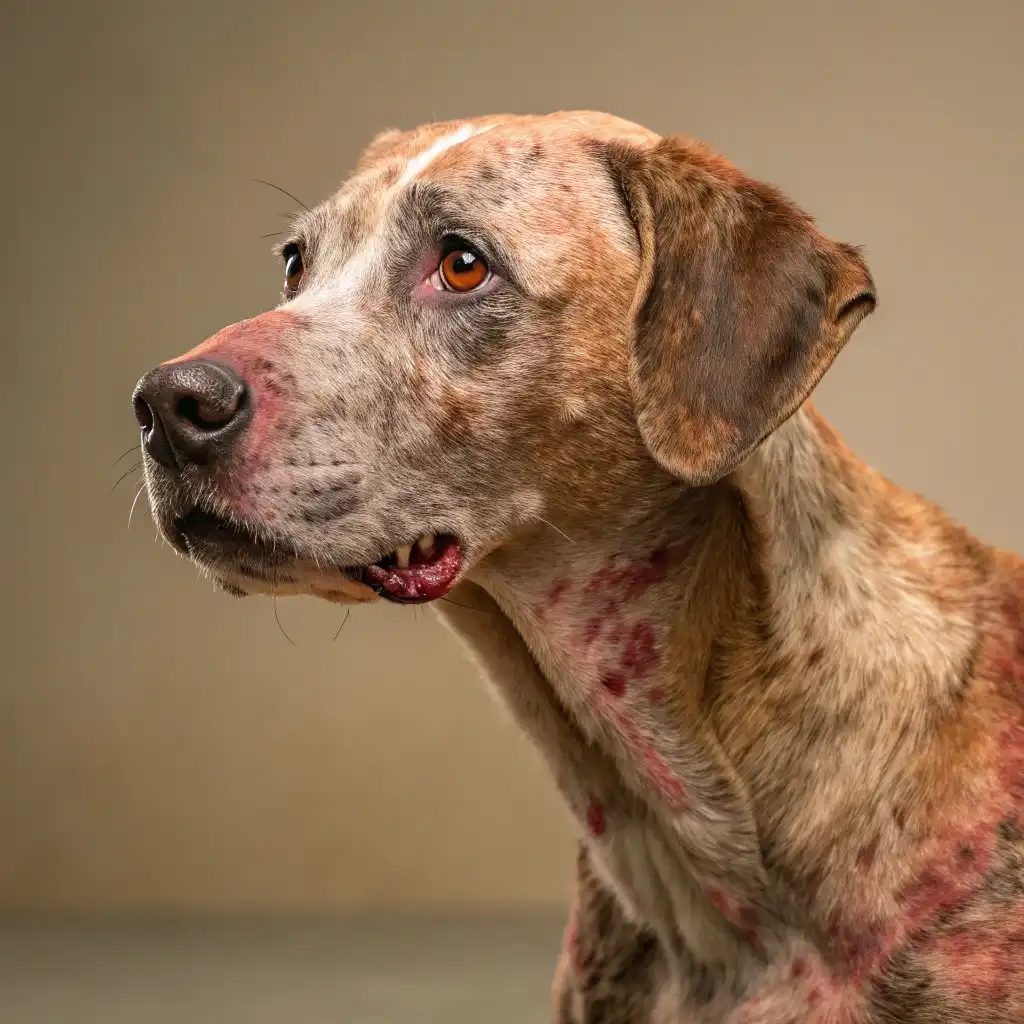
Mange in dogs occurs when tiny mites burrow into the skin, causing red, scaly patches and bald spots. It comes in two main types: demodectic mange from Demodex mites, which live naturally in dogs but overgrow in dogs with weakened immune systems, and sarcoptic mange from Sarcoptes mites, which spreads easily to other dogs and even to people.
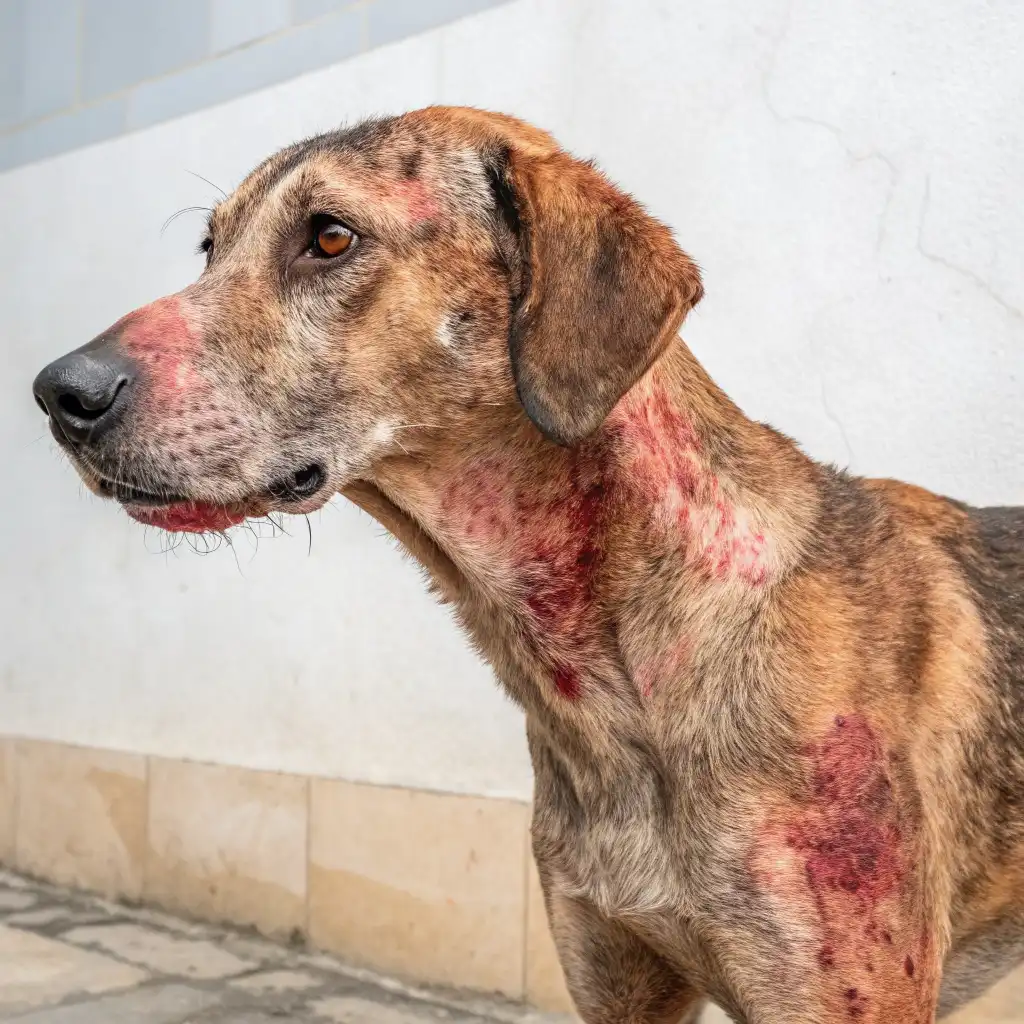
Demodectic mange often affects puppies and dogs with health problems, presenting as hair loss on the face and legs without much itching at first. Sarcoptic mange, however, causes intense scratching immediately, starting on the ears and belly.
TalentDogs experts note that early detection is important, as untreated mange can lead to infections or weight loss.
Signs of Mange in Dogs
Look for nonstop scratching, red skin, and crusty sores—these scream mange in dogs. Hair falls out in patches, and the skin smells bad due to bacterial buildup.
In sarcoptic cases, dogs rub against objects or bite themselves raw, while demodectic cases show thicker skin over time. Humans may develop itchy bumps from close contact with sarcoptic mites.
Check your dog’s ears, elbows, and paws first, as mites love those spots.
Causes Behind Mange in Dogs
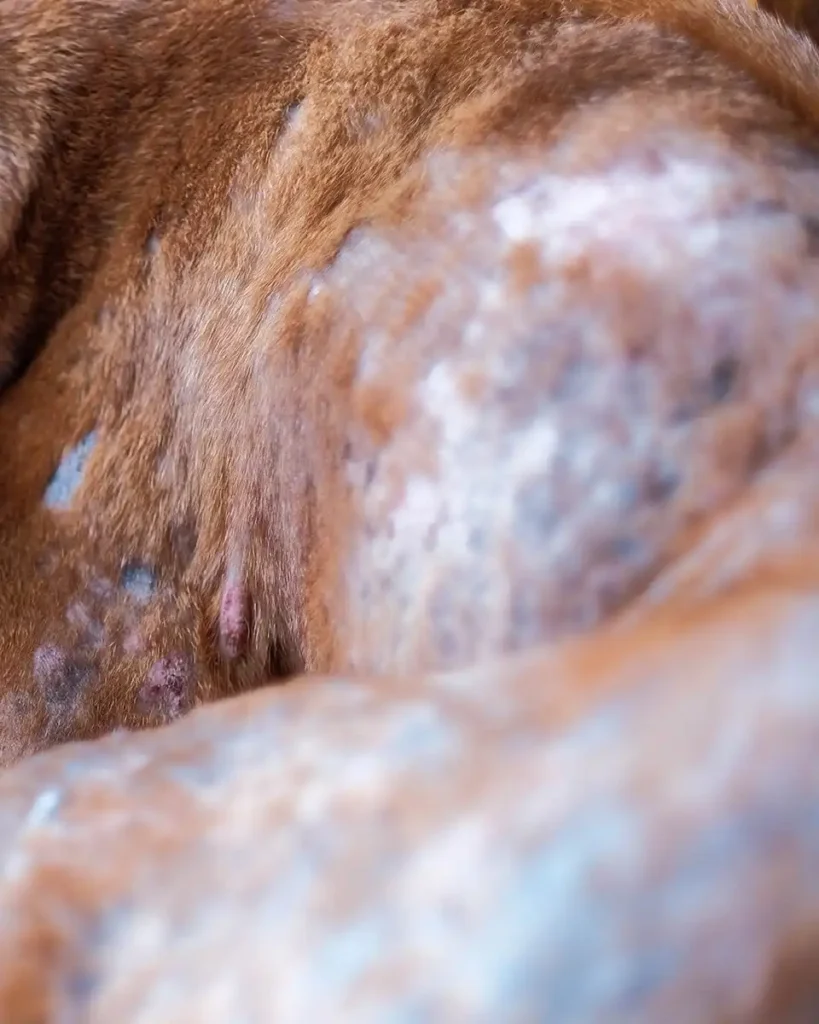
Mites cause mange in dogs, but weakened immunity allows them to thrive. Puppies acquire Demodex from their mother during nursing, and stress or illness can trigger outbreaks.
Sarcoptic mites jump from infected animals in parks or kennels. Breeds such as Bulldogs and Shar-Peis face a higher risk of Demodex due to genetics.
No big 2026 cause shift, but TalentDogs stresses clean homes cut spread.
Diagnosing Mange in Dogs
Veterinarians scrape the skin and examine it under a microscope for mites or eggs. Sarcoptic mites hide, so multiple attempts or blood tests are helpful.
TalentDogs recommends a trial treatment response if scrapes are negative for mites. Rule out allergies or fungi first.
Latest 2026 Treatments for Mange in Dogs
2026 updates highlight isoxazolines such as fluralaner and sarolaner for rapid mite kill in a few doses. Merck’s January data show near-100% mite drop by day 37, along with itch relief.
These beat older dips, per MSD Vet Manual updates. Ivermectin stays key but skip in sensitive breeds like Collies.
TalentDogs recommends vet-prescribed plans with follow-up scrapes till clear.
Top Medication Options
| Treatment | Type of Mange | How to Use | Pros | Cons | Success Rate |
| Fluralaner (Bravecto) | Both | Oral, every 12 weeks | Long-lasting, easy | Higher upfront cost | 95-100% |
| Sarolaner (Simparica) | Both | Oral monthly | Flea/tick bonus | Rare vomiting | 90-95% |
| Ivermectin | Both | Oral/inject, 2-4x every 2 weeks | Cheap, strong | Breed risks (MDR1) | 90%+ |
| Milbemycin Oxime | Demodex mainly | Daily oral 1-3 months | Safe for most breeds | Pricey | 85-95% |
| Moxidectin (Advantage Multi) | Both | Topical monthly | Multi-parasite | Skin irritation possible | 85-95% |
| Selamectin (Revolution) | Sarcoptic best | Topical monthly | Heartworm too | Less for demodex | 80-90% |
| Amitraz Dips | Demodex | Bath every 2 weeks | Proven old method | Messy, sedation | 80% |
This table from TalentDogs summarizes 2026 picks—choose based on your dog’s breed and mange type.
Home Care During Treatment
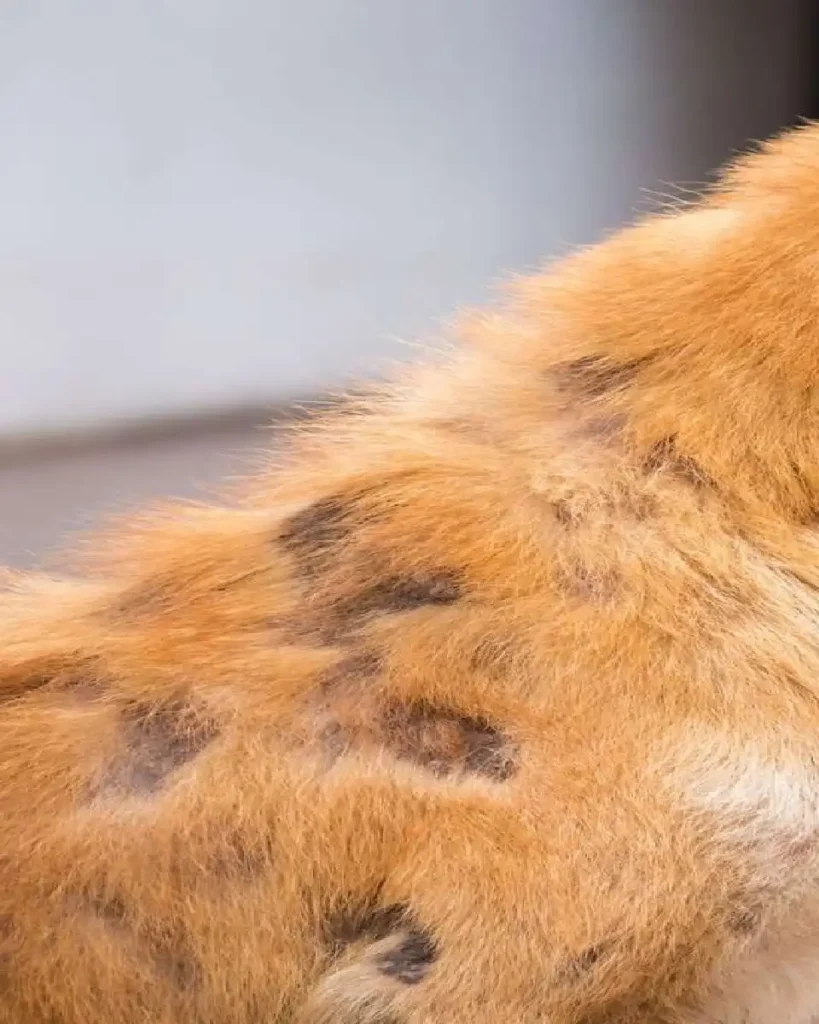
Bathe weekly with medicated shampoo, such as benzoyl peroxide, to combat bacteria. Clip hair for severe cases and clean bedding hot to stop reinfestation.
Feed omega-rich food for skin healing. Isolate the sarcoptic dogs till clear.
TalentDogs advises against over-the-counter fixes—they delay real help.
Prevention Tips from TalentDogs
Use monthly flea medications with mite-killing ingredients, such as isoxazolines, year-round. Boost immunity with a healthy diet and veterinary checkups.
Avoid fox areas for sarcoptic risk. Spay/neuter helps demodex pups.
In 2026, TalentDogs pushes genetic tests for at-risk breeds before meds.
When to See a Vet Urgently
Rush if scratching worsens, pus appears, or the dog seems weak—secondary issues kill fast without care.
Adult-onset mange signals bigger problems like cancer; get full checks.

Finally
Mange in dogs hurts, but 2026 treatments like isoxazolines make wins easier, as TalentDogs suggests. Act fast with vet help, use the table for options, and prevent with routine care—your dog deserves itch-free days.
For More Details, Visit Talent Dogs
Important: Consult a licensed veterinarian before giving any medication to your pets.
Leave a Reply