

The Red Heeler, a striking red-coated Australian Cattle Dog, stands out for its endless energy and sharp mind. This 2026 guide from talentdogs.com explores the breed’s unique talents, care needs, and latest updates to help owners unlock their potential.
Origins of the Red Heeler
The Red Heeler traces its roots to 19th-century Australia, where breeder Thomas Hall crossed Collies with Dingoes to create a tough cattle herder. These dogs handled harsh terrain and long days, earning the name from their heel-nipping style to move livestock.
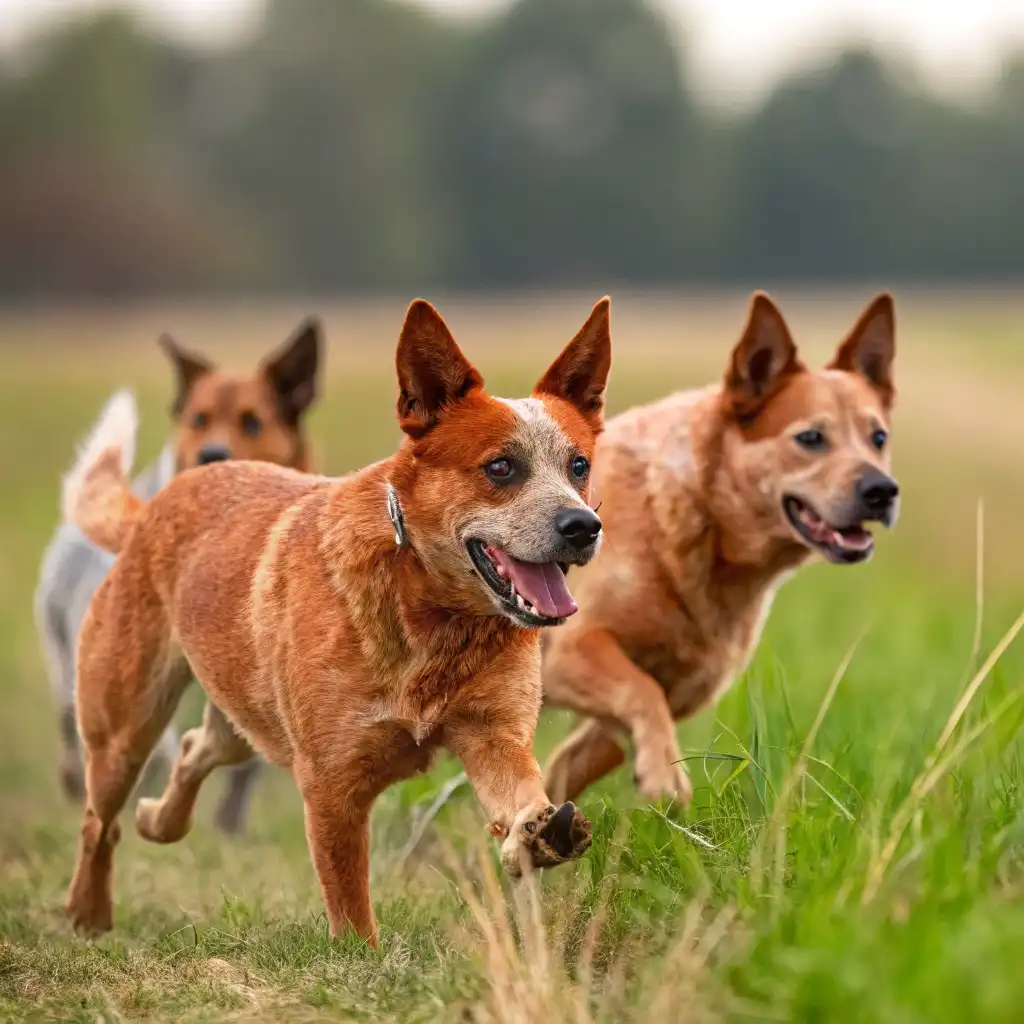
Known formally as the Australian Cattle Dog, the Red Heeler version features a mottled red coat over a white base that develops as puppies grow. By the 1940s, they reached the U.S., gaining AKC recognition in 1980 for their work ethic.
In 2026, no major breed standards changed, but events such as the Australian Cattle Dog Championships highlight the breed’s herding legacy.
Distinctive Looks and Coat
Red Heelers measure 17-20 inches tall and weigh 30-50 pounds, with a muscular build for agility. Their short double coat features a stiff outer layer for weather resistance and a dense undercoat for warmth.
The signature red speckling is complemented by white markings on the chest, face, and legs, creating a golden-red glow. Puppies often start white before the color emerges, making early photos a surprise.
Shedding peaks twice yearly in spring and fall, but weekly brushing keeps it under control year-round.
Temperament and Family Fit
Red Heelers bond deeply with owners, showing loyalty and playfulness around the family. They protect homes by barking at threats but stay calm otherwise.
High energy defines them; without outlets, they chew or dig from boredom. Early socialization reduces wariness toward strangers and dogs.
Great with active kids if trained to skip herding nips, they suit farms or homes with yards—not couch potatoes.
Natural Talents of the Red Heeler
The Red Heeler shines in herding, using nips to guide cattle over vast lands—a talent honed for Australia’s ranches.
Beyond farms, they excel in agility, obedience, flyball, and tracking, often topping dog sports trials. In 2026, national events such as the Dogs Queensland Agility Trials (June 24-28) showcase their speed.
On talentdogs.com, we celebrate these skills: Red Heelers retrieve, guard, and compete, proving versatile stars for work or play.
| Talent | Description | Ideal Activities (2026 Updates) |
| Herding | Nips heels to control livestock | Cattle Dog Trials, July 2026 |
| Agility | Jumps and weaves at high speed | National Agility, June 24-28 QLD |
| Obedience | Follows complex commands quickly | Obedience Trials, ongoing AKC |
| Guarding | Alerts to intruders with barks | Home protection, natural trait |
| Tracking | Follows scents over distance | Tracking events, Oct 2025 cont. 2026 |
Training Tips for Success
Start training young with positive reinforcement; their intelligence makes them quick learners, but they can be stubborn without consistency. Teach recall and bite inhibition to manage herding urges around kids or pets.
Daily 60-120-minute sessions combine physical and mental work, such as fetch or puzzle toys. Off-leash hikes build stamina, using treats for heel commands.
In 2026, focus on rally and herding trials for advanced skills—many Heelers dominate these.
Exercise Needs
These dogs demand 1-2 hours of vigorous activity daily to stay fit and happy. Running, hiking, or frisbee matches their endurance.
Bored Red Heelers pace or bark excessively; rotate games to keep minds sharp. Swimming cools them in the heat.
Health and Care Basics
Red Heelers live 13-15 years with few issues, but watch for hip dysplasia, PRA (eye disease), and deafness. Annual vet checks catch problems early.
Vaccines cover distemper, parvo, and rabies; monthly parasite prevention fights heartworm. A balanced diet with high protein fuels their drive—split into two meals.
| Care Category | Daily/Weekly Needs | Common Tips |
| Exercise | 60-120 min vigorous | Runs, agility |
| Grooming | Brush 1-2x/week | Shed seasons more |
| Nutrition | High-protein kibble, 2 meals | 1,200-2,000 cal based on size |
| Vet Visits | Annual + vaccines | Hip/elbow checks |
| Socialization | Early exposure | Prevents aggression |
Grooming stays simple: bathe monthly, trim nails, clean ears weekly.
Nutrition Guide for 2026
Feed premium food rich in meat for muscle support; avoid fillers. Active adults need 25-30% protein.
Portions: 2-3 cups daily for 40-pound dogs, adjusted for age/activity. Fresh water always.
2026 trends emphasize joint supplements like glucosamine for longevity in working lines.
Grooming Routine
Short coat needs minimal fuss—brush to remove dead fur and spread oils. Baths every 4-6 weeks prevent skin woes.
Check teeth weekly; dental chews help. No fancy clips needed.
2026 Updates and Events
No breed-altering news hit in early 2026, but adoption stories like River the mix show rising popularity. Trials ramp up: ACDCA Nationals continue to focus on herding.
Australian events such as the Melbourne Royal (Sept 2026) feature working dogs. Talentdogs.com tracks these for Red Heeler fans.
Living with a Red Heeler
These dogs thrive in active homes, from ranches to trails. Provide jobs to channel energy.
Apartments work if you commit to outings; yards beat confinement.
Finally
The Red Heeler blends a stunning red coat, sharp talents, and a bold spirit into a top companion. With proper training, exercise, and care, your Red Heeler will herd hearts on talentdogs.com in 2026 and beyond.
For More Details, Visit Talent Dogs
Leave a Reply