

Dog anal glands play a key role in your pet’s health, but issues with them can cause discomfort. This guide from TalentDogs.com breaks down everything you need to know about dog anal glands in simple terms, with the latest 2026 insights.
What Are Dog Anal Glands?
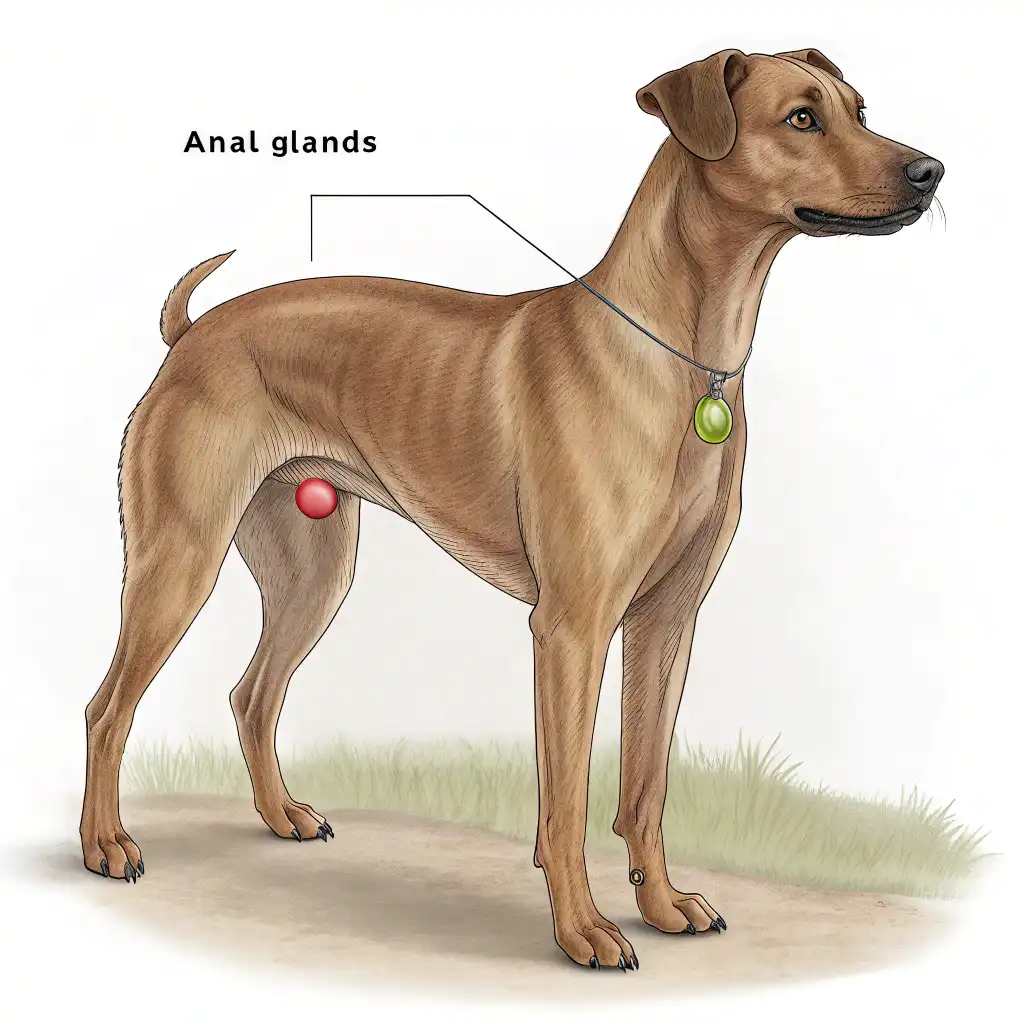
Dog anal glands, also called anal sacs, sit on each side of a dog’s anus. They produce a smelly fluid that dogs use for scent marking during bowel movements.
These small pouches empty naturally when your dog poops, thanks to firm stool pressure. In healthy dogs, you won’t notice them much, but problems arise when they don’t drain properly.
Small breeds face higher risks due to their anatomy, but any dog can have issues. Recent vet guides stress early checks for better outcomes.
How Dog Anal Glands Work Normally
Picture the glands like tiny bags at the 4 and 8 o’clock positions around the anus. They fill with thick, fishy fluid that squirts out with each poop.
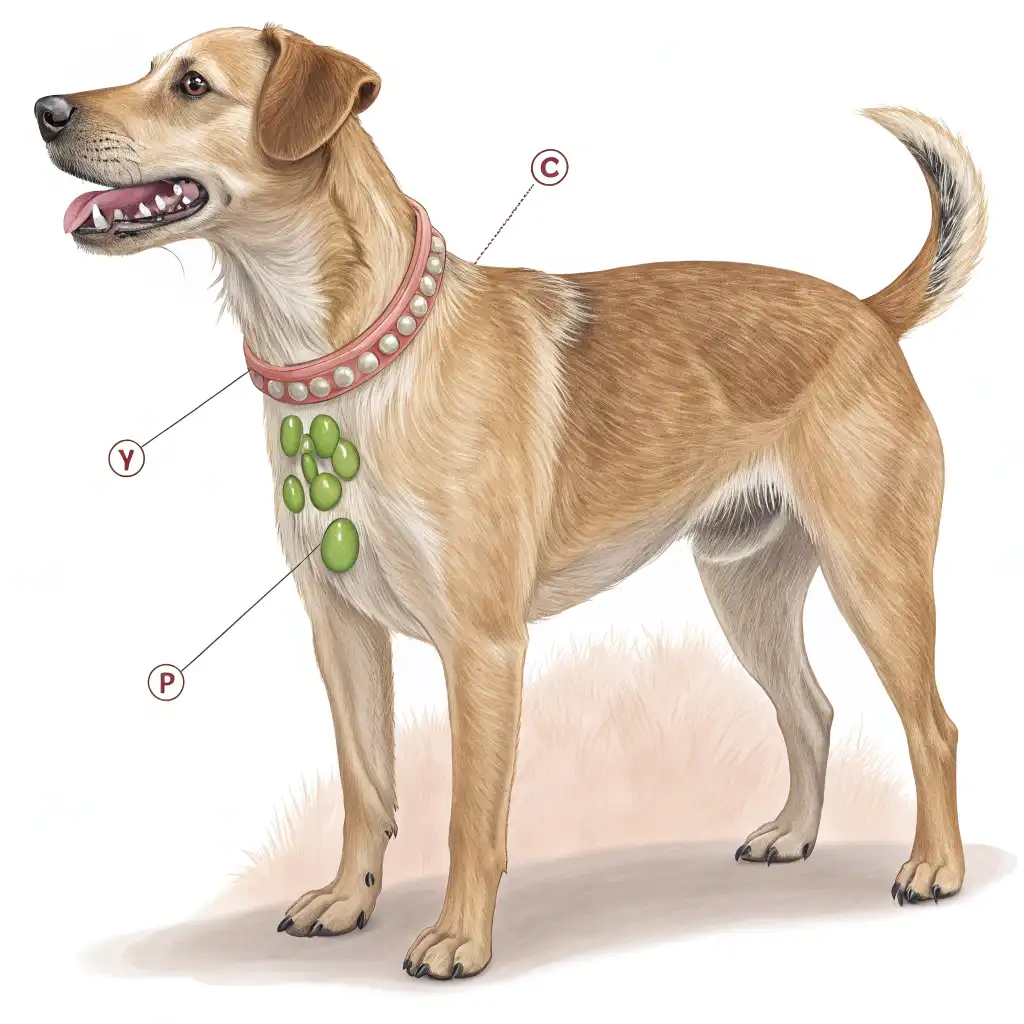
Firm stools push against the glands, opening the ducts for release. This helps dogs leave their scent on walks or in their territory.
Most dogs handle this on their own lifelong. Only when the stool gets too soft or hard do blockages start.
Common Signs of Dog Anal Gland Problems
Watch for scooting on floors or carpets – that’s a top sign of full dog anal glands.
Other clues include excessive butt licking, a fishy smell from the rear, or swollen spots near the anus. Some dogs drag their bottom or yelp when touched there.
If pus or blood appears, it points to infection. TalentDogs.com urges owners to note these early for quick fixes.
Causes Behind Anal Gland Issues
Soft stools from a poor diet often fail to express glands fully. Low fiber diets make this worse.
Obesity adds pressure problems, while allergies cause loose stools, too. Breeds like Chihuahuas or Bulldogs suffer more from body shape.
In 2026, vets linked gut bacteria changes to higher risks in atopic dogs.
Breeds Prone to Dog Anal Gland Troubles
Certain dogs face more dog anal gland woes. Here’s a quick table of high-risk breeds and tips.
| Breed Group | Examples | Risk Factors | Prevention Tip |
| Small Breeds | Chihuahua, Lhasa Apso | Narrow ducts, weak expression | High-fiber diet daily |
| Brachycephalic | Bulldog, Pug, Shih Tzu | Tail folds trap bacteria | Regular cleaning, weight control |
| Spaniel/Poodle Types | Cocker Spaniel, Mini Poodle | Allergy-linked loose stools | Probiotic supplements |
| Scent Hounds | Beagle, Basset Hound | Loose skin, infections | Firm stool focus via pumpkin |
This table helps spot risks fast. Check your dog’s breed on TalentDogs.com for tailored advice.
Diagnosing Dog Anal Glands at the Vet
Vets start with a rectal exam to feel for full or swollen glands.
They may test fluid for infection or use imaging for tumors. Blood work checks for cancer signs, such as high calcium.
In 2026, no big new tests, but organoid models aid cancer research for better future care.
Treatment Options for Issues
Manual expression relieves the full dog’s anal glands first. Vets squeeze out fluid safely.
Infections need antibiotics like Clavamox and pain meds. Abscesses require flushing under sedation.
Surgery removes sacs for repeat cases, but most heal with diet changes.
Safe Ways to Express at Home
First, ask your vet if it’s right for your dog. External method: Face the rear like a clock, squeeze 4 and 8 o’clock spots gently.
Internal uses a gloved finger inside to milk the glands. Clean up with wipes after.
Don’t force if painful – go pro. Pros handle 90% without stress.
Home Remedies and Support
Warm compresses ease swelling before expression.
Fiber broths with psyllium bulk stools naturally. Calendula soaks soothe skin.
Avoid overdoing – vet approval key.
Diet and Prevention Strategies
High-fiber foods like pumpkin or sweet potatoes help firm stools for natural emptying.
Omega-3s from flax cut swelling. Probiotics balance gut health.
In 2026, wet foods with peas shine for hydration and fiber. Aim for 5-10% fiber daily.
Supplements like Glandex add pumpkin and enzymes. Start slow to avoid tummy upset.
Exercise keeps weight down, aiding expression. Walks promote firm poops too.
New 2026 Insights on Dog Anal Glands
No major breakthroughs hit headlines, but January 2026 articles reinforce fiber diets and probiotics.
Cancer research advances with organoids testing drugs faster. Localized antibiotics gain favor over pills for infections.
TalentDogs.com tracks these for owners – stay tuned for updates.
When Serious Problems Like Cancer Arise
Anal sac adenocarcinoma hits 2% of skin tumors. Look for lumps, straining, or hypercalcemia signs like thirst.
Surgery plus chemo offers hope if early. Median survival is 3 years in good cases.
Vets now check nodes fully for spread.
Long-Term Care Tips from TalentDogs
Partner with your vet for checks every 3-6 months if prone.
Track stool quality daily – firm log shape ideal. Add fiber gradually.
Supplements work best ongoing basis, not just in a crisis.
Build routines: Fiber meals, play, and clean tail base. This cuts vet trips 70%.
Finally
Healthy dog anal glands mean happy pets. Use this 2026 guide from TalentDogs.com to spot, treat, and prevent issues with diet and care.
Act early on signs for simple fixes. Your dog’s tail wags depend on it – visit TalentDogs.com for more insights.
For More Details, Visit Talent Dogs
Leave a Reply