
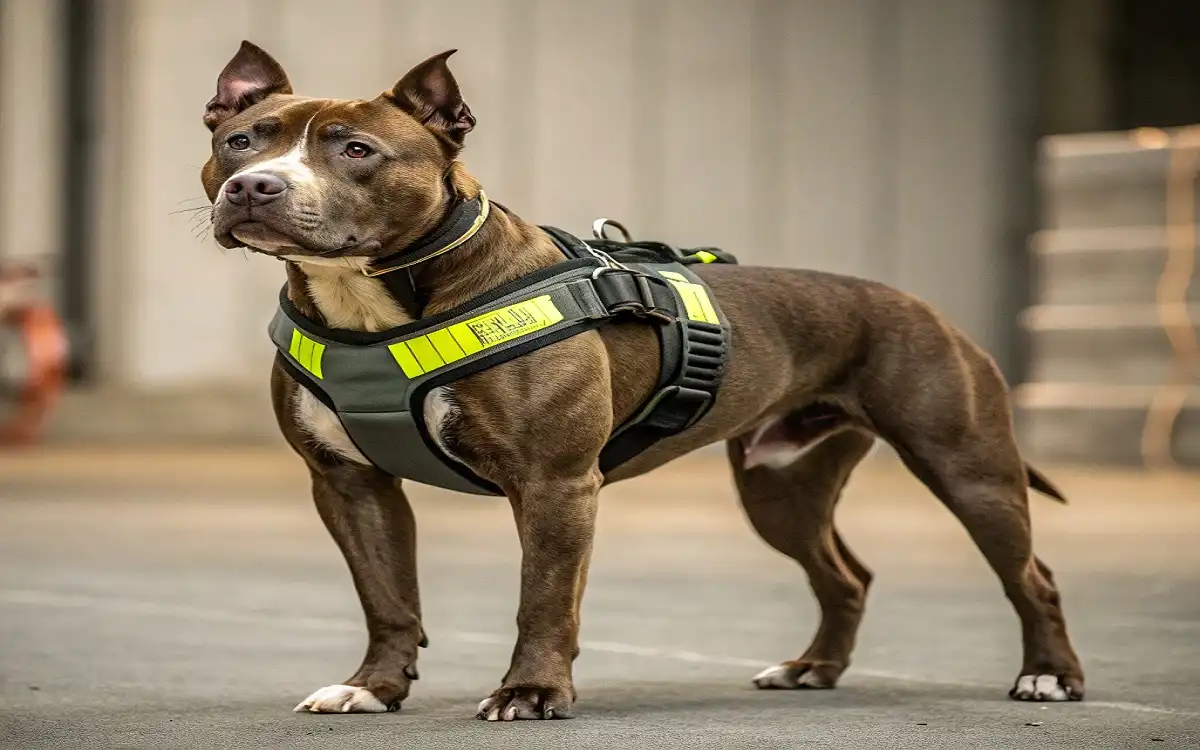
Pitbulls are strong and active dogs that need a reliable harness for safe walks and training. A good Pitbull Harness spreads pressure across the body to avoid neck strain and keeps your dog comfortable during long outings. Choosing the right one involves checking fit, materials, and features tailored to their muscular build.
Why Pitbulls Need Special Harnesses
Pitbulls have broad chests and powerful necks, making collars risky as they can cause choking or injury during pulls. Harnesses distribute weight evenly, offering better control without harm. Recent 2026 reviews highlight no-pull designs like updated PetSafe models with martingale loops for gentle redirection.
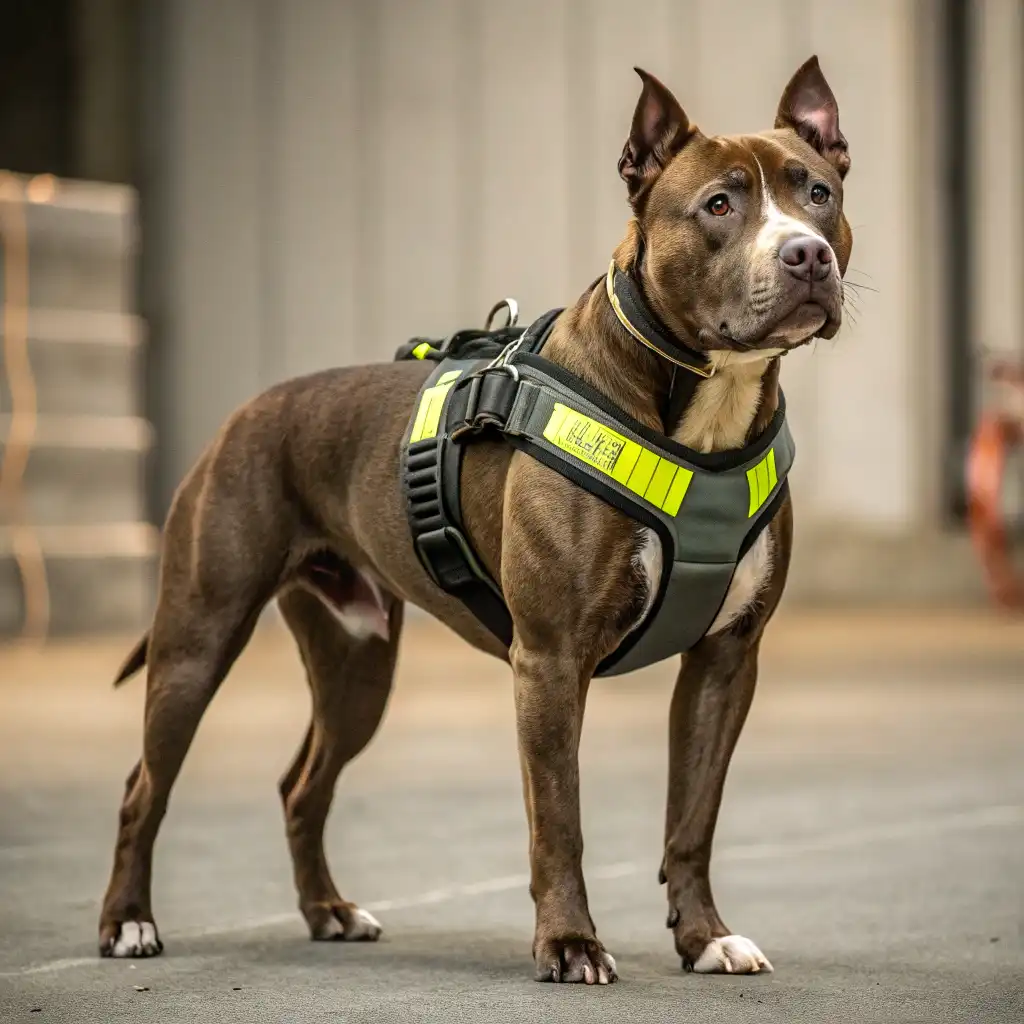
These tools suit daily walks, hikes, or car rides. They reduce escape risks and improve training by discouraging pulling. No major new Pitbull-specific releases appeared in early 2026 searches, but general harness updates emphasize padding and durability for strong breeds.
Key Factors for Comfort in a Pitbull Harness
Comfort starts with padding on the chest and straps to prevent rubbing on short coats. Breathable mesh or foam liners wick moisture during active play. Look for Y-shaped chest designs that avoid shoulder restriction.
Adjustability is vital—multiple straps allow custom fits for varying body types. Reflective strips boost visibility for night walks. Metal hardware must withstand Pitbull strength without rusting.
Types of Pitbull Harnesses Compared
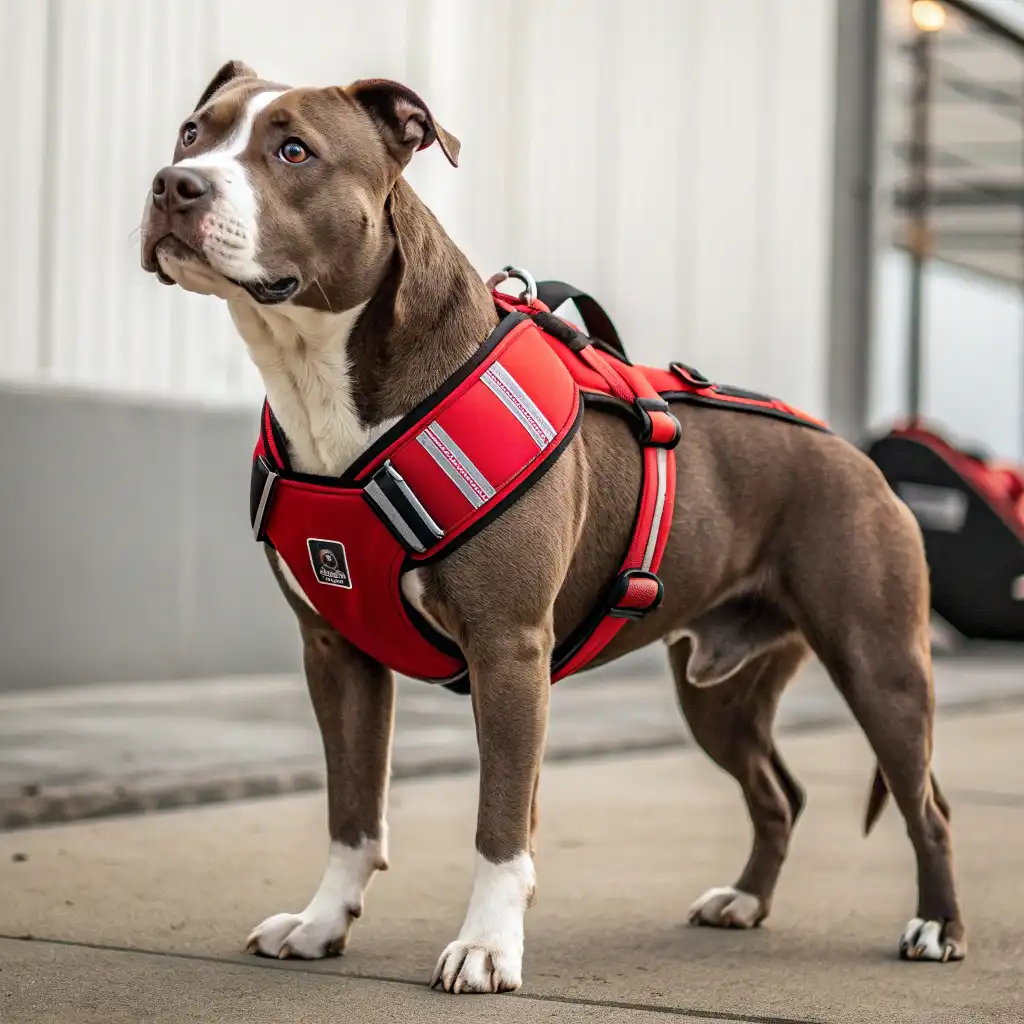
Different styles serve unique needs. Here’s a table comparing popular types based on expert guides.
| Type | Best For | Pros | Cons | Example Models |
| Front-Clip No-Pull | Pullers, training | Redirects forward motion, reduces strain | May shift if loose | PetSafe Easy Walk, Rabbitgoo |
| Back-Clip Standard | Calm walks, car use | Simple, versatile | Less pull control | Ruffwear Front Range |
| Step-In | Easy on/off, seniors | Quick wear, less head fuss | Limited adjustability | Quick Fit Harness |
| Padded Chest Plate | All-day comfort | Even pressure, no chafing | Bulkier | EzyDog Chest Plate |
| Handle Harness | Control in crowds | Quick grab, safety | Heavier | PoyPet No-Pull |
This table draws from 2025-2026 tests showing front-clip options excel for Pitbulls.
Proper Sizing for Your Pitbull
Measure chest girth behind front legs—at the widest point, typically 26-34 inches for adults. Females (30-50 lbs) often need Medium; males (50-85 lbs) Large/XL. Allow two fingers under straps for snug but free movement.
Weigh your dog and check brand charts—Pitbulls vary. Size up if between, then tighten. Test fit: no gaps at neck, no leg rubbing.
Materials and Durability Checks
Opt for nylon or polyester with reinforced stitching for strength. Leather suits rugged use but needs conditioning. Avoid thin straps that snap under pull.
Padded interiors like EVA foam or felt prevent sores. Waterproof options help in rain; machine-washable eases cleaning.
Safety Features to Prioritize
Dual clips (front/back) offer versatility—front for training, back for runs. Locking buckles stop escapes. Crash-tested models like Kurgo suit car travel.
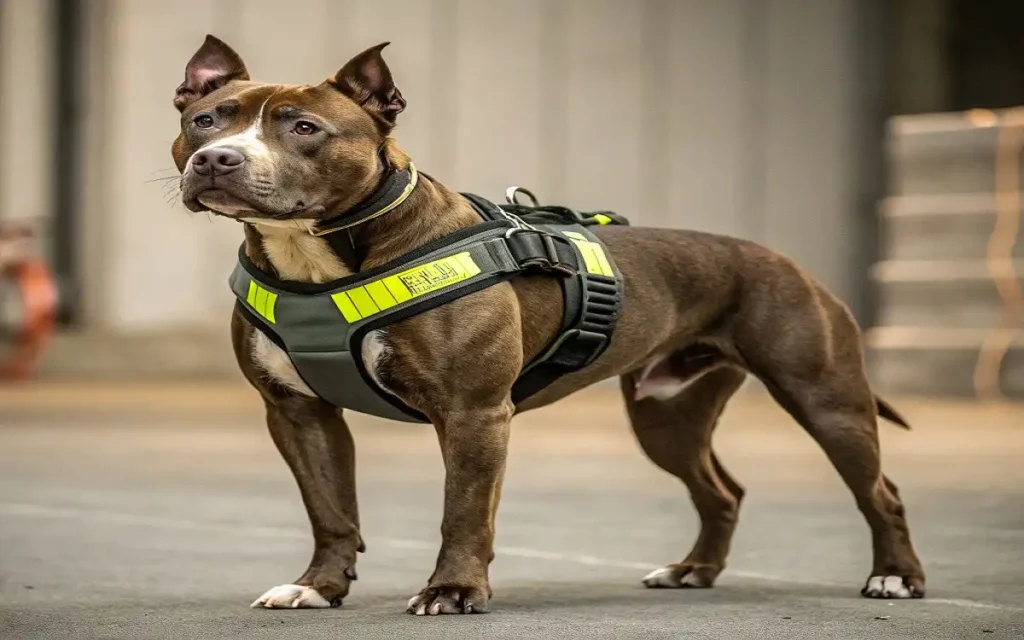
Handles aid quick control near traffic. Reflective elements ensure low-light safety.
Maintenance and Longevity Tips
Wash after muddy walks; air dry to preserve padding. Inspect for wear monthly—replace frayed straps. Store flat to avoid creases.
Budget $20-60 for quality; cheaper ones fail fast on Pitbulls.
Training with Your New Pitbull Harness
Introduce slowly with treats for positive links. Pair with loose-leash practice—reward calm walking. No-pull designs speed progress without force.
Common Mistakes to Avoid
Skipping measurements leads to poor fits. Over-tightening chokes; loose allows slips. Ignoring coat type causes chafing on short fur.
Don’t use collars for walks—harnesses protect tracheostomies.
Final Thoughts on Comfort-Focused Choices
Selecting a Pitbull Harness means balancing strength, fit, and padding for happy adventures. Prioritize adjustable, padded models from trusted tests—no 2026 overhauls noted, but staples like PetSafe and Ruffwear endure. Your dog deserves gear that matches their energy.
For More Details, Visit Talent Dogs
Leave a Reply