
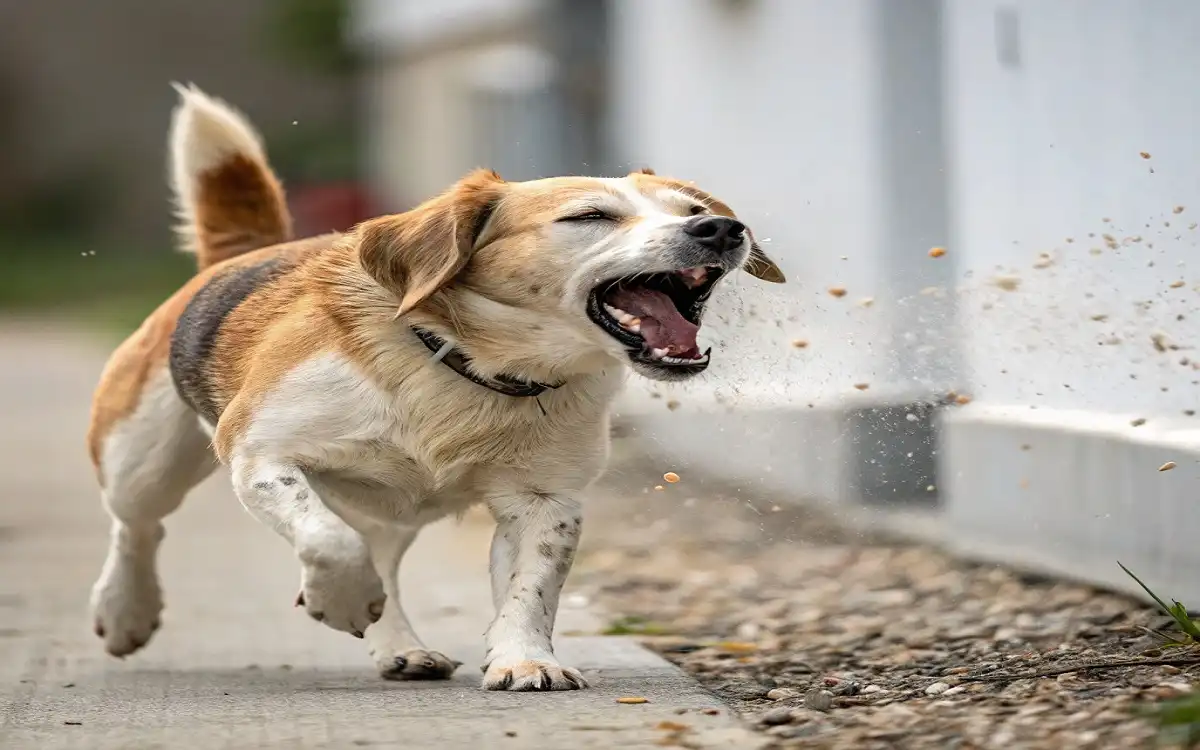
Dog reverse coughing and sneezing often alarms pet owners, but it usually signals a harmless reflex rather than a serious issue. This guide breaks down what it means, common triggers, and practical steps to help your furry friend. Recent vet resources confirm no major 2026 updates change core advice on this topic.
What Is Dog Reverse Coughing and Sneezing?

Dog reverse coughing and sneezing, known medically as reverse sneezing, looks dramatic. Your dog stands stiff, neck extended, eyes wide, making rapid snorting or honking sounds as it inhales forcefully through the nose. Unlike normal sneezing that pushes air out, this pulls air in to clear irritants from the nasal passages or throat.
This reflex lasts seconds to a minute and stops on its own. Small breeds like Chihuahuas or brachycephalic dogs such as Pugs experience it more often due to their anatomy. Owners mistake it for choking or a collapsed trachea, but video examples online show it’s distinct.
Why Does It Happen?
Irritants in the nose, sinuses, or throat spark this response. Everyday triggers include excitement after play, pulling on a collar, or sudden temperature shifts. Allergies to pollen, dust, or household scents also play a role, mimicking human hay fever.
Foreign objects like grass seeds or food particles get trapped, prompting the reflex. In multi-pet homes, nasal mites spread easily, causing repeated bouts. Structural issues in flat-faced breeds elongate the soft palate, narrowing airways.
Common Causes of Dog Reverse Coughing and Sneezing
Allergies and Environmental Irritants
Pollen, smoke, perfumes, or cleaning products inflame nasal tissues. Dogs with seasonal allergies reverse sneeze more in spring or fall. Grass seeds stuck in fur transfer irritants indoors.
Infections and Inflammation
Rhinitis or sinusitis builds mucus, triggering clearance efforts. Upper respiratory infections from kennel cough viruses add to this. Post-nasal drip feels like constant tickling.
Parasites and Foreign Bodies
Nasal mites or worm larvae burrow in, causing intense irritation. Tiny bugs from outdoors enter during sniffing. Rarely, inhaled seeds or toy bits lodge deep.
Breed-Specific Anatomy
Brachycephalic breeds have short noses and floppy palates that flop over airways. Small dogs with weak tracheas mimic coughing during episodes.
Dog Reverse Coughing and Sneezing Causes Table
| Cause Category | Examples | Common in Breeds | Frequency |
| Allergies/Irritants | Pollen, smoke, perfumes | All breeds | Occasional |
| Infections | Rhinitis, viral bugs | Puppies, crowded areas | Frequent |
| Parasites | Nasal mites, larvae | Multi-dog homes | Sporadic |
| Anatomy Issues | Elongated palate, tracheal weakness | Pugs, Chihuahuas, Bulldogs | Chronic |
| Foreign Objects | Grass seeds, food particles | Active outdoor dogs | One-off |
This table summarizes triggers for quick reference, helping owners spot patterns.
Signs It’s Happening Right Now
Watch for rapid inward snorts, extended head, and paddling feet. Episodes cluster after meals, walks, or naps. No blue gums or collapse means low worry. Record a video for your vet—it clarifies better than words.
When Is Dog Reverse Coughing and Sneezing Normal?
Most dogs do this weekly without harm. Puppies outgrow it as sinuses mature. Healthy adults sneeze reverse during excitement or allergies, resolving fast. Vets call it benign if under five minutes daily.

When to Worry and See a Vet
Frequent episodes over 10 daily, lasting minutes, signal trouble. Pairing with lethargy, bloody discharge, breathing distress, or weight loss demands checks. Tumors, polyps, or heart issues mimic it rarely. Puppies or seniors need quicker visits.
Blue tongue, fainting, or coughing blood? Emergency now—these aren’t reverse sneezing.
Diagnosing the Problem
Vets start with history and videos. Exams check throats, X-rays scan sinuses, scopes peer inside. Allergy tests or mite scrapes pinpoint culprits. Bloodwork rules out infections.
No 2026 updates alter diagnostics; standard tools suffice per recent vet posts.
Home Remedies to Stop Episodes
Gently massage the throat to swallow air. Cover your nostrils briefly to prompt an exhale. Offer water or distract with treats post-episode. Calm environments cut excitement triggers.
Elevate food bowls for small breeds. Humidifiers ease dry air irritation.
Vet Treatments for Dog Reverse Coughing and Sneezing
Mild cases get antihistamines like Benadryl or decongestants. Antibiotics tackle infections; anti-inflammatories soothe allergies. Parasite meds clear mites fast.
Surgery fixes elongated palates in severe breeds. Ongoing allergies need hypoallergenic diets.
Prevention Tips for Pet Owners
Switch to harnesses over collars to avoid neck pulls. Vacuum often, use air purifiers for allergens. Rinse paws post-walks to remove seeds. Limit smoke exposure indoors.
Breeders screen for tracheal issues in pups. Annual vet checks catch early signs.
Breeds Prone to This Issue
| Breed | Risk Factor | Prevention Tips |
| Pug | Elongated soft palate | Weight control, short walks |
| Chihuahua | Narrow trachea | Harness use, calm lifestyle |
| Bulldog | Brachycephalic airways | Cool environments, no excitement |
| Boston Terrier | Nasal sensitivity | Allergy testing early |
| French Bulldog | Palate flap issues | Surgical consult if frequent |
This table aids breed owners in proactive care.
Myths About Dog Reverse Coughing and Sneezing
Myth: It’s always choking—flip the dog! Truth: That risks injury; massage instead. Myth: Only old dogs get it. Pups do too from teething irritants.
Myth: Ignore forever. Monitoring prevents escalation.
Real Stories from Dog Owners
Sarah’s Pug reversed sneezed post-walks until pollen tests led to meds—episodes dropped 80%. Mike’s Chihuahua cluster-coughed from mites; deworming fixed it overnight. These tales show that quick fixes work.
Living with a Frequent Reverser
Track episodes in a journal: time, duration, triggers. Adjust routines accordingly. Most dogs thrive unphased.
Comparison: Reverse Sneezing vs. Coughing
| Feature | Reverse Sneezing | Regular Coughing |
| Air Direction | Inward snorts | Outward hacks |
| Sound | Honk/snort | Dry/hacky |
| Duration | Seconds | Prolonged |
| Triggers | Nose irritants | Lung/throat |
| Worry Level | Low | Higher—check vet |
Use this to differentiate symptoms accurately.
Expert Tips for 2026 Pet Care
Vets recommend apps tracking symptoms for patterns. No new 2026 research shifts protocols, but telehealth speeds consults. Focus on holistic health: balanced diets reduce inflammation.
Finally
Dog reverse coughing and sneezing stems mostly from benign irritants, but vigilance spots rare issues. Act with home tips first, vet second—your dog thanks you. Stay informed for happy tails.
FAQs
How often is dog reverse coughing and sneezing okay?
Under daily short bursts; more needs vet review.
Can food cause it?
Yes, particles or allergies trigger post-meal episodes.
Is it contagious?
No, but mites spread dog-to-dog.
Does age matter?
Puppies and seniors show it more.
Home test for seriousness?
If it stops when calm, likely fine; persistent? Vet time.
For More Details Visit Talent Dogs
Leave a Reply